
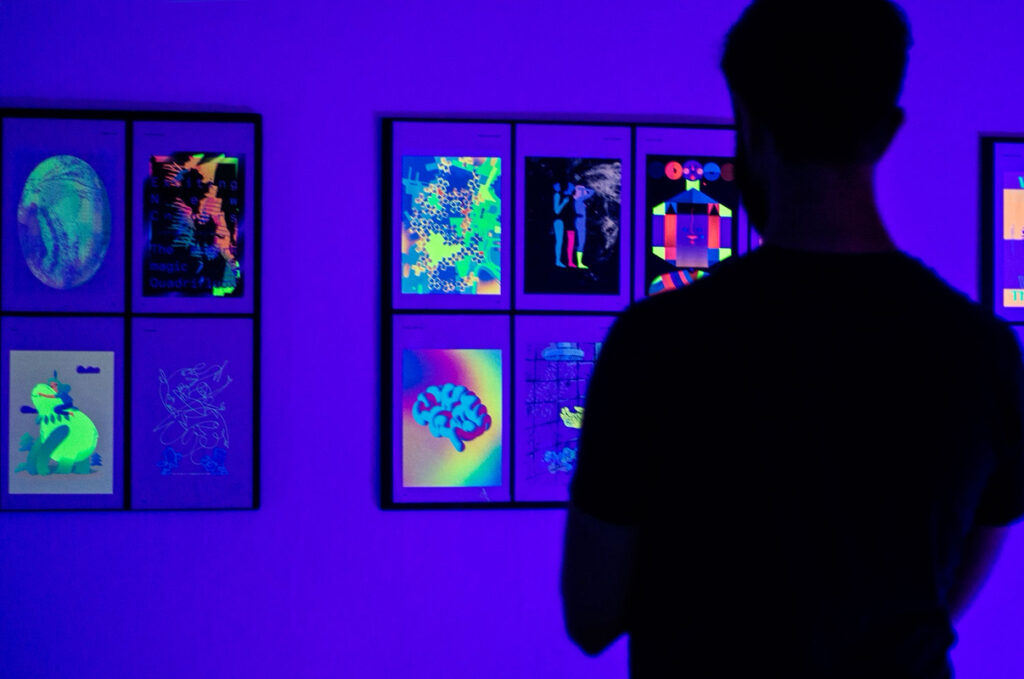
Cover photo: QUADRIFLOUX, Palazzo Pigorini
Parma is internationally known for its history, its cuisine, its theaters, and its historic palaces. But for the past ten years, through PARMA 360 Festival, it has also been working on its contemporary cultural dimension, regularly transforming into a diffused museum by reactivating key sites within its heritage. From April 18 to June 2, 2026, the new edition LUX. Visions of Light unfolds as a new itinerary moving through a series of remarkable and diverse spaces—from the Galleria San Ludovico to the 18th-century interiors of Palazzo Pigorini, up to the medieval Torrione Visconteo—extending across the city through interventions by national and international artists from different generations and contexts. Curators Chiara Canali and Camilla Mineo explain it in more detail.
What were the selection criteria for this edition?
It is based on an intergenerational and interdisciplinary dialogue, which has always been one of the defining elements of Parma 360. On one hand, historical figures such as Antonio Barrese and Michael Kenna represent continuity with practices that have reshaped the relationship between art, photography, and technology since the second half of the 20th century. On the other hand, exhibitions like Synthetic Horizons highlight a new generation of artists using artificial intelligence not only as a tool, but as a critical and imaginative space. The point of convergence is not generational but methodological: what connects these practices is an experimental attitude and a shared reflection on light as a field of inquiry. The aim is to create a dialogue, avoiding a linear reading and instead proposing an open system of relationships.
You define light as a “universal language” and a “living material.” How does this translate into the exhibitions?
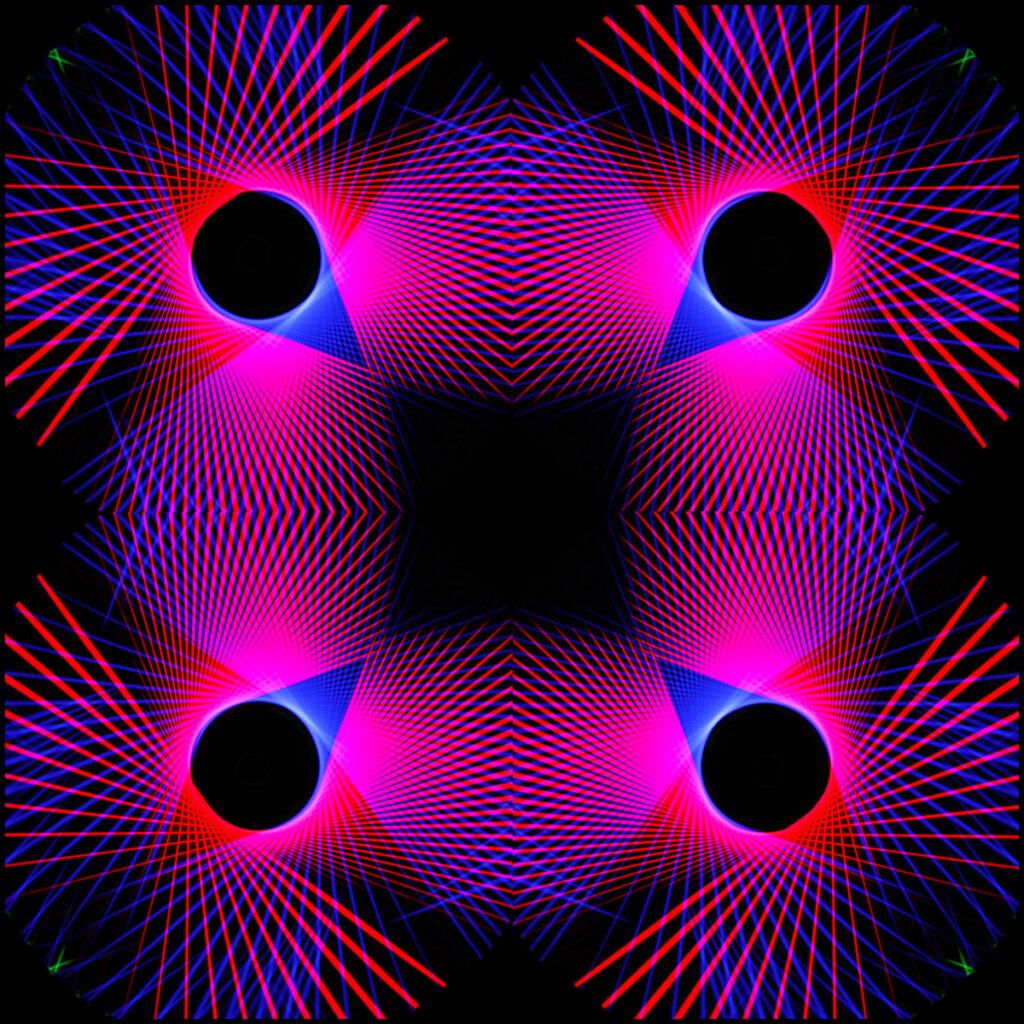
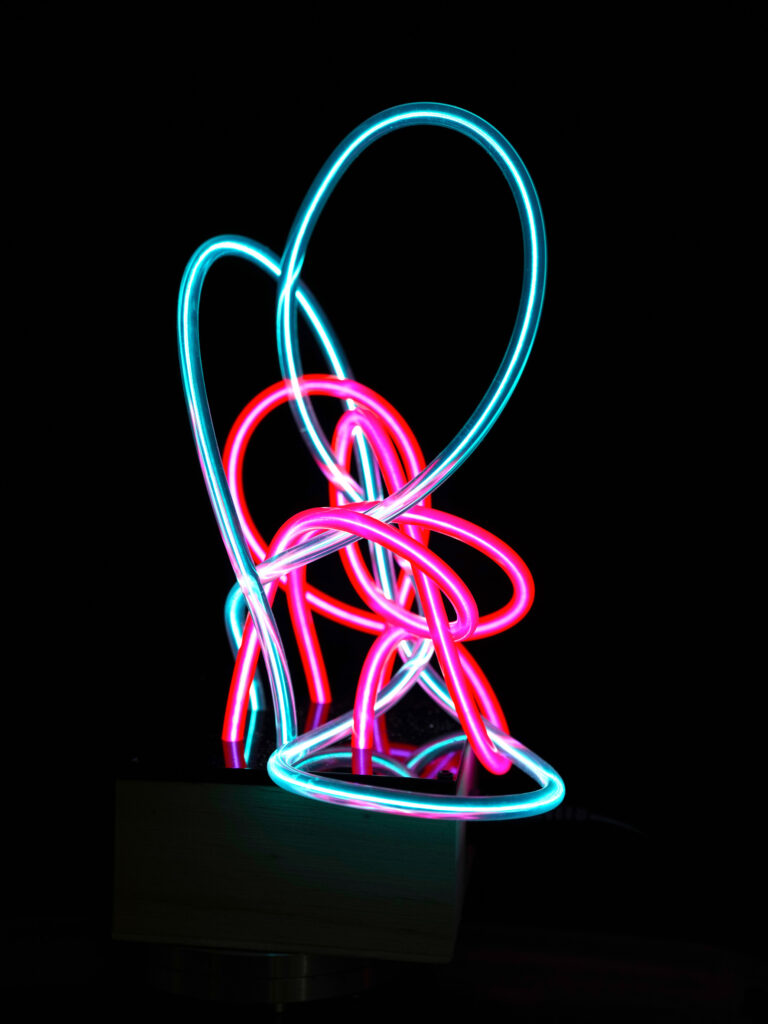
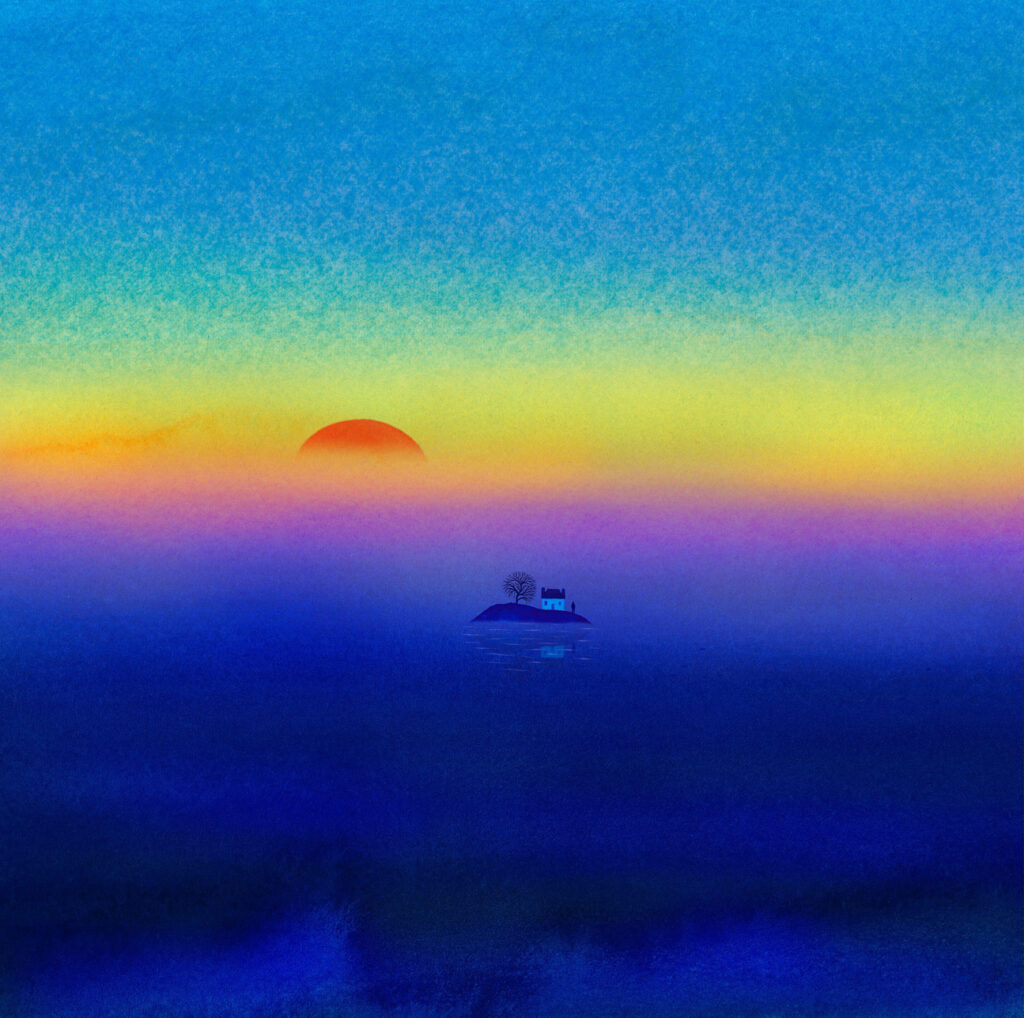
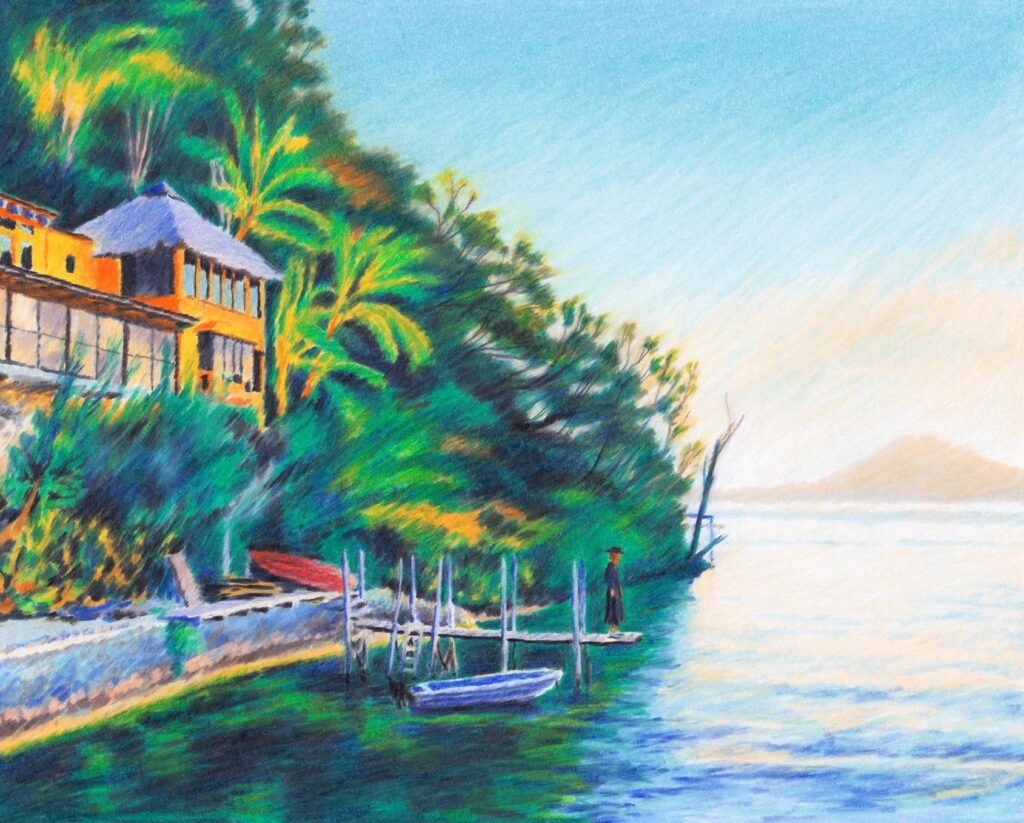
In Morphology Light by Antonio Barrese, light operates as a perceptual phenomenon capable of altering vision. In other contexts, such as Quadrifluox, it becomes a process, transforming the image through fluorescence and introducing a temporal and participatory dimension. In the photography of Michael Kenna, light becomes a form of writing—an instrument of subtraction and construction of the landscape. The dialogue also extends to contemporary illustration, with artists such as Jean Mallard, Clément Thoby, and Florian Pigé. Operationally, light acts as a transversal medium that connects perception, material, and imagination, activating a visual, cognitive, and sensory experience in the viewer.
Ten years of the festival, over 200 artists, 70 exhibitions. What’s new in this edition?
Rather than introducing something entirely new, this edition brings a process to maturity. After ten years, the festival has become more aware of its own identity: not just a series of exhibitions, but a format that connects languages, generations, and spaces. This year, we worked more radically on the theme, selecting artists who use light as a structural element and building a more coherent and legible path. At the same time, the diversity of media—painting, photography, installation, illustration, digital art—remains central, offering a truly 360-degree perspective on contemporary practice. The idea of a diffused museum is further reinforced, along with an experience that actively involves the public, no longer as spectators but as participants in the process.
You describe the audience as an “integral part” of the experience. What should visitors expect from this edition?
Immersive and interactive experiences, where the viewer actively engages with the work. This is the case with the kinetic works of Antonio Barrese, the immersive project Del Sublime, and Quadrifluox, where light is not only observed but experienced physically—reshaping the perception of space and image through Wood’s light. The audience is invited to step inside the work, to engage with it physically and sensorially. More than simply looking, it is about experiencing: it is in this shift that light returns to being a relational dimension, not just a visual one.