At Fuorisalone 2026, there was no shortage of lighting-related novelties. There were plenty of locations and exhibitions for those interested in lighting, but above all, a strong presence of new products from brands.
In what has effectively become Milan’s “lighting district”, around Corso Monforte, leading companies presented catalog expansions and new designer pieces, keeping attention on the sector despite the absence of Euroluce.
Opening the selection is the floor version of Nocturne, designed by Konstantin Grcic for Flos. The structure is made of extruded aluminum, while the lightweight lamp bodies are crafted from transparent blown borosilicate glass. They incorporate two LED sources: a high-performance primary light (focused or diffused) and an ambient light that illuminates the glass body itself, giving the transparent material an almost ethereal glow.
Iperbole by Artemide
Designed by BIG for Artemide, this suspension combines formal research with a strong environmental approach. The shade is made of thin, fully recyclable spun aluminium and is shaped like a hyperbolic curve obtained by cutting a cone.
Umasi by Davide Groppi
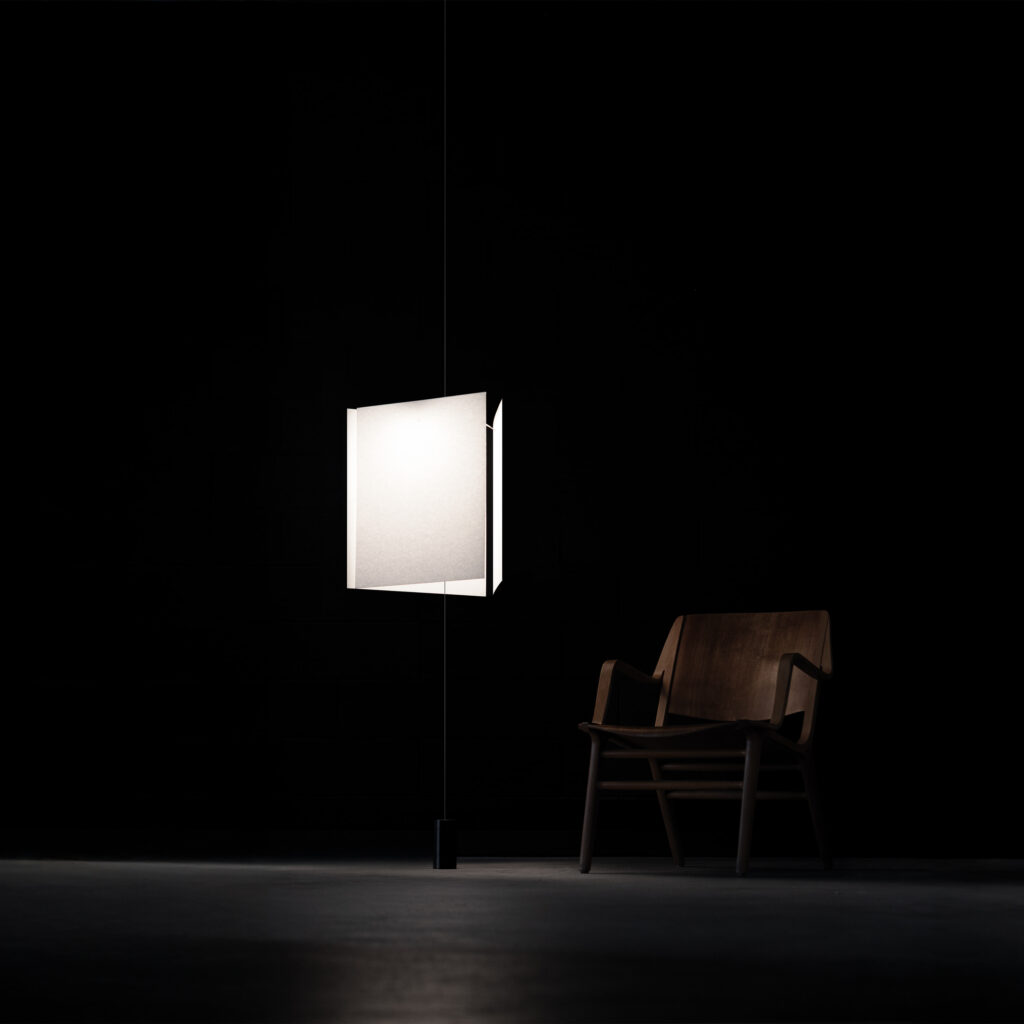
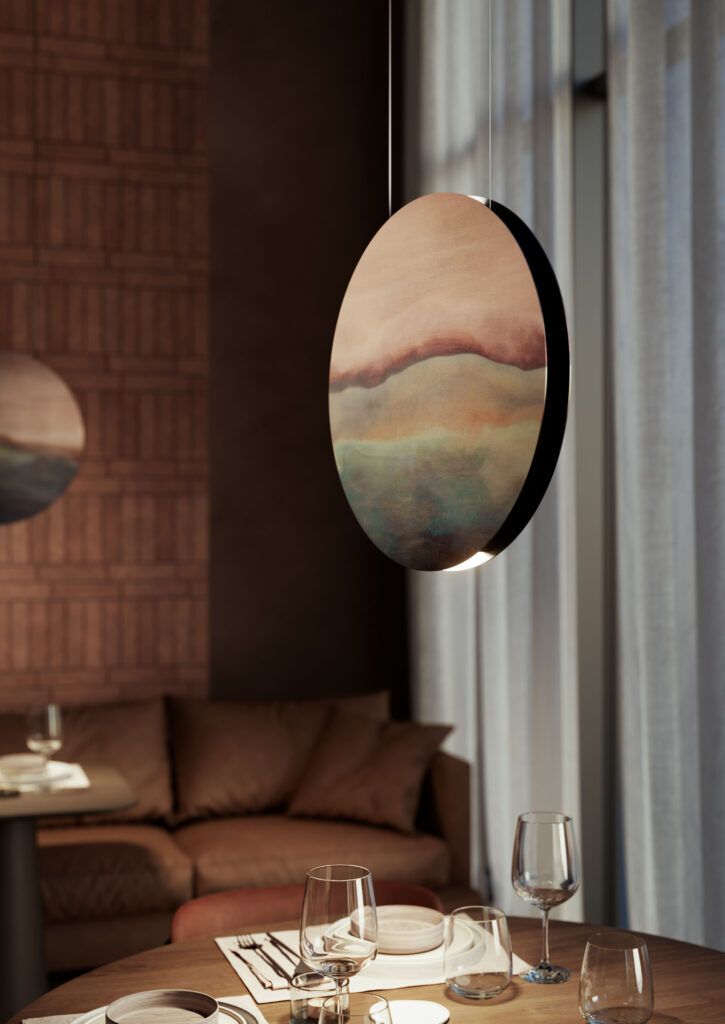
Like all of Davide Groppi’s creations, Umasi carries a poetic dimension. This lamp is both a floor lamp and a suspension lamp. It has a PETG shade covered in paper that slides along the cable, from ceiling to floor.
Flamingo by Nemo
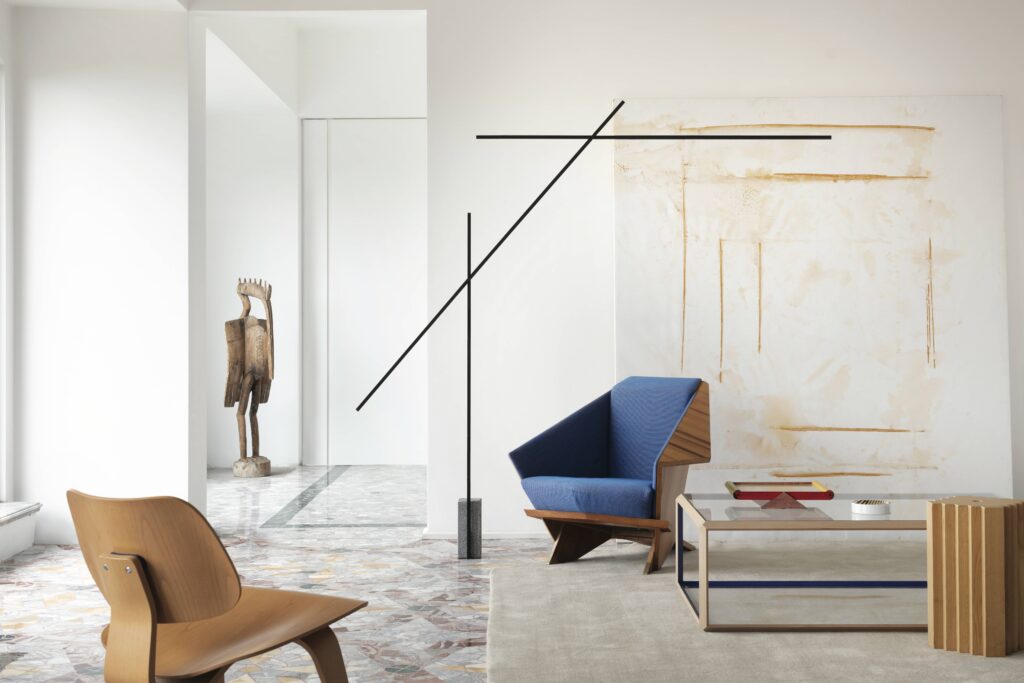
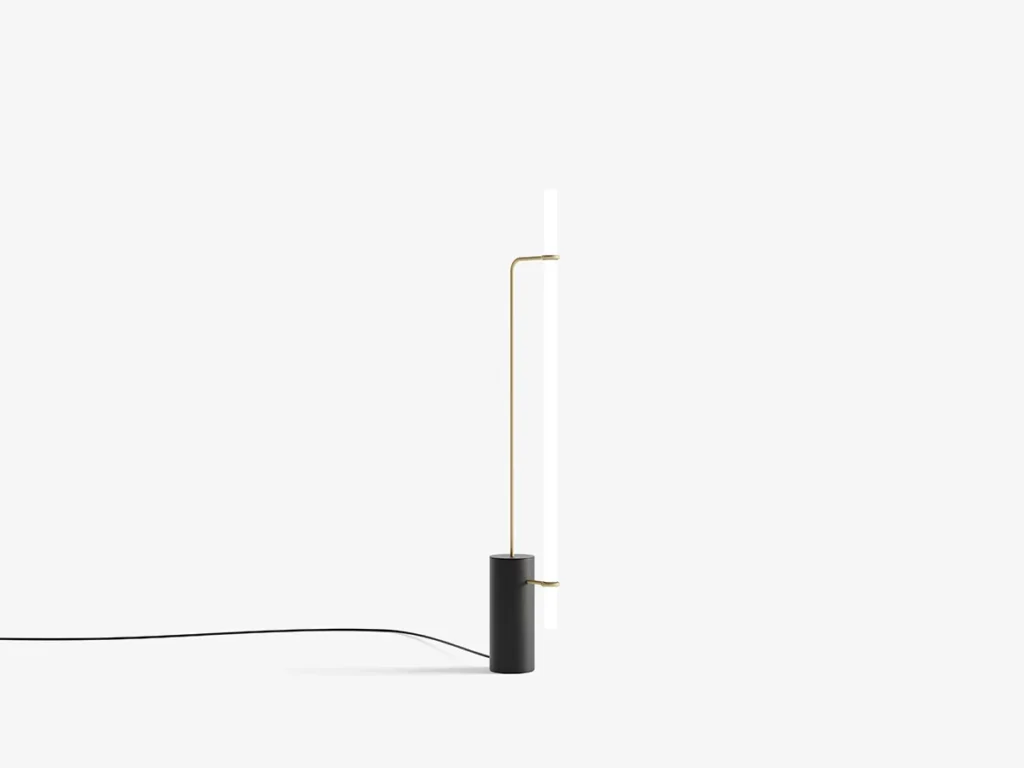
As slender as the bird it’s named after, this new aluminum floor lamp by Bernhard Osann for Nemo is a feat of engineering. It features a mechanism based on weight distribution around a central pivot, allowing it to move fluidly with a simple touch and self-balance without friction, ensuring maximum stability. The integrated UGR LED system provides both functional and decorative lighting, while the adjustable diffuser allows for either precise or softer light effects.
DoubleZero7 by Lodes
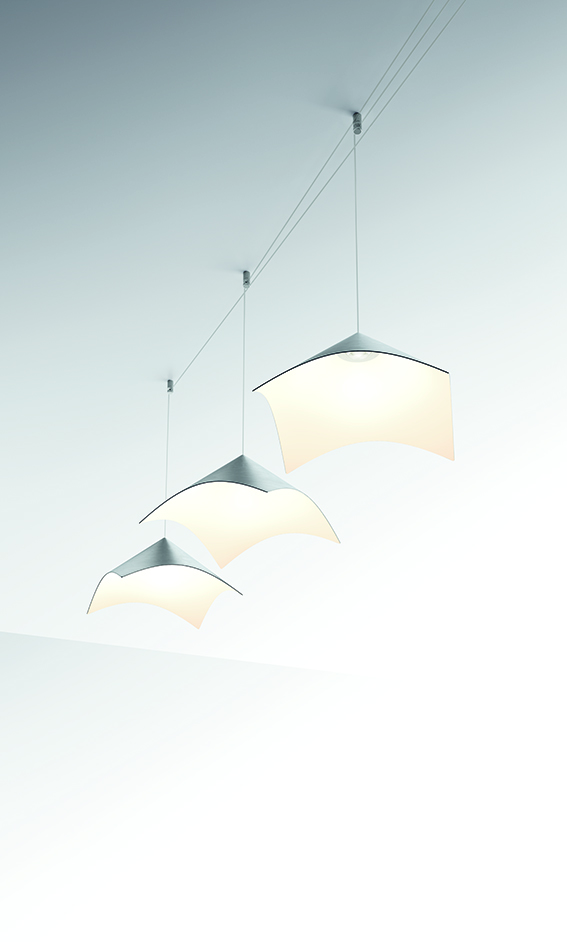
Lodes has introduced an open, reconfigurable track system that is designed to host dedicated architectural lighting modules. Thanks to a special cluster clip, it remains compatible with all suspension lamps in its catalogue. The 48V electrified track, available in recessed and surface-mounted versions, allows for continuous lines, curved angles, or 90-degree paths across ceilings and walls.
Torche by Foscarini
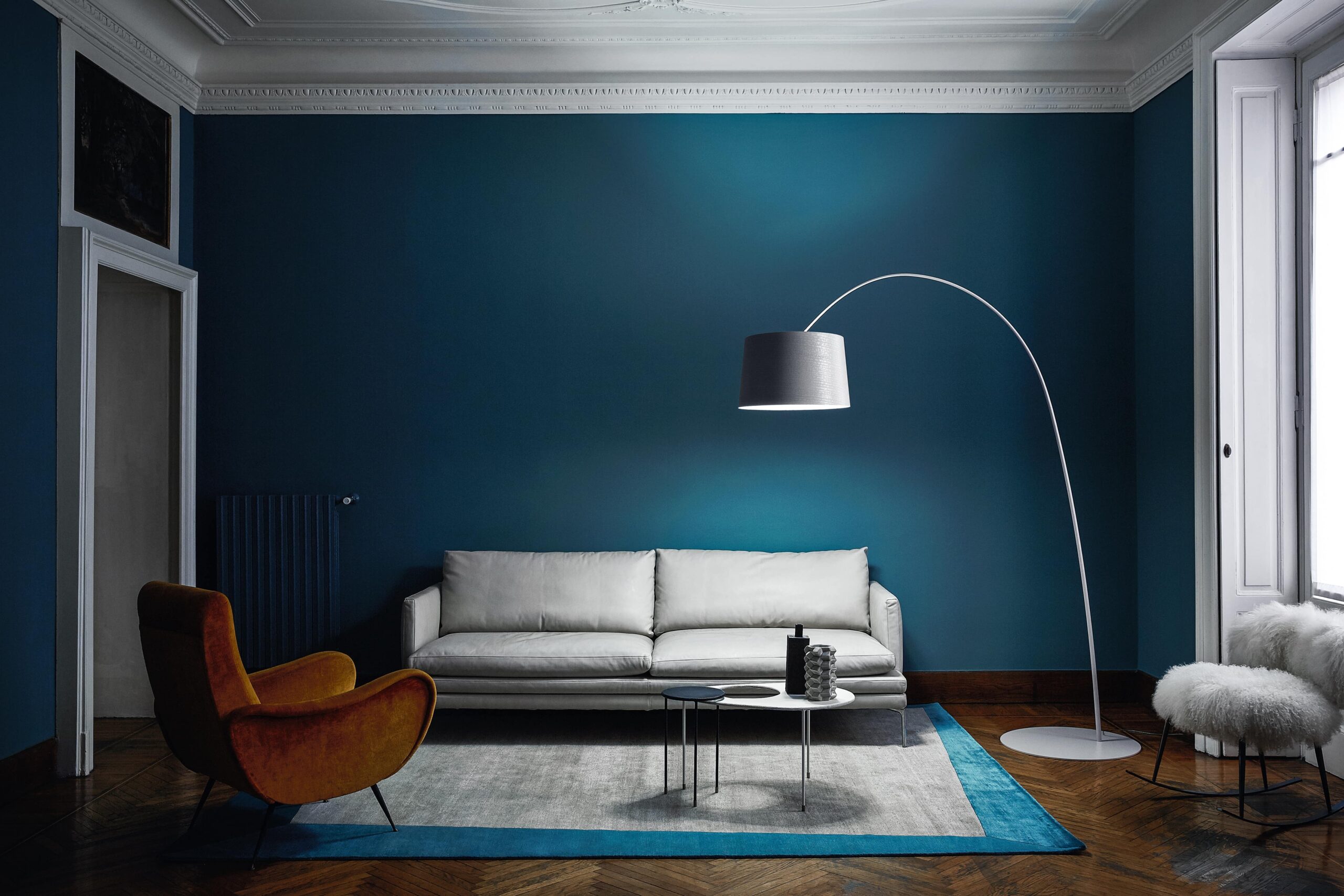
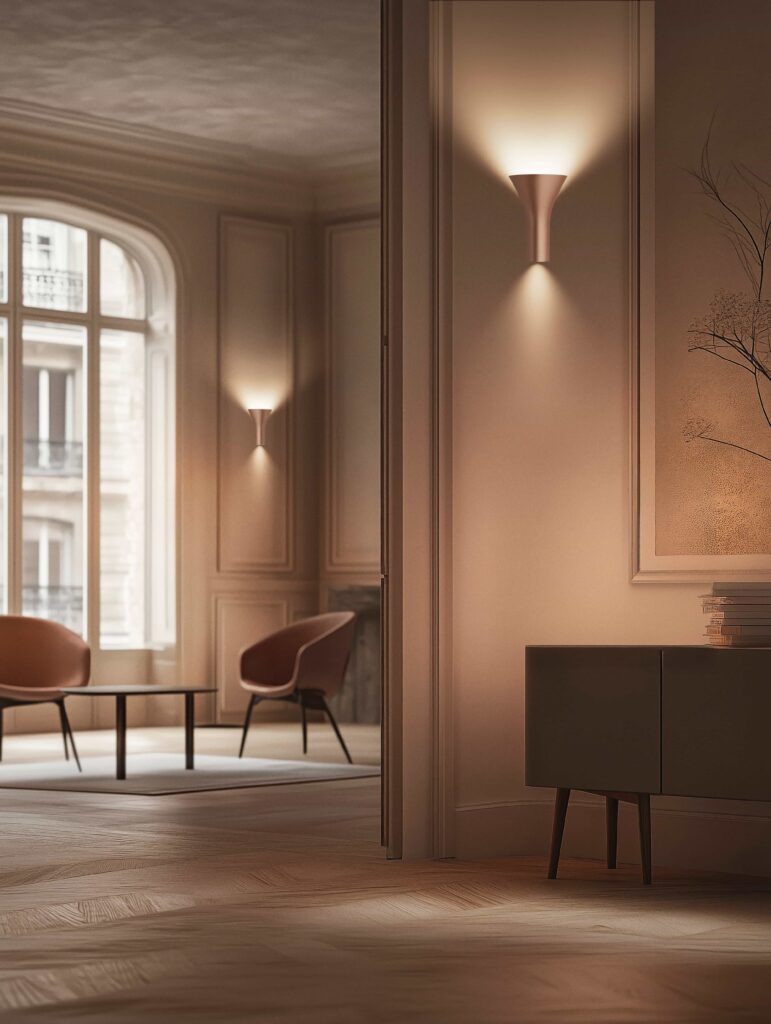
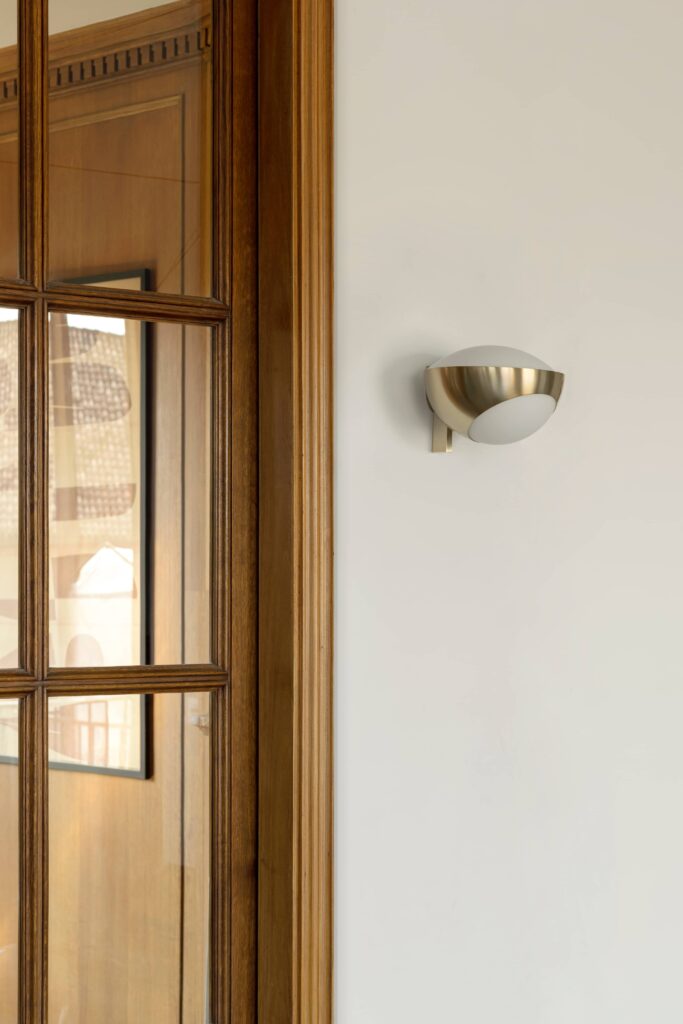
Dordoni Studio revisits the archetype of the torch, transforming it into a contemporary wall lamp for Foscarini, featuring dual light emission and independent switching. Made of aluminum, it is also available in a copper finish.
Antesia by Masiero
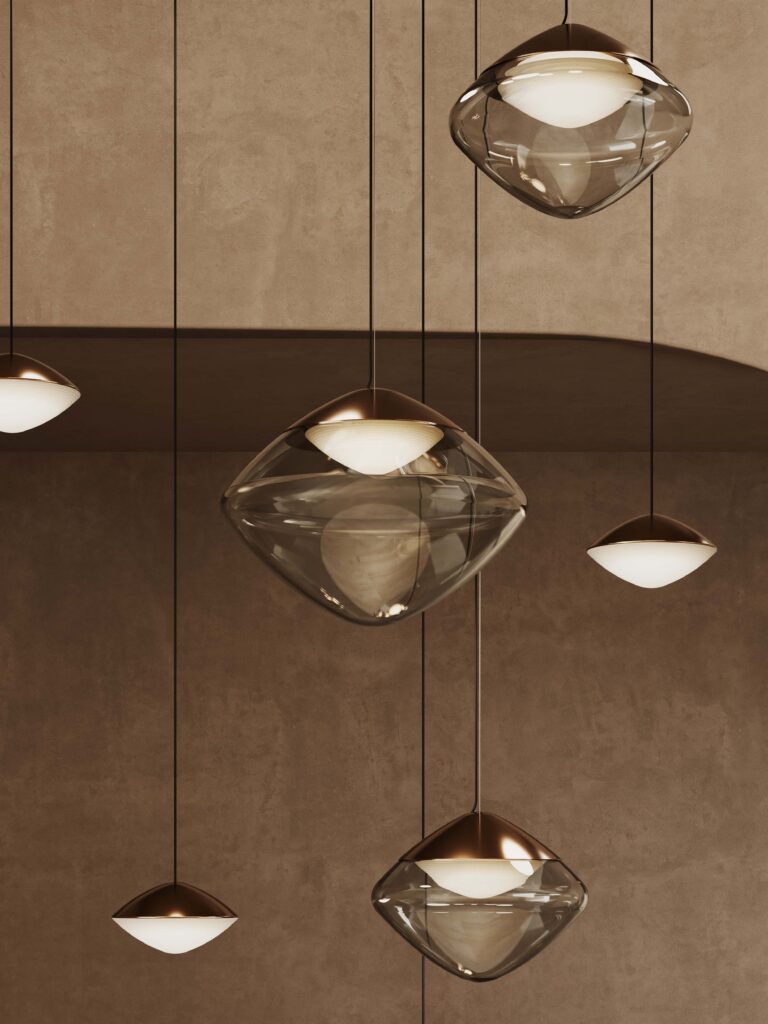
The blown glass suspensions by Stella Gianola and Giovanni Battista Gianola for Masiero are inspired by the “pea”—the mass of molten glass gathered on the blowpipe before shaping. Available in four variations, differing in size and subtle form, they come in clear crystal, light amber, and smoky finishes, all transparent.
1963 by FontanaArte
Some FontanaArte lamps are deeply embedded in the history of Italian design, while others, like the 1963 model, have been forgotten. The brand reintroduces it for Fuorisalone 2026, also clarifying its origin: long attributed to Max Ingrand, archival research revealed it was actually designed by the in-house design team.
Profilo by Barovier&Toso
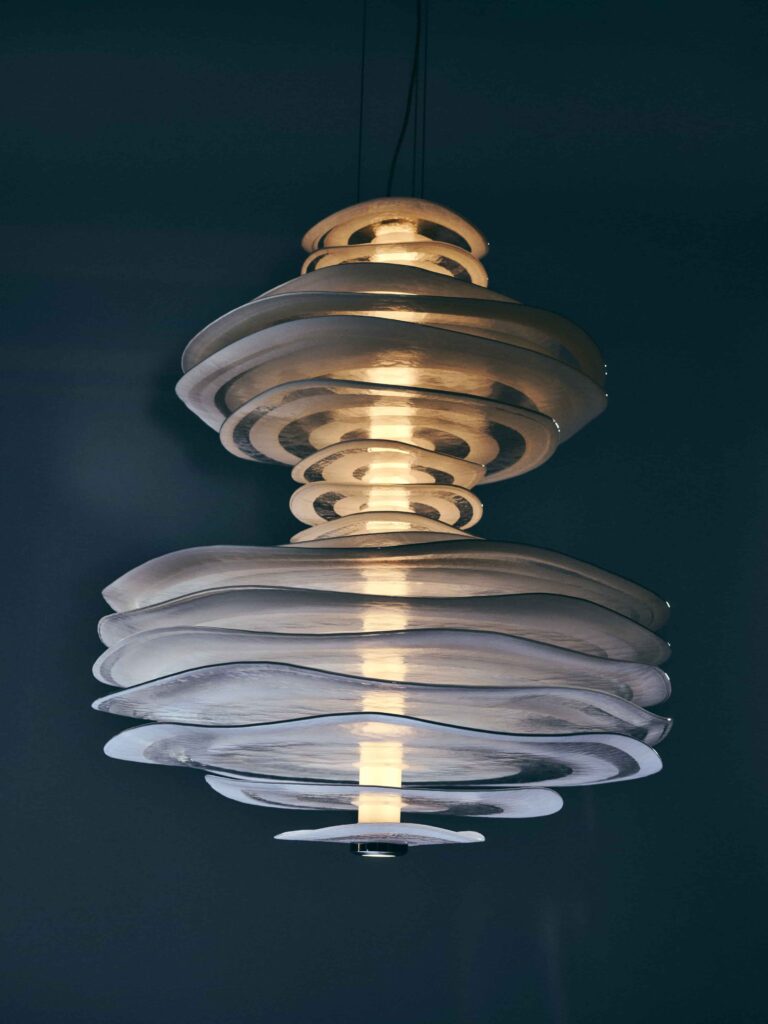
For Milan Design Week 2026, Barovier&Toso presents 2026 Chapter 1, the first step in a comprehensive brand renewal led by CEO Andrea Signoroni and art director Luca Nichetto. Among the pieces, Profilo by Nichetto stands out: a suspension composed of overlapping glass discs made using centrifugal glass techniques, defined by material depth, subtle vibrations, and slight organic variations.
Lopsi by Luceplan
Playful and lightweight, Umut Yamac’s proposal for Luceplan features a chandelier composed of a “crown of metal lollipops” that amplifies the light when turned on. Each element gently oscillates, reacting dynamically to small air movements in an unexpected way.