
Cover photo: Le cose non dette. Courtesy of 01 Distribution
In Gabriele Muccino’s melodramas—and in his films more generally—the cinematography functions like a thermometer that records the characters’ fever. It registers spikes in temperature even before the screenplay puts them into words.
His Italian films are bathed in a warm, deliberately gritty light—at times overexposed—as if to signal emotions so overwhelming that no formal rigor could contain them. With the move to American cinema, that fever doesn’t break but grows more disciplined, warming up in step with the protagonist’s fortunes. Finally, in Le cose non dette, the blinding atmosphere of Tangier shifts from exotic backdrop to the visual embodiment of each character’s inner temperature.
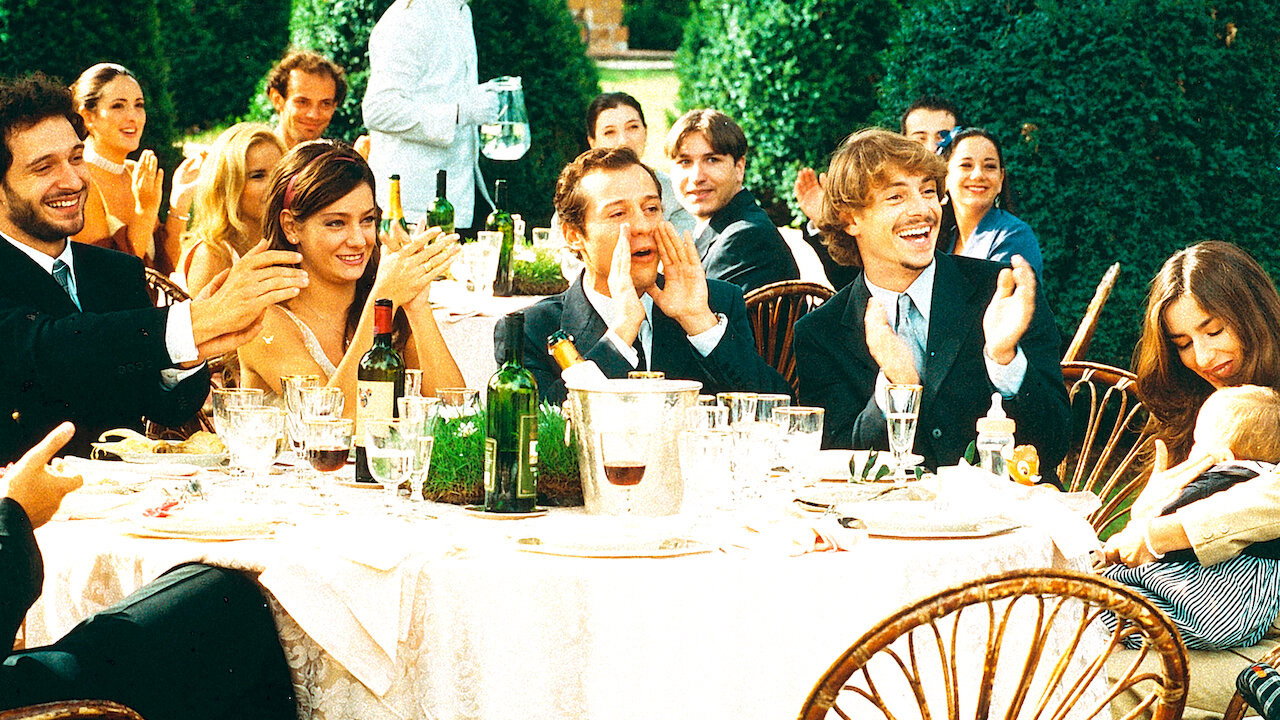
From Come te nessuno mai to A casa tutti bene: the feverish light of Muccino’s films
In the films that established Muccino’s reputation in the 2000s, Marcello Montarsi’s lighting accompanies the chaotic and furious escalations of the protagonists in these turbulent stories—women and men perpetually torn between reality and desire. In L’ultimo bacio (as in its sequel Baciami ancora, with a few variations), frenetic camera movements sweep through settings that attempt to mimic reality, as if the story were a universal mirror of the human soul. Neutral light filtering through the window, golden glimmers from table lamps in interiors, weddings celebrated on sunny days that look flat rather than golden, as we might dream them. Montarsi thus constructs a realistic universe through a carefully calibrated neutrality.

In Ricordati di me, Montarsi further lowers the temperature. His bourgeois Rome loses its warmth, shifting toward the cold tones of early-millennium mainstream TV aesthetics, to depict the erosion of a family—and perhaps even of the younger generations. Going back to Come te nessuno mai—the debut of Muccino’s adolescent poetics—Arnaldo Catinari’s cinematography is still raw, less constructed, and almost documentary-like: in his world set between school and Roman apartment buildings, the pale afternoons accompany the discovery of first love without the theatricality (and melodrama) of his later films.
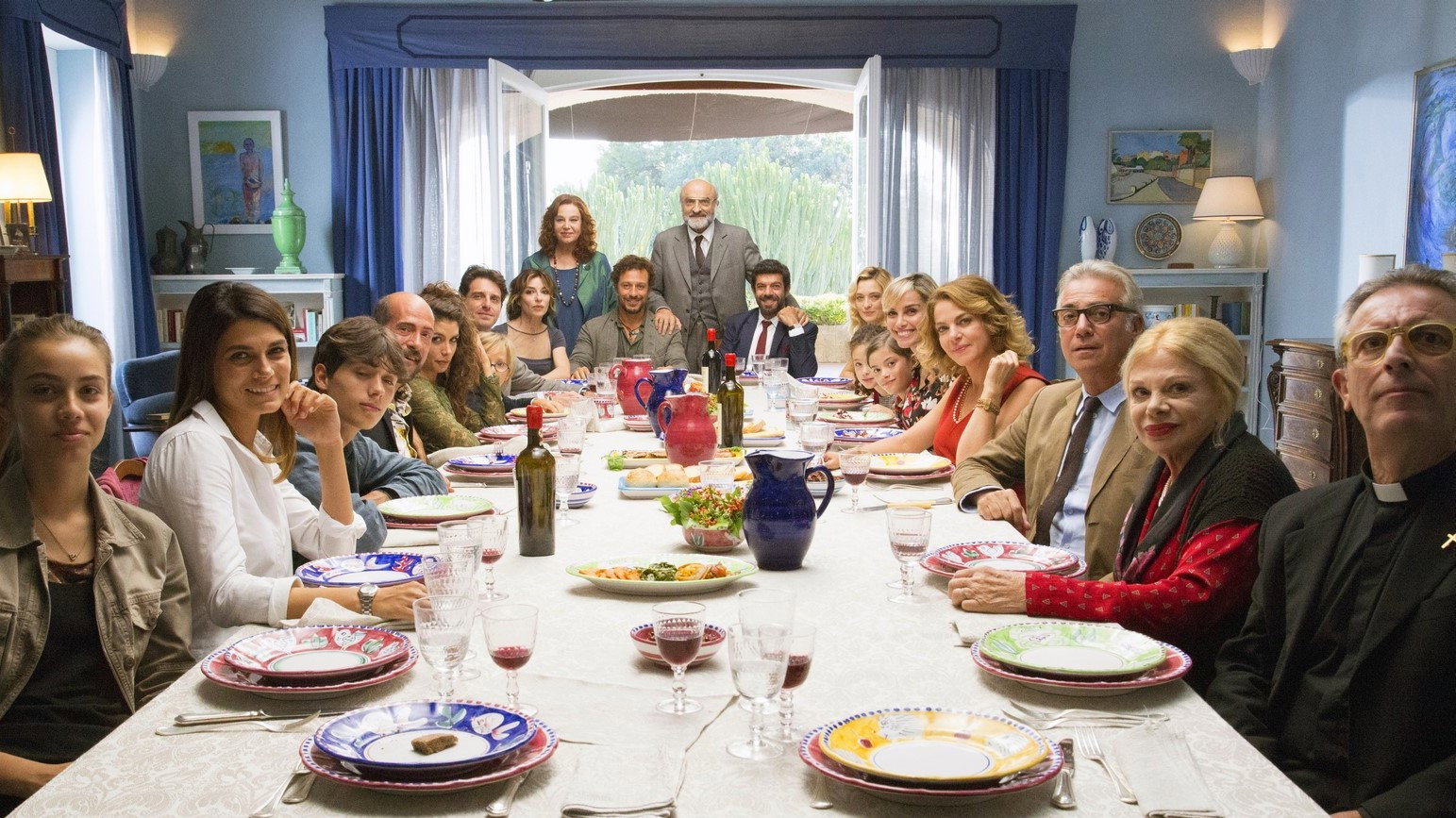
In A casa tutti bene as well, the cinematography accompanies the blowup of family relationships. The island’s Mediterranean luminosity—seemingly welcoming and glossy—ends up illuminating the grudges rather than hiding them behind the relaxed atmosphere of vacation. The more the light opens up the space, the more the characters seem to have no escape.
The Pursuit of Happyness: in American cinema, light becomes more controlled
With The Pursuit of Happyness, his first American film, shot by Phedon Papamichael, Muccino manages to rein in excess: the light in San Francisco is gray and metallic in the first part, gradually giving way to warmer tones as Chris Gardner climbs the social ladder, culminating in the near-paroxysmal brightness of the final sequence.
During his American period, therefore, a principle already present in his Italian films remains intact: light acts as a seismograph, capable of recording every emotional fluctuation, sensitive to many kinds of vibes, yet shaped into a more linear and less hysterical arc—perhaps more confident in the possibility of redemption as embodied by the American Dream.

Le cose non dette: a different light temperature for each character
The cinematography of Le cose non dette, set in Tangier, brings the tension between the characters to the surface before it explodes, foreshadowing what the dialogue has yet to reveal. Fabio Zamarion, trained at Vittorio Storaro’s school, brings to the film that same concept of cinematography as thought: not a neutral lighting of the Moroccan location, but distinct visual temperatures—one for each of the protagonists—capable of translating their emotions, conflicts, and hidden corners onto the screen.
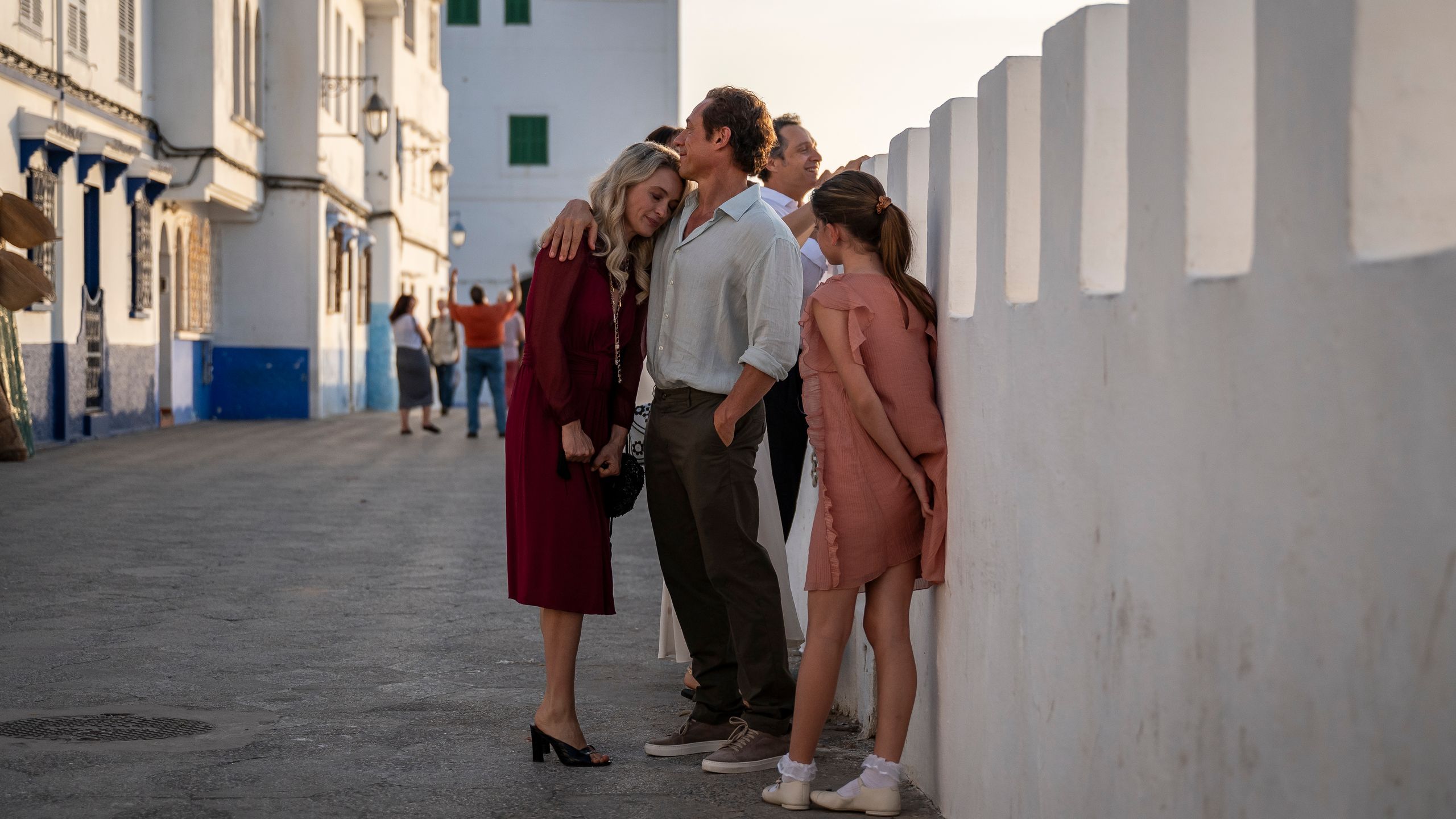
On Carlo (Stefano Accorsi), the light is diffused and unfocused, like an afternoon glow that never lingers on a single point—consistent with his relaxed existentialism and his ability to glide between desires and responsibilities without anything truly touching him. On Anna (Carolina Crescentini), by contrast, the camera opts for harder cuts of light—windows and openings that trace stark geometries across her face, a backlighting that isolates her from the others. The result is a rigor rendered in light, revealing the tension of someone who allows herself no moral gray areas while everything around her crumbles. The warmest part of the palette is reserved for Elisa (Miriam Leone): skin illuminated at an angle, amber reflections drawn from the walls of Tangier, a photographic softness that deliberately clashes with the harshness of what she is about to discover. Hers is the most “Italian” light in the film, one that still evokes L’ultimo bacio.
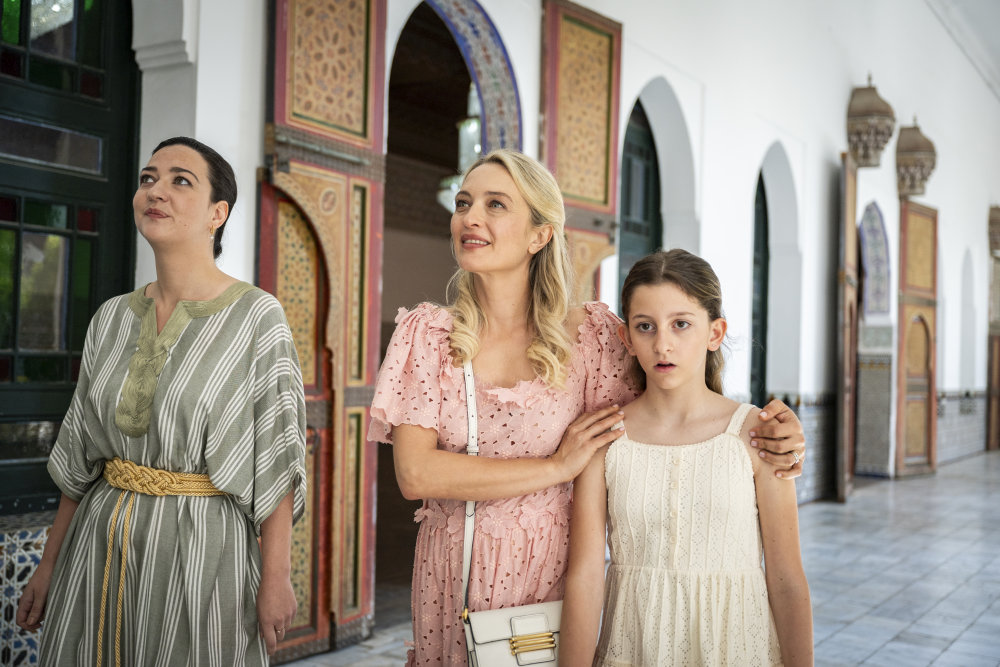
As for Paolo (Claudio Santamaria), the light never takes a clear path: it remains slightly underexposed, as if the camera itself were hesitating to define him just as much as he hesitates to make a choice. No backlighting to isolate him, no warmth to envelop him: the light simply washes over him without ever defining him, reflecting a man who endures events rather than navigating them. It is, in a way, the cinematography of procrastination—neutral and noncommittal. Vittoria, the 13-year-old played by Margherita Pantaleo, receives the opposite treatment: cooler tones, washed-out blues, a flat late-afternoon light that keeps her on the edge of the frame even when she’s at the center of the scene. Her coldness—a flashforward to the controversial ending—goes beyond the young actress’s performance: it’s written into the DNA of her color temperature.
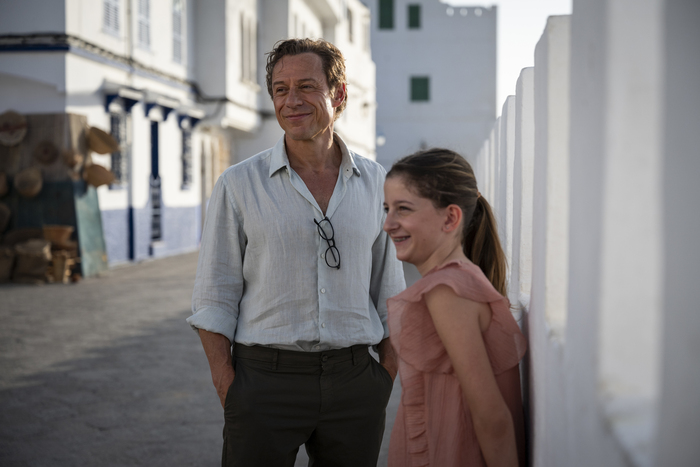
If Muccino’s cinema is, at its core, a neorealism of emotion—where anger, fear, attraction, resentment, and nostalgia form the heart of the story—then light can only serve its dynamics, relinquishing its aesthetic autonomy. Instead of composing tableaux, it follows each character like a shadow, adhering step by step to their dramatic evolution.
From Montarsi to Zamarion, via Papamichael, the photographic gaze changes, but the pact does not: light exists to translate into images what the bodies and voices in Muccino’s films continue to scream on screen all by themselves.