
Cover: David (gilded bronze model), Jago, 2024. Photo by promd.studio
With the opening of the Jago Museum Capri at Villa Lysis, the sculptor’s museum project adds a new chapter to the journey that began in Naples at the Church of Sant’Aspreno ai Crociferi. The new venue introduces a unique exhibition setting, where the works must contend with the historic architecture and the strong presence of natural light that characterizes the Capri landscape.
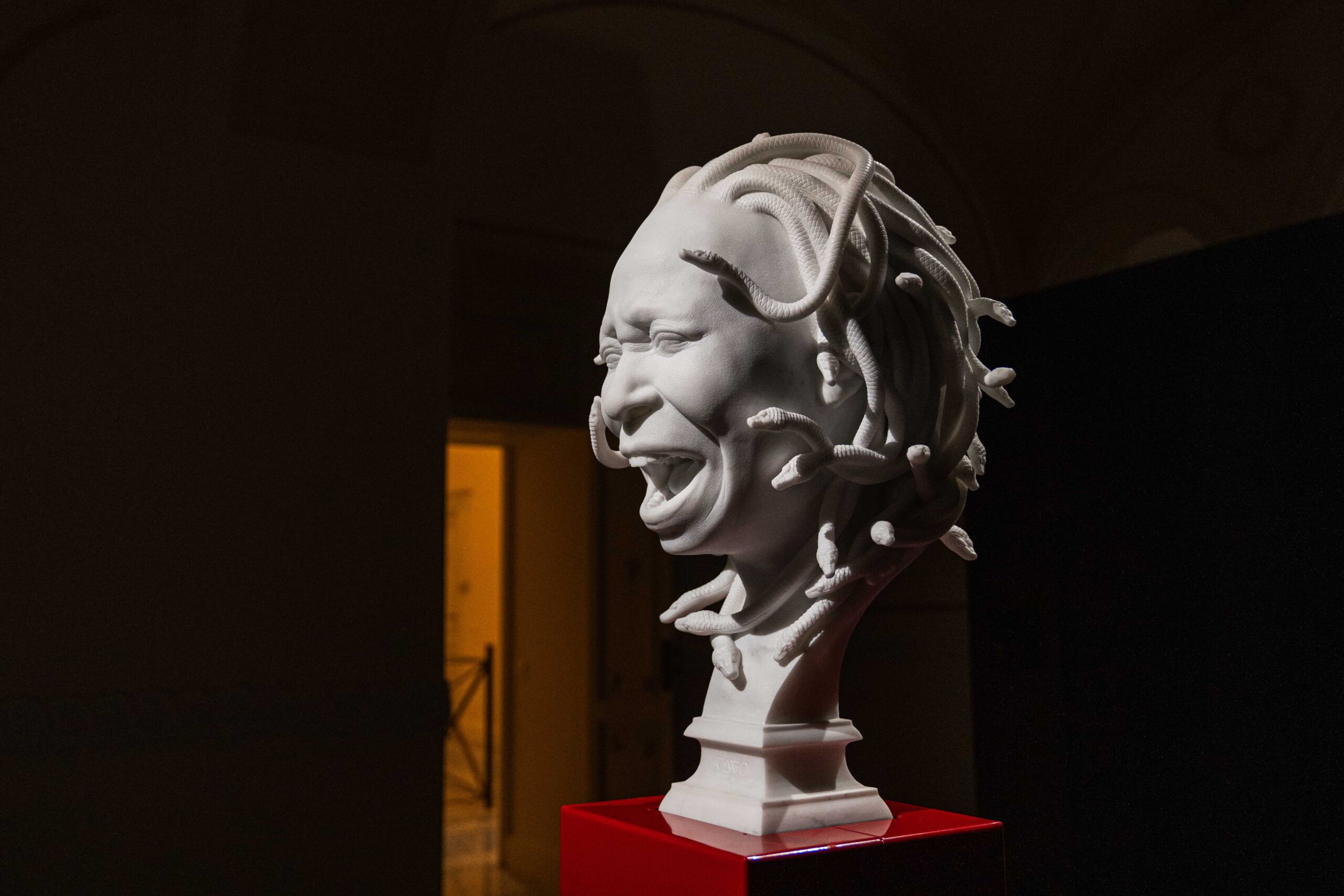
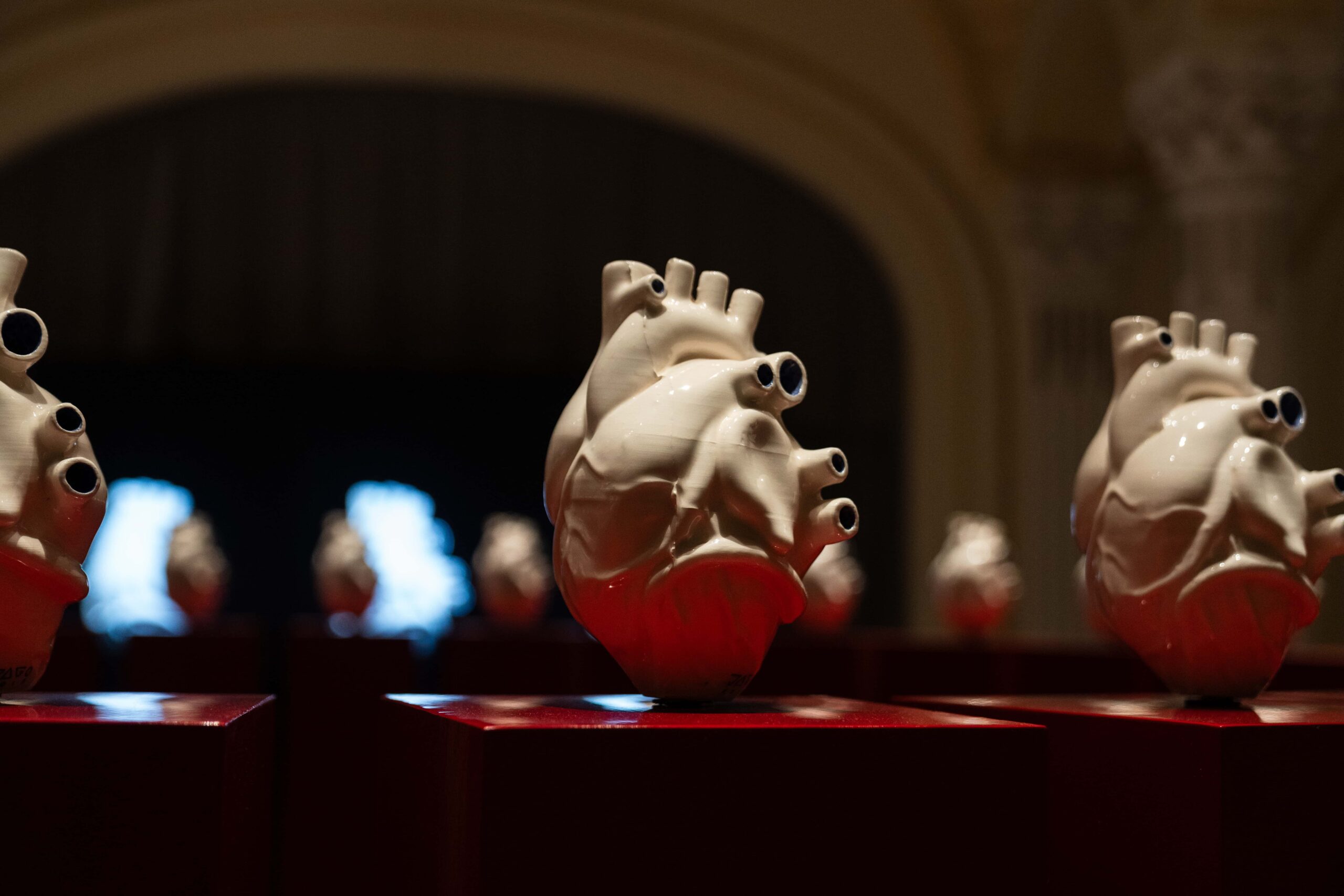
In a project dedicated to sculpture, lighting does more than simply put the work on display. Light, in fact, contributes to defining volumes, enhancing the legibility of surfaces, and shaping the perception of the details that characterize the work. In the case of Jago’s sculptures, where the treatment of material and surface plays a central role, lighting choices become an integral part of the visitor experience.
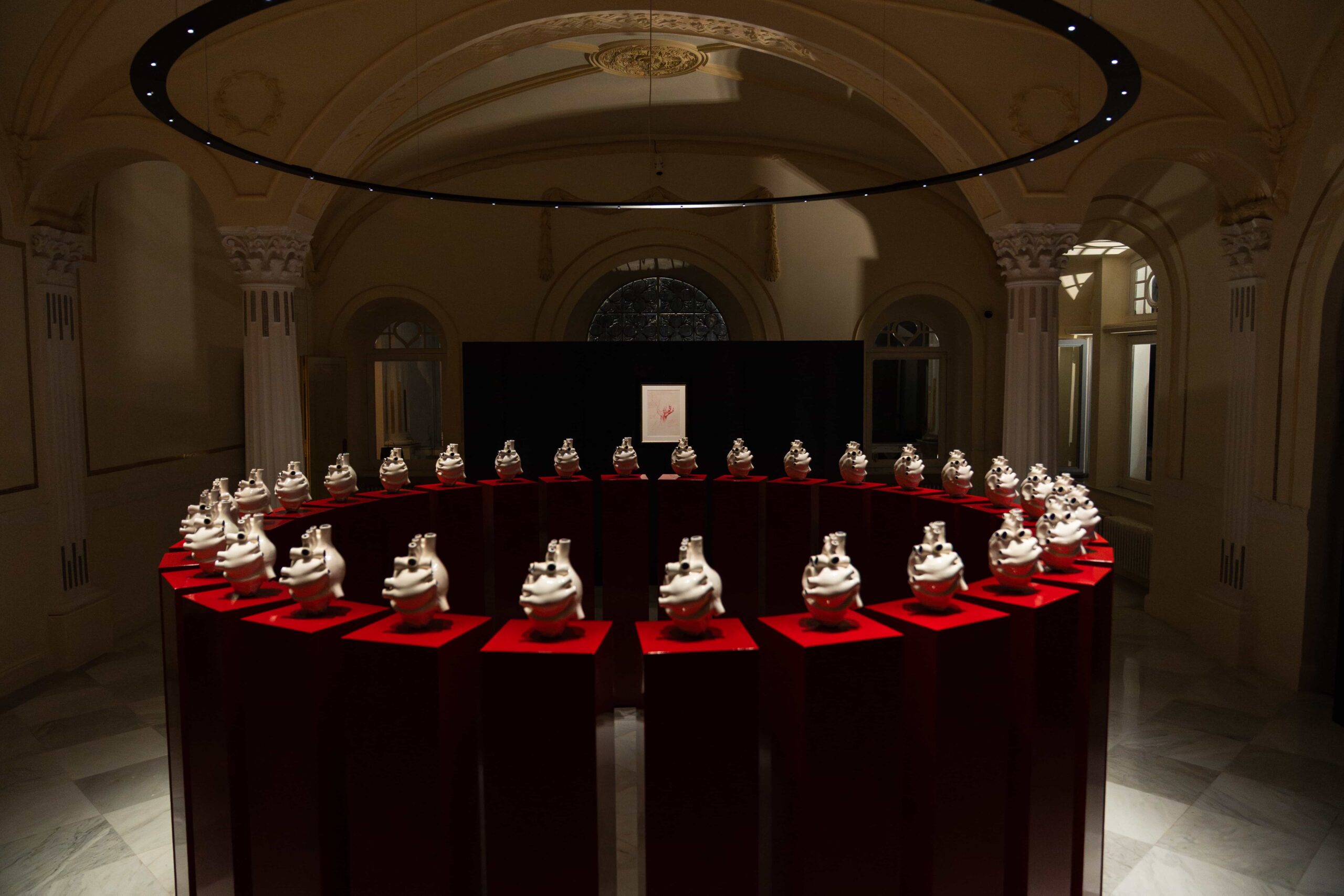
Lighting that enhances space, artworks, and the visitor experience
The project developed by Light Company, through the work of Fulvio Baldeschi and Gloria Tirabasso, stems from the search for this balance between highlighting the artworks and respecting the historical context. Guglielmo Baldeschi of the Florence-based studio walks us through the design choices, describing Villa Lysis as a place where every intervention must engage with a deeply layered history. “Villa Lysis is a cultural site with an important and layered history; the Jago Museum is its latest chapter. The lighting design had to meet the needs of the exhibition while respecting the past of these spaces.” The project was developed by prioritizing, wherever possible, the use of existing lighting points and minimizing the impact of the fixtures on the architecture. The goal was to create a system that would support the viewing of the works without altering the character of the spaces.
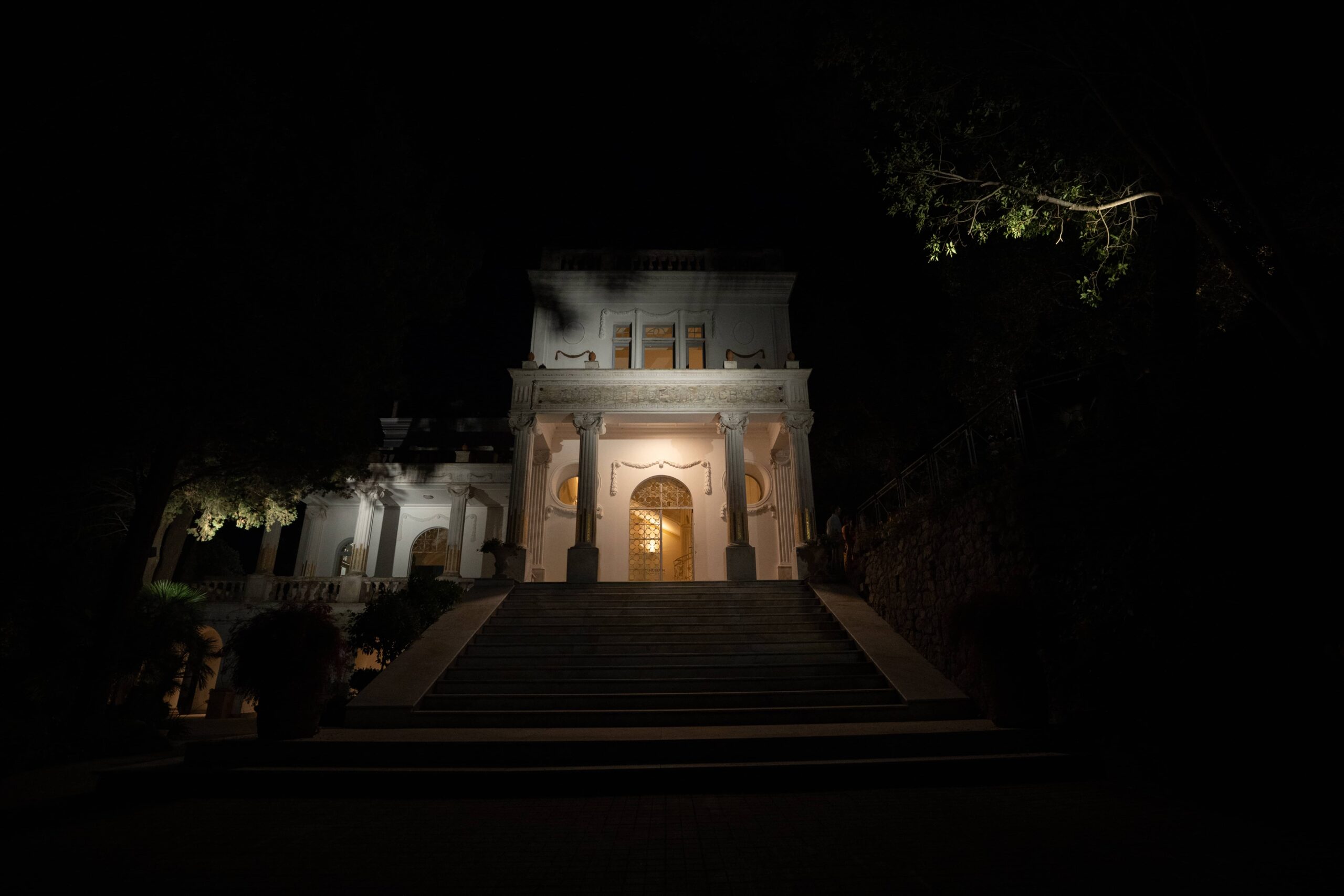
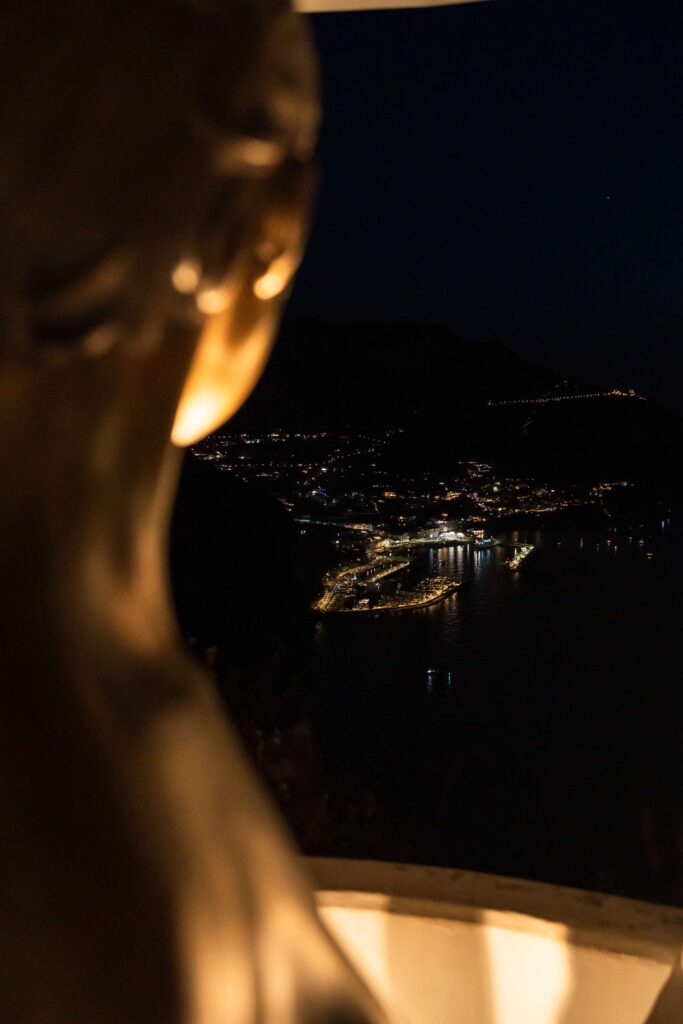
The same approach was adopted in the outdoor spaces, where the project had to take into account the park and the views of the gulf. In this case, the shaded areas were not eliminated but integrated into the lighting design as part of the visitor experience.
4000 K Lighting
While the relationship with the site is an important component of the project, the real test remains the sculpture itself. “Jago’s sculptures feature an incredible level of detail in the definition of their sculptural surfaces,” explains Baldeschi. “To highlight this characteristic, the lighting can’t leave overly pronounced shadows; yet that risks flattening the work’s plasticity.”
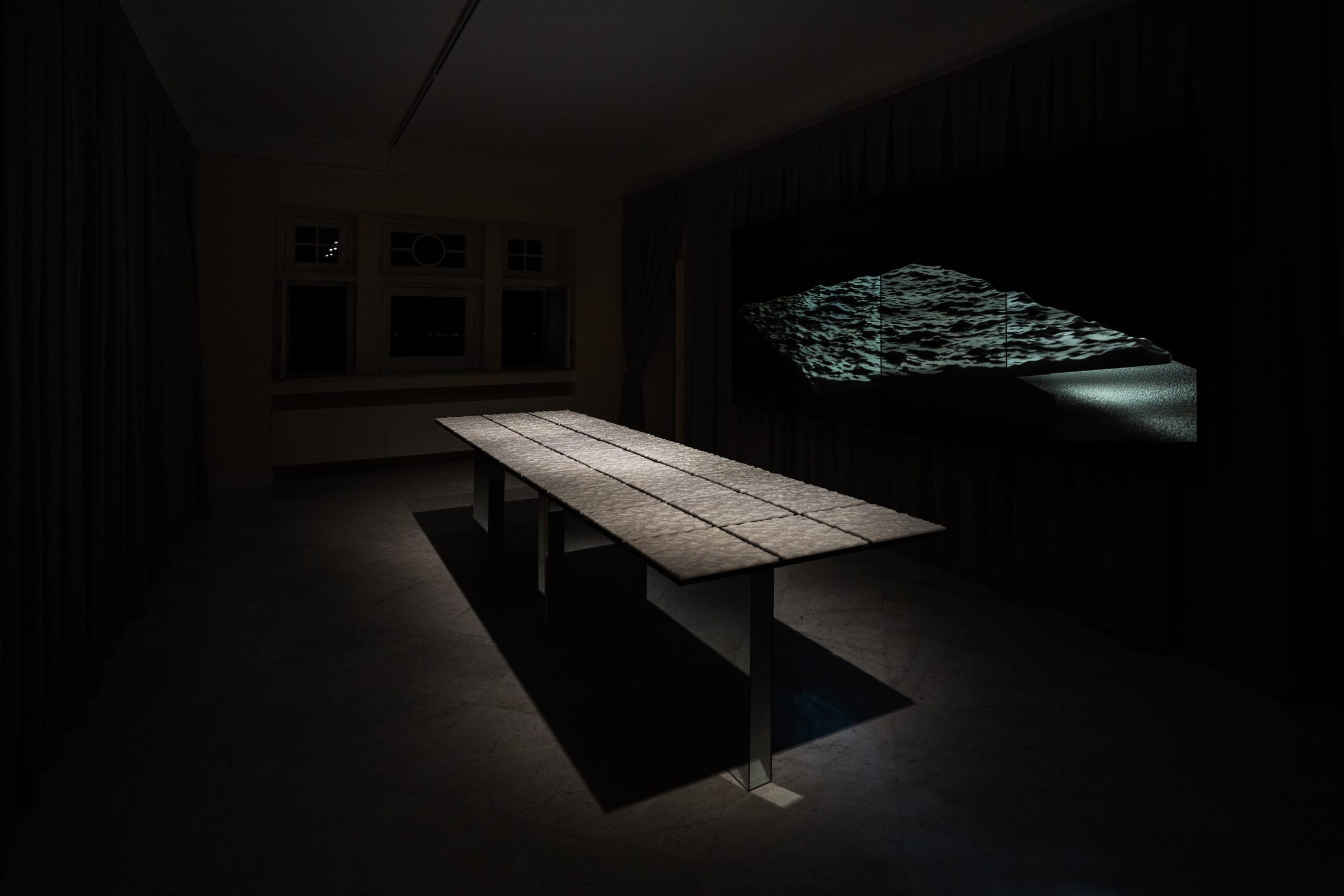
The solution adopted therefore varies depending on the characteristics of each individual piece. “The works must have uniform lighting but also contrasts,” continues Baldeschi. “To achieve this, we sometimes use two light sources of different intensities, and at other times framing projectors or more creative solutions.” Alongside light distribution, color temperature plays a key role. In the case of the white statuary marble used by Jago, the choice of this parameter directly affects the perception of the surface and its material characteristics. “White marble is a stone that is enhanced by cool light, which is why Jago prefers midday light for sculpting,” explains Baldeschi. “For all of Jago’s works that we’ve illuminated over the years, we’ve chosen 4000 K, because it’s the color temperature that, in our opinion, best brings out the luster of white statuary marble.”
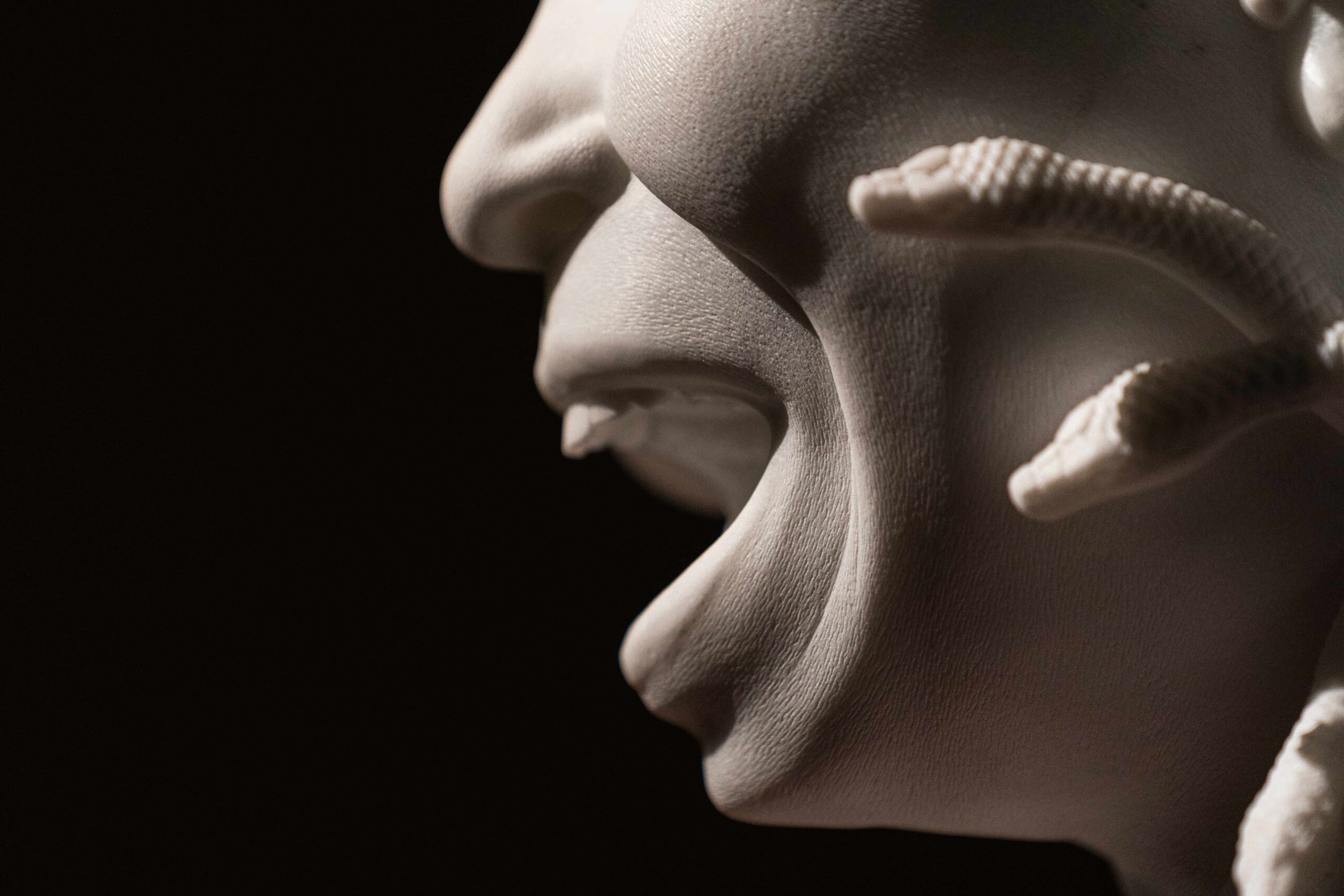
Shadows represent another key design element. They are not viewed as a mere consequence of the lighting but as a tool to guide the viewer’s interpretation of the work and convey its formal complexity. “This aspect is fundamental when working with sculptures, and even more so in Jago’s case because he has a very clear idea of the result he intends to achieve. Our job with him is always to translate his vision into practical terms.”
The collaboration between the artist and Light Company has grown through various projects carried out over the years, from Naples to Palermo and on to the project in Capri. In some cases, the lighting is designed to highlight the sculpture’s face or gaze; in others, to emphasize specific details or particular compositional tensions. Each work requires a dedicated calibration process and a testing phase that often continues even during installation. “Whenever possible, we always try to leave some leeway to adjust the aiming on-site, because planning on paper isn’t always enough,” notes Baldeschi. “At Villa Lysis, we knew we had to predict the final effect with great precision, because the margin for adjustment was narrower.” The Casambi Bluetooth platform was adopted to manage the system, with two dedicated scenes—daytime and evening—designed to balance the contribution of artificial light with variations in natural light.
The dialogue between artist and lighting designer
The dialogue with the artist is a fundamental component of this process. While for the lighting designer, lighting serves as a tool for interpreting the artwork, for Jago it is an essential part of the sculptural work itself. “In a museum setting, light has a total impact on the final result and the interpretation of the artwork, because it allows you to control the artwork’s meaning,” states the artist. “In the case of sculpture, this is largely entrusted to light, because sculpture is made of light. I can confidently say that I sculpt thanks to light, and therefore artificial light makes a world of difference.”
Lighting choices are not only meant to ensure proper visibility of the works but also directly contribute to how they are interpreted and to the meaning they take on within the exhibition space. “It often happens that the lighting design amplifies my perception—even the idea I had of my own work,” says Jago. “Sometimes it confirms my vision, and other times it reveals certain aspects to me. When I collaborate with designers, elements always emerge that I couldn’t have imagined. This gives me the chance to see through the eyes of others, and it’s a huge advantage.”
This dialogue is probably the truest measure of the work carried out at Villa Lysis. On one hand, the artist’s vision; on the other, the lighting design’s ability to translate it into the exhibition space. It is a process that accompanies the interpretation of the works and helps shape the public’s perception of them, confirming the role of lighting as a central tool in shaping the museum experience.