Cover: Terra Amara. TIMS&B Productions/Mediaset
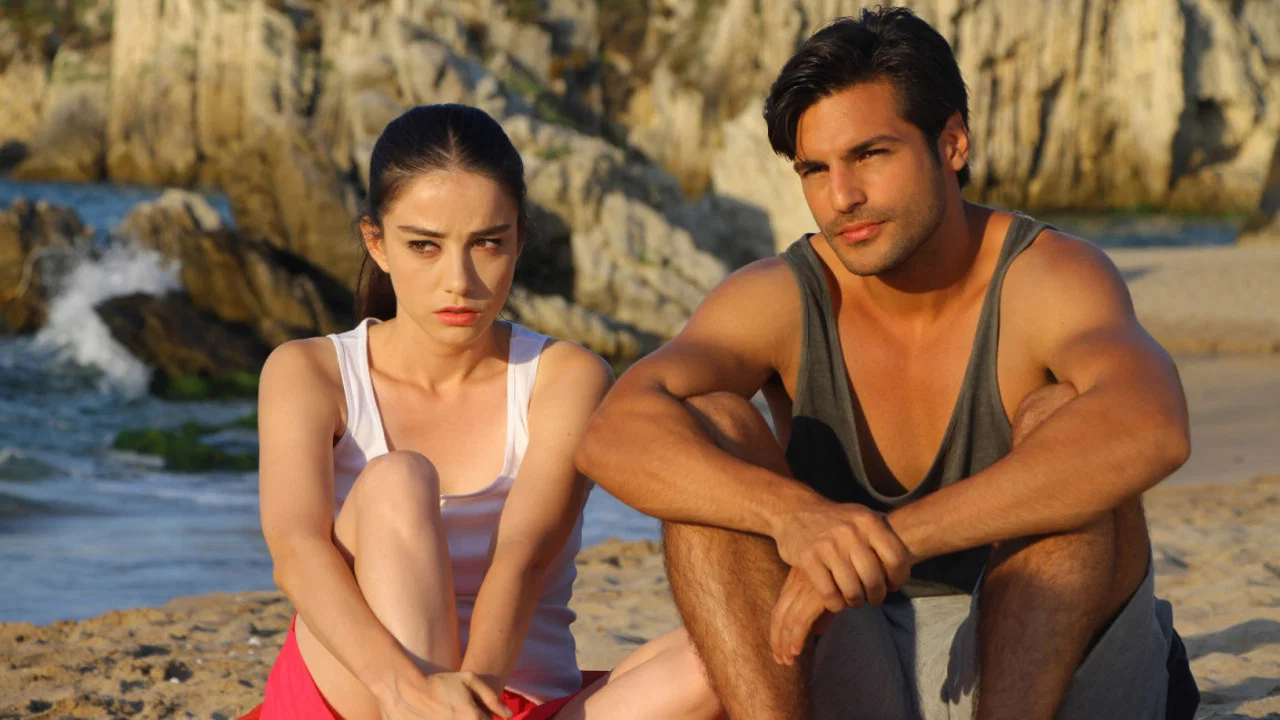
The real love story—the one between Italian viewers and Turkish soaps—begins with a summer in Istanbul full of cherries. A couture maison, a fresh-scrubbed student, and both of them in love with an architect who looks like an Etro model. It was 2014 in Turkey, 2016 on Italian screens, and this modern fairy tale was called Cherry Season, the series starring Özge Gürel and Serkan Çayoğlu, actors who later married in real life. Success was immediate: within a few summers, the dizi had become a mainstream genre on Italian broadcast television. Natural light did much of the work in these June-and-July, love-at-first-sight television romances. It was a commercial format that built loyalty through gripping plots, fairy-tale mood, and the appeal of modern-day Cinderellas—but also through a sunlit palette: airy pastels, sea turquoises, and golden backlight on the faces of the lovers.
Then something changed. The evolution of the Turkish soap over the past few years runs through two eras. From the eternal summer of the rom-com to the dark Baroque of the new dramas: a story you can tell by following the light.
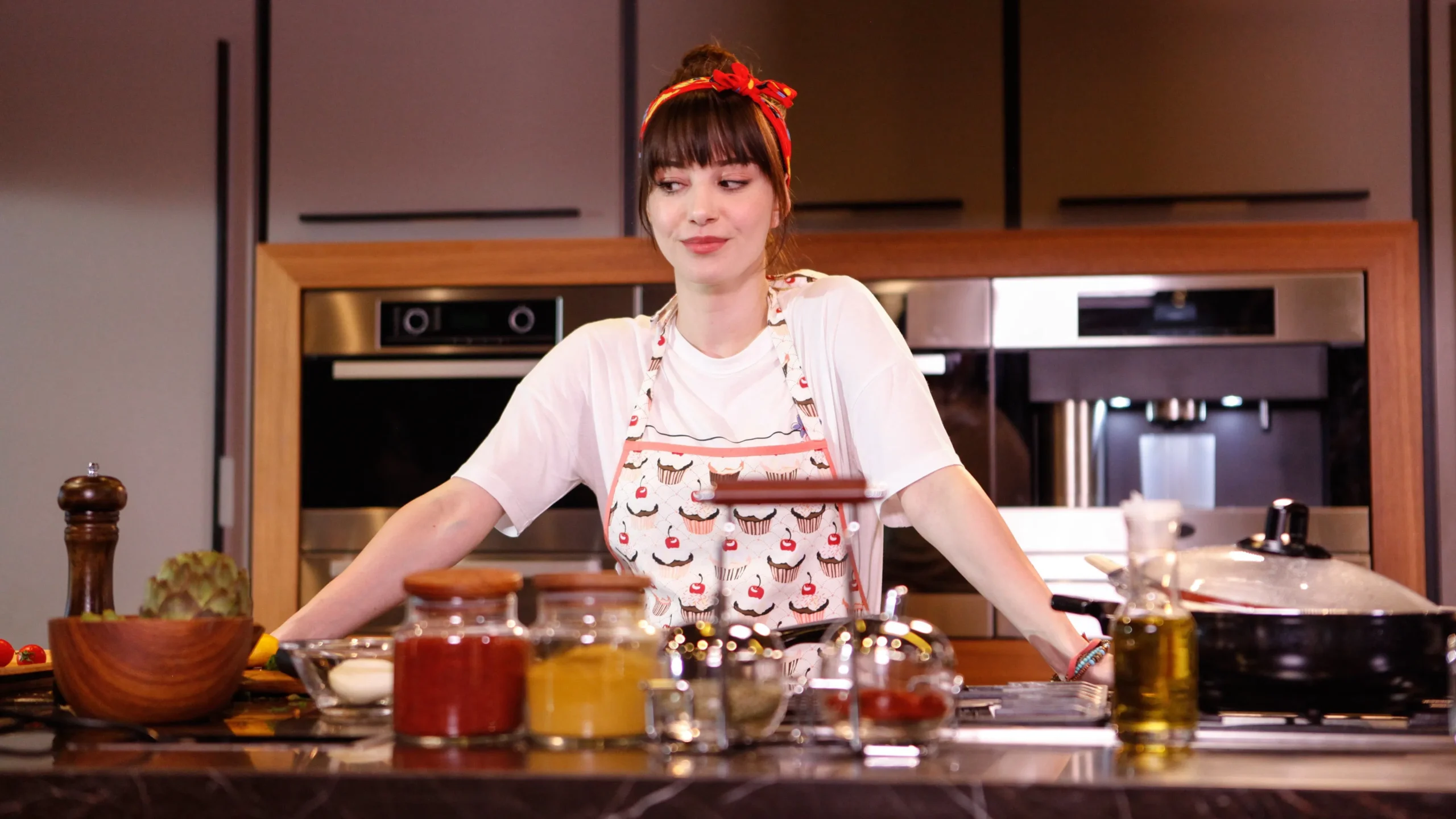
The first era of the Turkish soap
The era of summer light in Turkish series has its own cult titles: Cherry Season, Bitter Sweet – Ingredients of Love, Mr. Wrong – Lessons in Love, Love Is in the Air, Forbidden Fruit, Be My Sunshine, and many more could be named. But the true culprit behind Italy’s dizi fever is DayDreamer – The Wings of Dream, on air from June 2020 through 2021, helped by the international appeal of its lead, Can Yaman: a mix and match of Brad Pitt and Omar Sharif, a polyglot, multi-talented star, a lawyer by training but also a golden boy capable of sending ratings soaring with an en plein air shower in his boxers in the Divit family’s luxurious garden.

DayDreamer and the cinematography of eternal summer
It is DayDreamer itself that keeps the genre’s aesthetic secret. The series is set at Fikri Harika, an elite Istanbul advertising agency; the leads are a dreamy intern and a globetrotting photographer. In practice, a perfect mise en abyme: the soap that stages the very world producing its own aesthetic. When Can Divit sets up a shoot, the series is showing us its own apparatus: reflectors, mood boards, still lifes run alongside the romantic plot. The photo shoots on the beach or in the woods embody the imagery of eternal summer that kept millions of women glued to Canale 5—in fall and winter too. There seems to be a single rule of cinematography in these dizi: no shadow may darken the fairy tale. This is the realm of high-key, full, diffused light that erases chiaroscuro. The palette is that of the never-ending summer, evoking an existential state made of sunscreen, Mediterranean scrub, and Algida Cornetto ice cream. The examples: the lacquer red of the cherries and sorbet tones of Cherry Season; the sugared pastels of the pastry shop in Bitter Sweet – Ingredients of Love; the seaside turquoises of Mr. Wrong – Lessons in Love, shot between Istanbul and the sun-struck beaches of Göcek. And then the genre’s lighting signature: the backlit sunset on the faces of the lovers, a glow that turns these rom-coms into luxury postcards.

The interiors of the dizi, above all (the gleaming kitchens, the luminous living rooms of the Love Is in the Airholding company), are lit like lifestyle editorials: glossy surfaces, Apollonian whites, home decor that makes you dream of shopping. In these series—accused by some of being too flat where character development is concerned—there is no “moral twilight,” because there is no photographic twilight either. And yet it couldn’t last forever. Even the eternal summer turned out not to be eternal, and it ended.
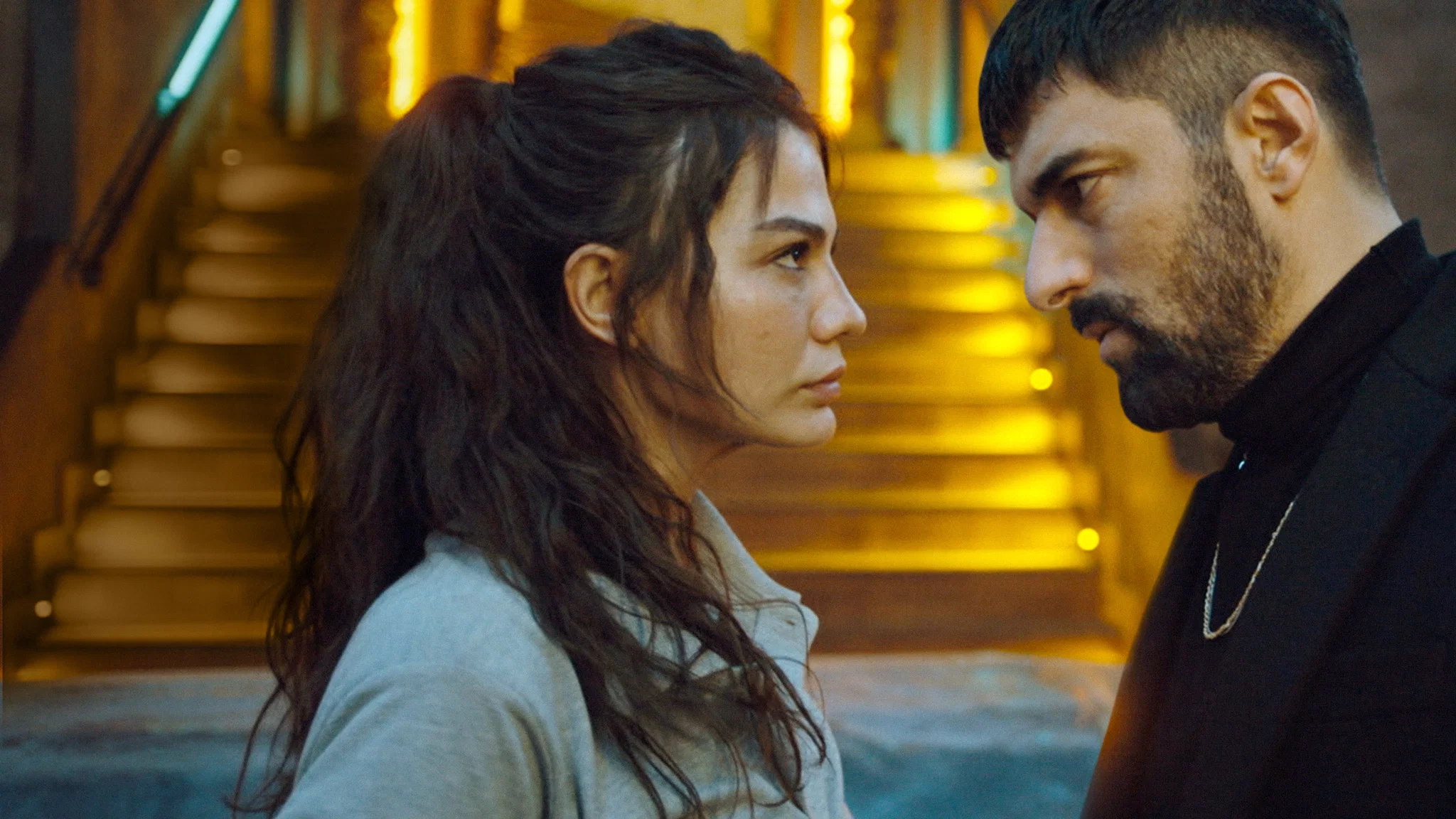
The second era: from Baroque to neo-noir
Why did summer end? Several explanations could be examined: political, social, cultural, commercial. Above all, the rom-com cycle had run its course, with dozens of variations on the same encounter between her, the “ordinary” girl, and him, the (apparently) unattainable one; the international audience, by now decisive for production budgets from Latin America to Italy, seemed to reward dark drama, crime, and melodrama; and producers began importing formats already tested elsewhere, from Argentina to Japan to Lebanon. Stories born dark that meant to stay dark. But another question interests us here: what happened when summer ended for the Turkish series? The dizi discovered shadow.
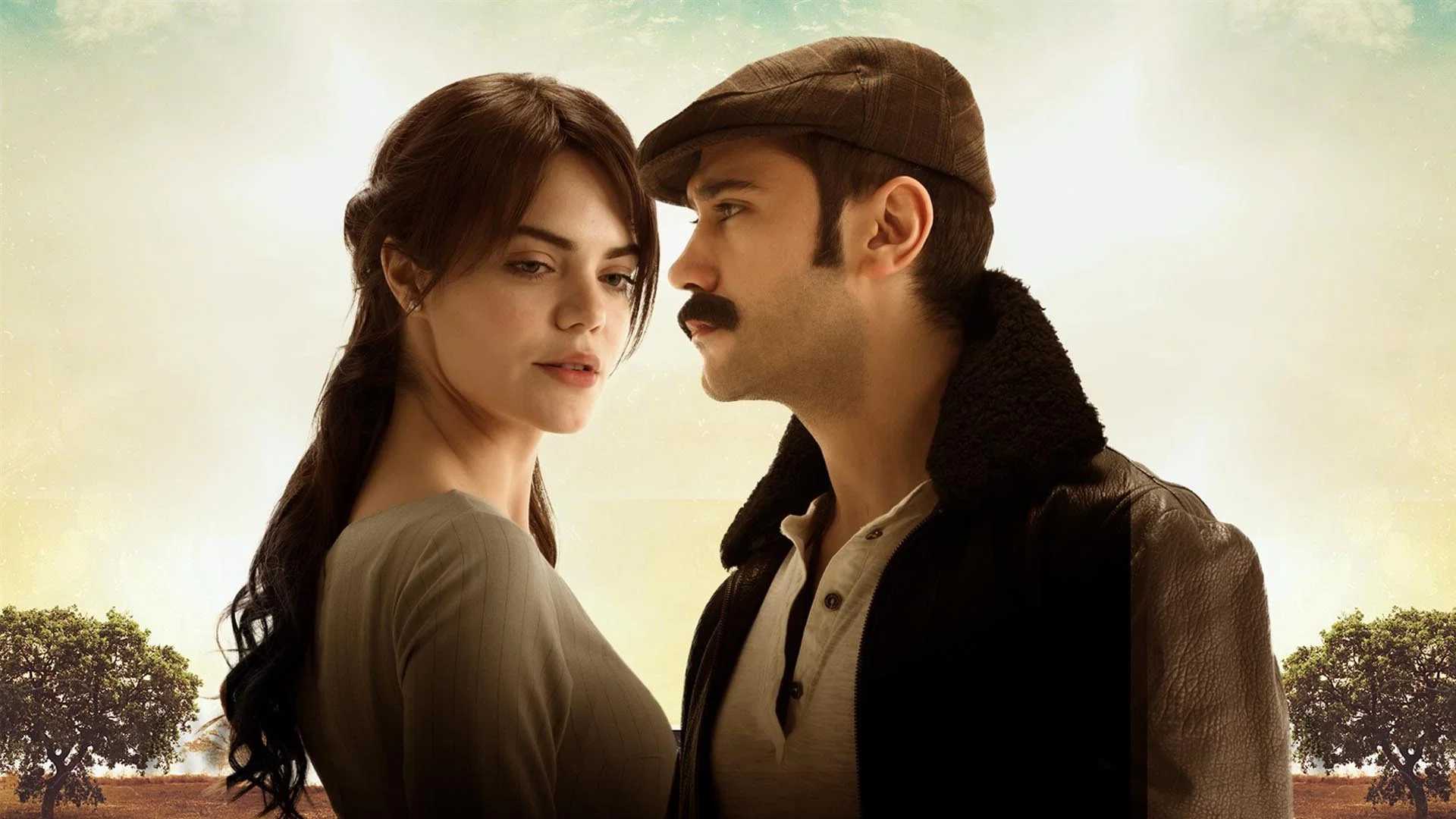
Terra Amara also served as the trait d’union between the summer comedies and the new television Baroque. Though set in a sun-scorched Çukurova, the series swaps the lightness of romantic comedy for far more dramatic cinematography, something close to a 1970s Instagram filter, which no longer celebrates falling in love but throws revenge, mourning, power struggles, and sealed fates into relief. The new plots—extreme melodramas, near-thrillers such as Family Secrets, mothers on the run, families with fatal secrets as in The Family—needed a new light, and Turkish television answered by turning its back on summer.
From The Strength of a Woman to I Am Farah: the dizi discovers shadow
Among the first to abandon the lighting scheme of the romantic soap was The Strength of a Woman (La forza di una donna), a countercurrent story set in the daily life of Tarlabaşı, a working-class Istanbul neighborhood. The series dates from 2017 but reached Italy in 2025, by which time the glossy summer sun had already set. Here we see poor interiors lit by real sources—a bare bulb, a window onto the courtyard—and a desaturated palette of grays, pale blues, and the orange tones of precariousness. It is a raw light, close to documentary, in which warm light is no longer the default setting of the fairy tale but something won; it appears only when Bahar and her children are lucky enough to eat a hot meal.
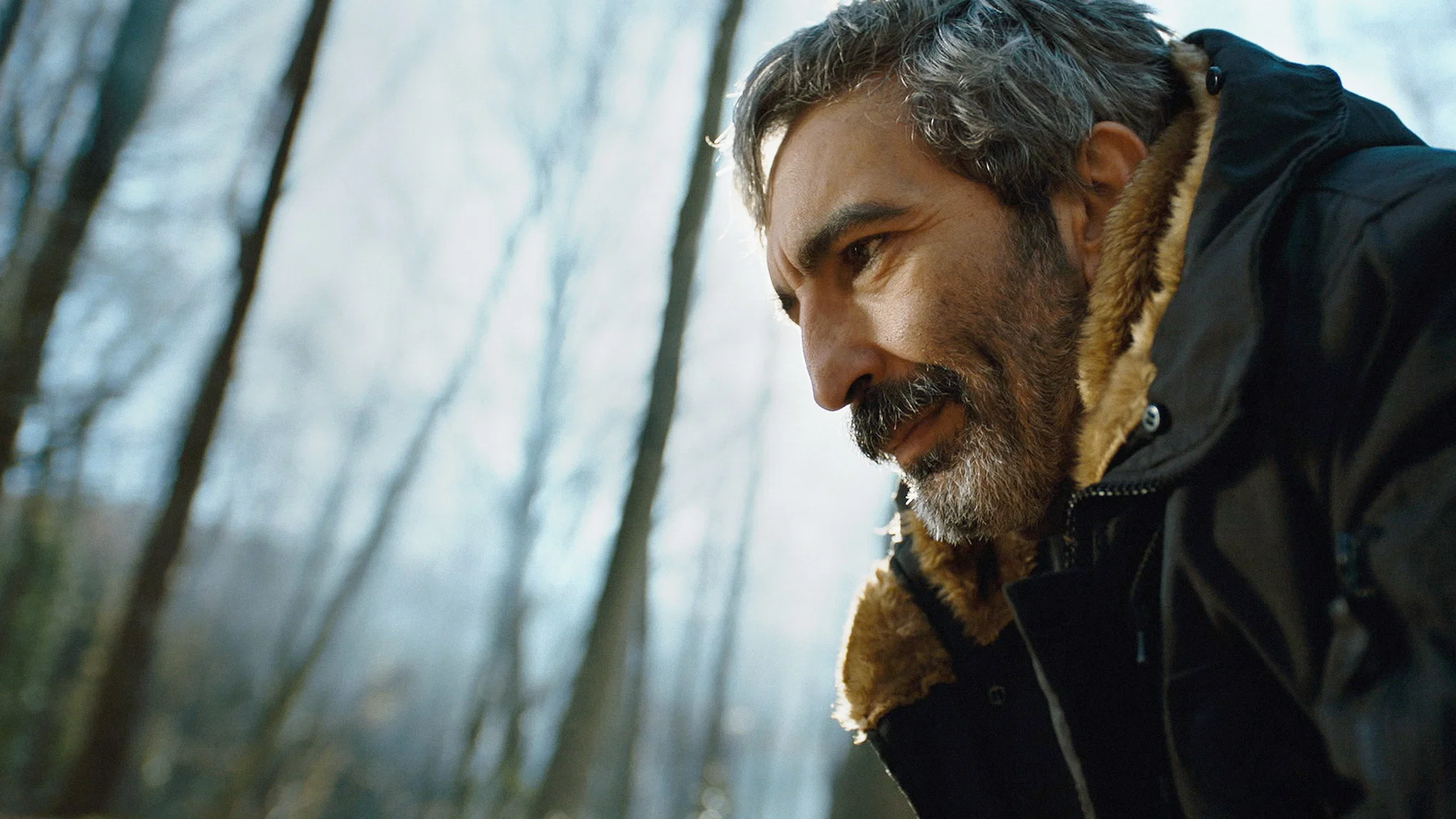
With I Am Farah (Io sono Farah), neo-noir enters Turkish network television: low-key frames, cold neon, rooms in half-light, car headlights, the Istanbul night, and plenty of action. The protagonist is an Iranian doctor who becomes a cleaner and scrubs crime scenes after midnight: an anti-Cinderella who overturns the archetype of the romantic series. On the same nocturnal wavelength is A Tale of One Night (Racconto di una notte), which from its title makes darkness the space of the story: love is no longer declared under a pink or starry sky but discovered in the dead of night, in a lunar place like Pamukkale.
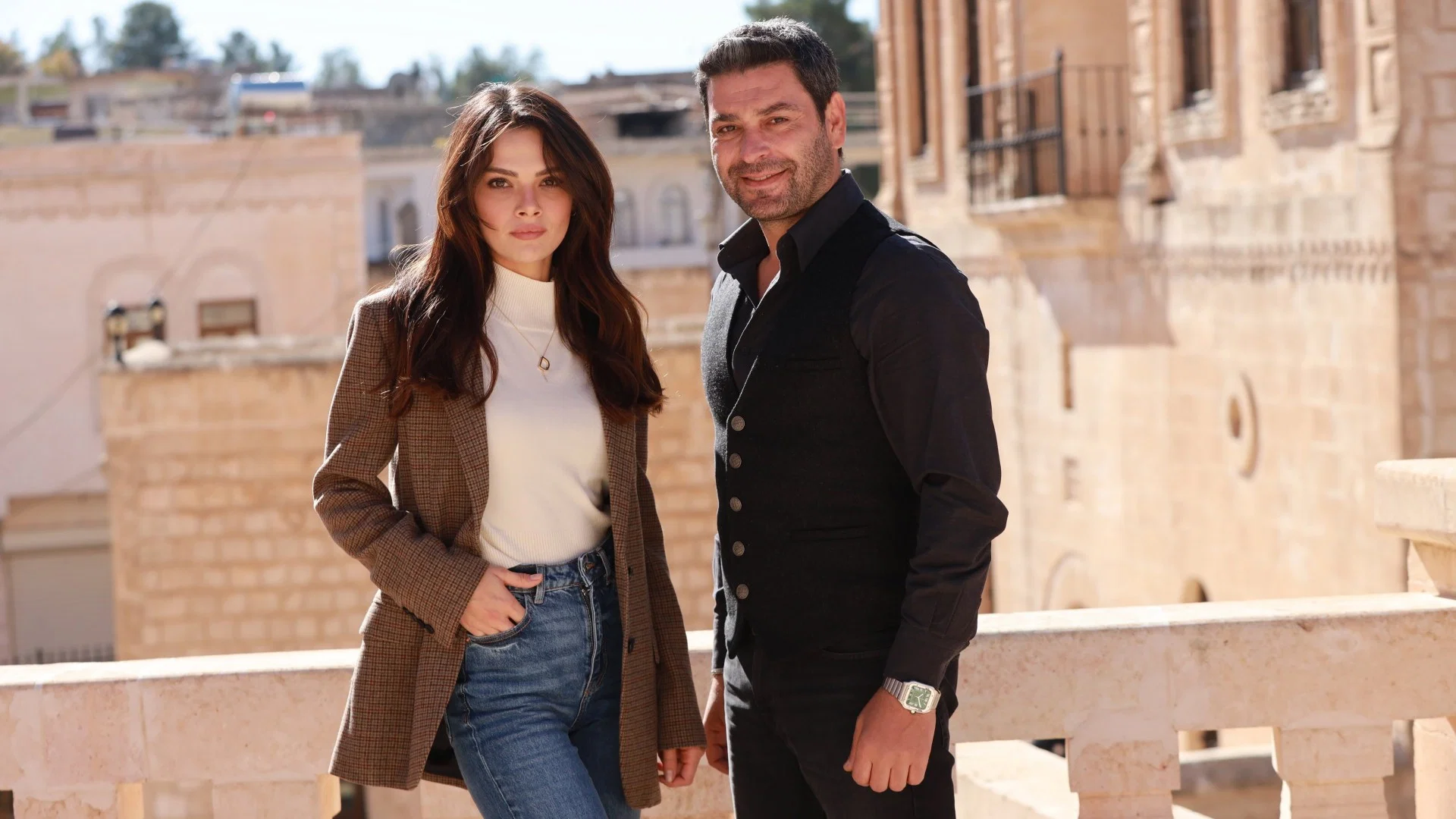
Far Away is the synthesis of this new grammar of light, the Baroque fully realized. Shot in Mardin, among stone konak houses that open onto the Mesopotamian plain, it is a series at once luminous and dark: the southeastern sun is there, but it enters the courtyards in blades, draws chiaroscuro worthy of Caravaggio, and dies out in interiors where mourning and dangerous intrigue dress the frame in black. The golden stone works as a giant amber reflector, and Mesopotamia replaces the Bosphorus: no longer a backdrop of promise, but a backdrop of fate.
Two eras leave us with a question: which one comes next? But also with a certainty: cinematography in Turkish series has always been a fundamental matter, not only for drawing an audience but for asserting a (national) identity of genre inside a television industry that, for production pace and export power, can almost compete with Hollywood. The perpetual summer lit to promise (love); the dark Baroque lights to weigh the price every character pays to survive their own story. In between are we, the viewers, who moved from the backlit Bosphorus to the blades of sun on the stone of Mardin without changing the channel. Turkish television, in the end, never stopped illuminating us—even when it started to modulate the light. And we kept watching, even after summer was over.