Walking on a knife’s edge between function and decoration: the work of Giuseppe Maurizio Scutellà
His passion for design matured over years of technical work across various, mostly industrial, sectors. His most special passion—for light—goes back to childhood, when he would watch the shadows cast on the walls of his grandparents’ house during his summers in Sicily.
A few months after the Venetian designer’s passing, the Danish company adds this
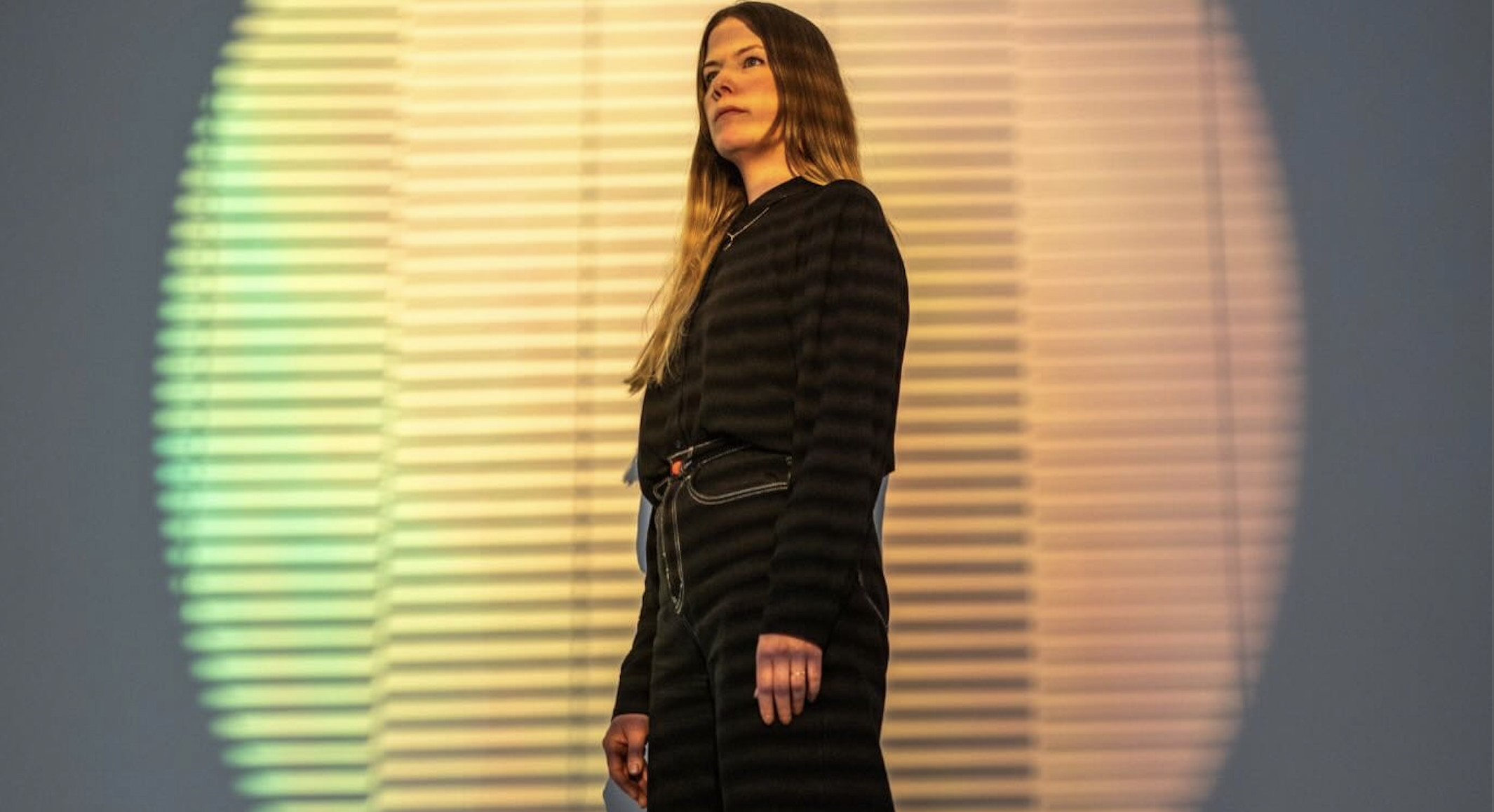
Cover photo: Giuseppe Maurizio Scutellà – GMS Design
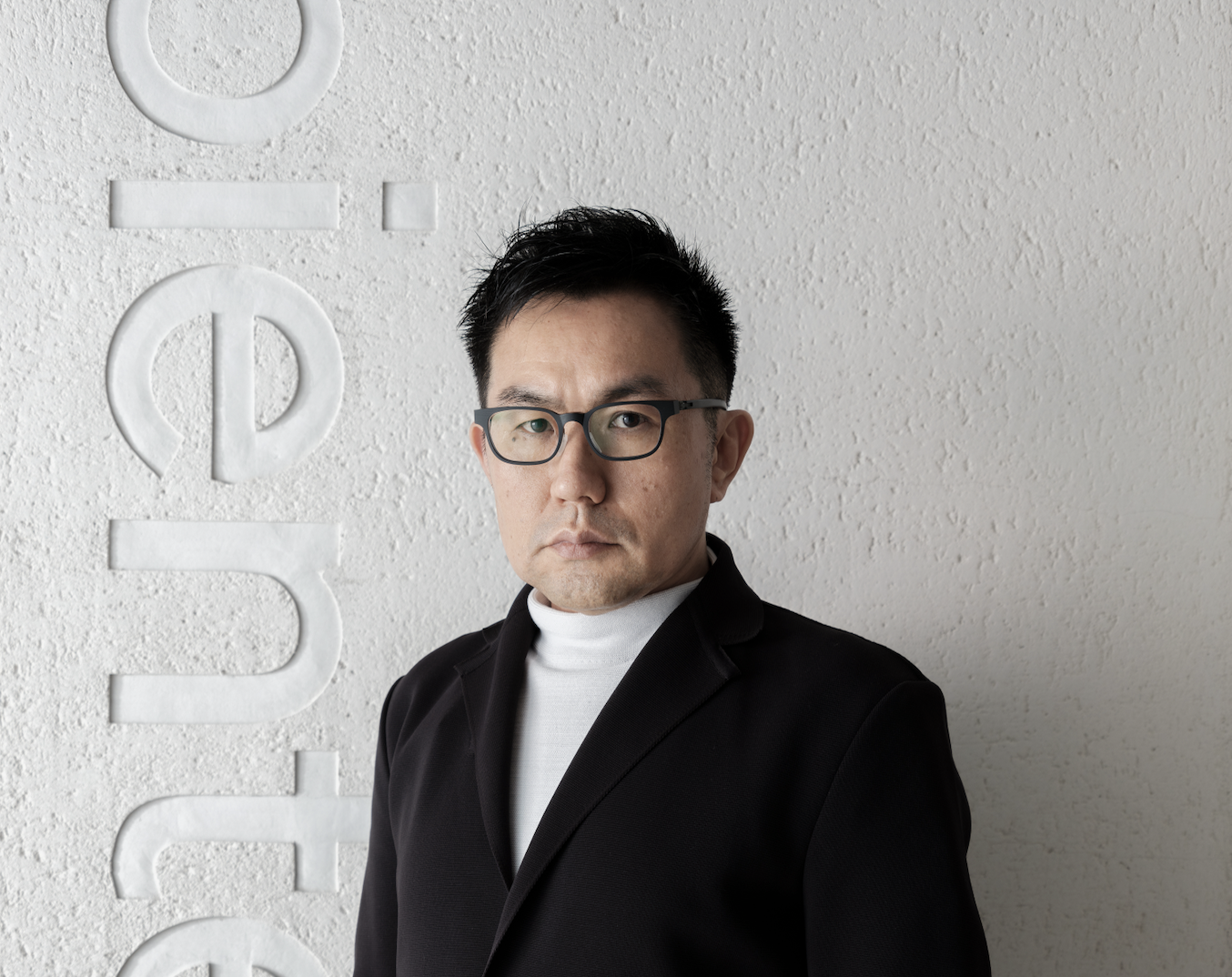
Through a design philosophy that fully embraces both emotion and discipline, Giuseppe Maurizio Scutellà keeps his principles firmly rooted in mass production and industrial design, while also taking great care to infuse his work with “lightness” and break free from certain stylistic preconceptions. With a romantic affinity for light and its immateriality, and a passion for offering a fresh perspective on both new and existing projects, he guides his work—in lighting as well as in other fields related to interior design—through a subtle yet concrete dualism that strikes a balanced harmony between decoration and functionality, between technical architecture and contemporary art.
Over the years, through his Milan-based studio GMS Design, he has developed collaborations and lighting design projects for various brands, including Light Contract (a division of Flos), Artemide, Gruppo Auralis, Francesconi Architectural Light, Formalighting, OSRAM, Platek, and Stilnovo.
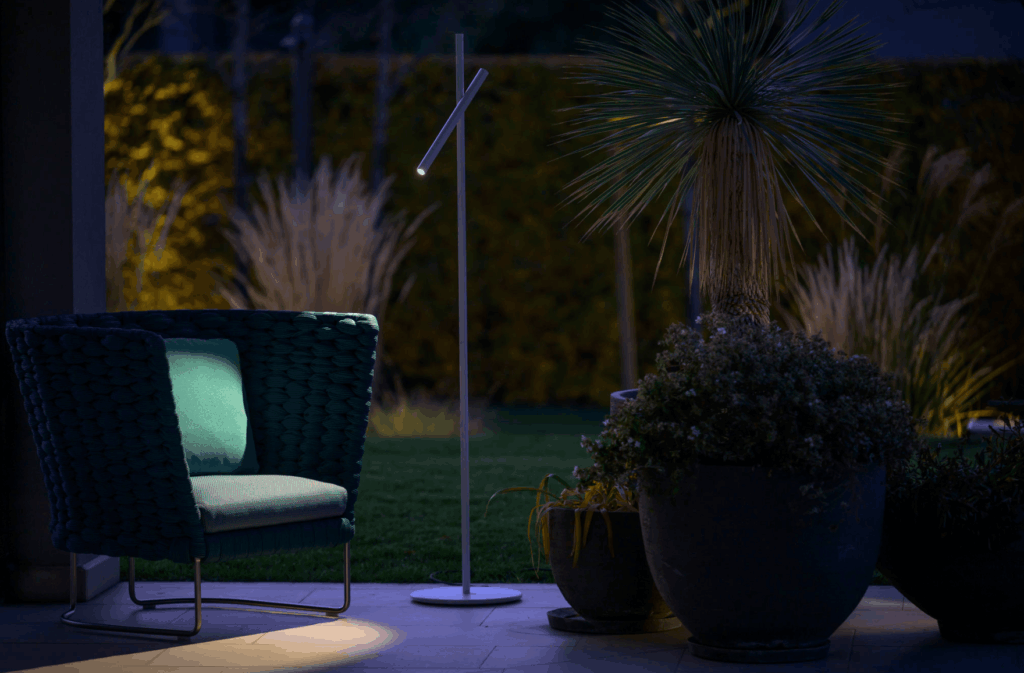
Shanghai, Platek, 2022
In the past, as a Senior Project Tech Designer, you worked with companies such as Kawasaki, Ducati, and Mercedes. What did the motor industry teach you?
“I spent my early career in the bustling industrial heartland of Brescia and Lumezzane, wearing a black work smock. That color, incidentally, is the same as the workshop operator’s uniform—almost as if to create a continuum between the design phase and the execution phase. What these major brands required of me in the production of large-scale technical equipment was absolute precision; error was not an option: it would have been a disaster repeated countless times. This early experience certainly shaped my approach to design and instilled an attitude that emphasizes method and responsibility when addressing other aspects as well, such as those related to the post-project phase.”
This technical background must have served you wellin designing the walkable system developed for OSRAM, a practical example of the direct interplay between design and applied engineering. Can you explain this in detail?
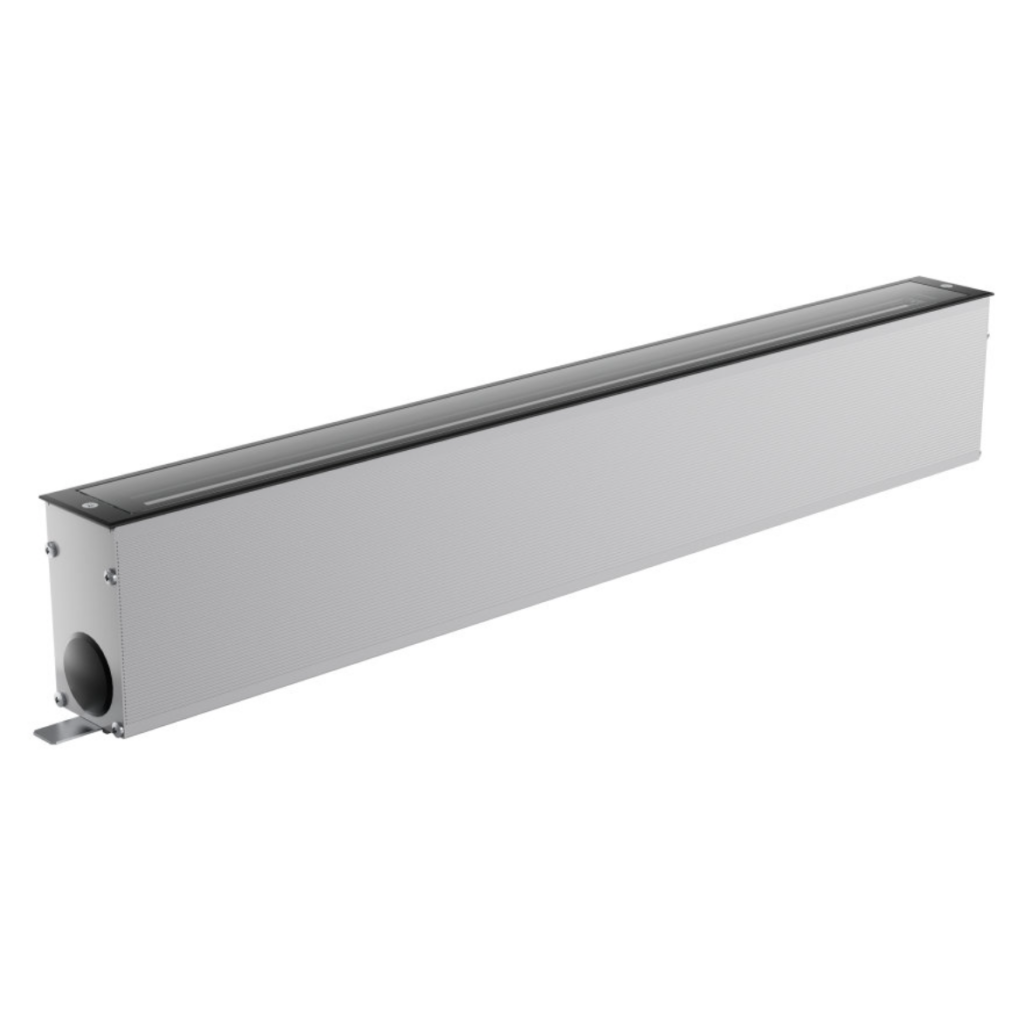
“The LINEARlight Rigid FINESSE InGround 24 V walkable system, suitable for residential and commercial applications, arose from a specific request by the brand, which wanted to create something different from ‘classic’ walkable systems: it had to accommodate one of their existing high-performance optical engines—which wasn’t originally designed for this specific use—and ensure it functioned reliably in a harsh environment (IP67 rating at temperatures ranging from -30°C to +50°C). It was a demanding challenge; the skills required for a project like this are highly technical (seals, component types), and they can’t be improvised—I’ve acquired them over time through experience. This solution, which prioritizes structural strength, safety, and durability, was designed from scratch; it is a first-of-its-kind product and is manufactured in Italy thanks to the involvement of a company that had never tackled a project like this before. A bet that paid off!”
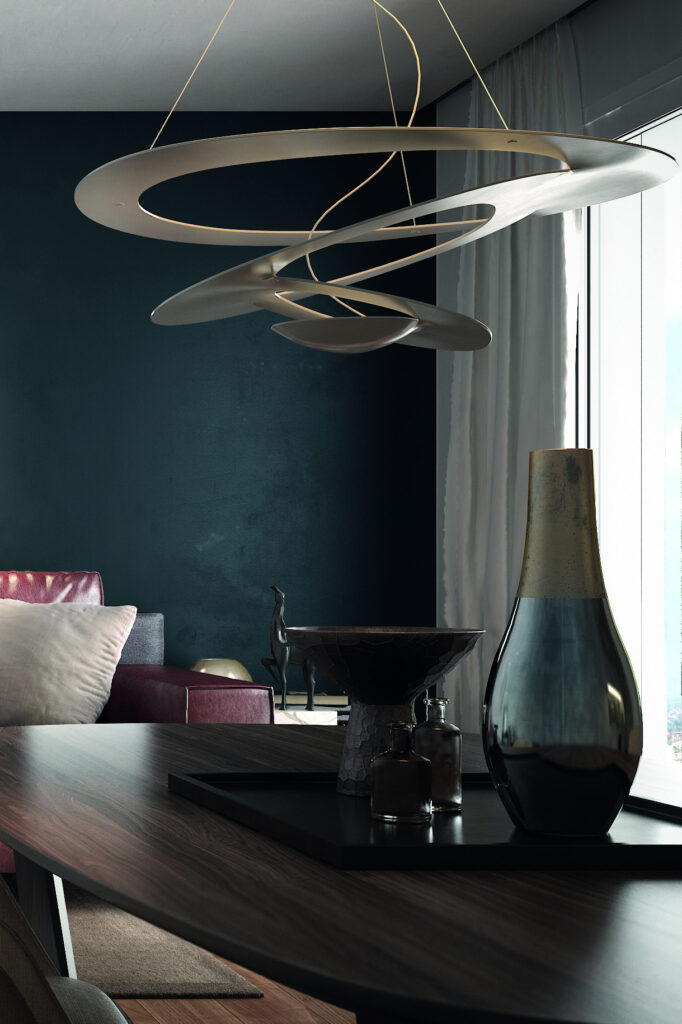
Pirce, Artemide, 2008–2013
The award-winning Pirce collection is an example of your love for concealed technology, in which light emerges in a delicate, subtle way. Tell us its secrets.
“Pirce marked my debut in the world of design and lighting with a leading company like Artemide. I remember that, when I didn’t know anyone yet, I simply emailed it to the attention of the president and founder, Ernesto Gismondi, three months before Light&Building in 2008. They chose it, but they forgot to tell me that they’d produced and presented it! I found out by calling the company to ask if the prototype—of which I’d received a photo two months earlier—had gone anywhere.”
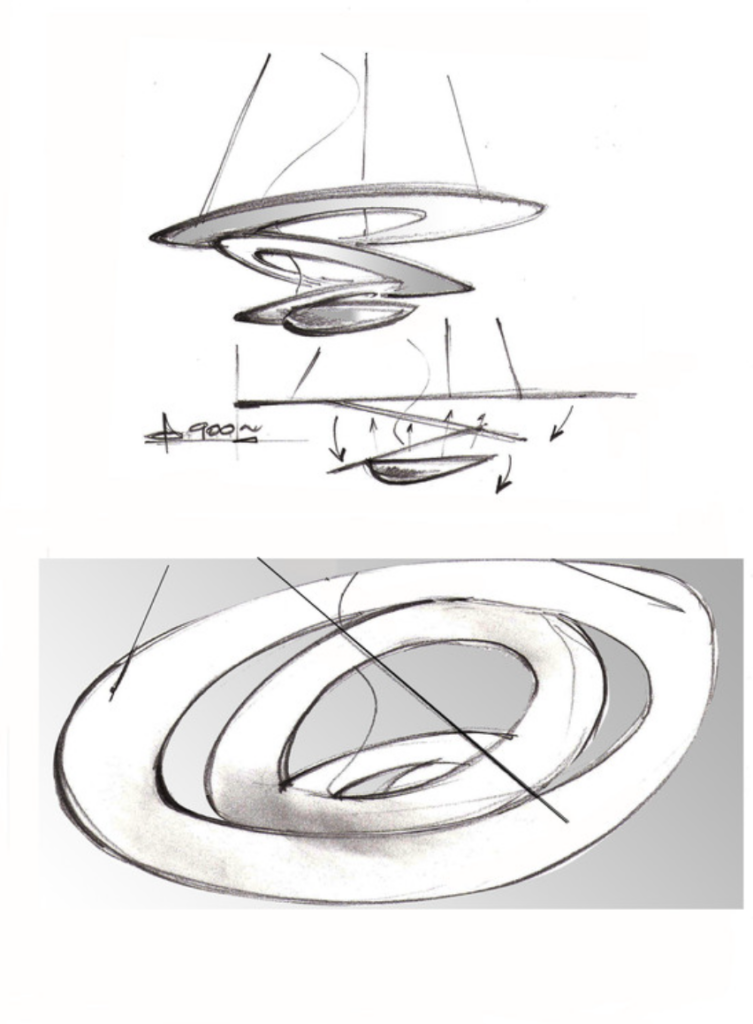
Sketch for Pirce
“I introduced myself as a complete stranger at the opening of their showroom on Corso Monforte in Milan, and I did so by ‘crushing’ the president’s hand in my excitement: I returned home with the distinct feeling that a new chapter in my life was about to begin. Nearly 20 years later, Pirce remains my declaration of love for light.”
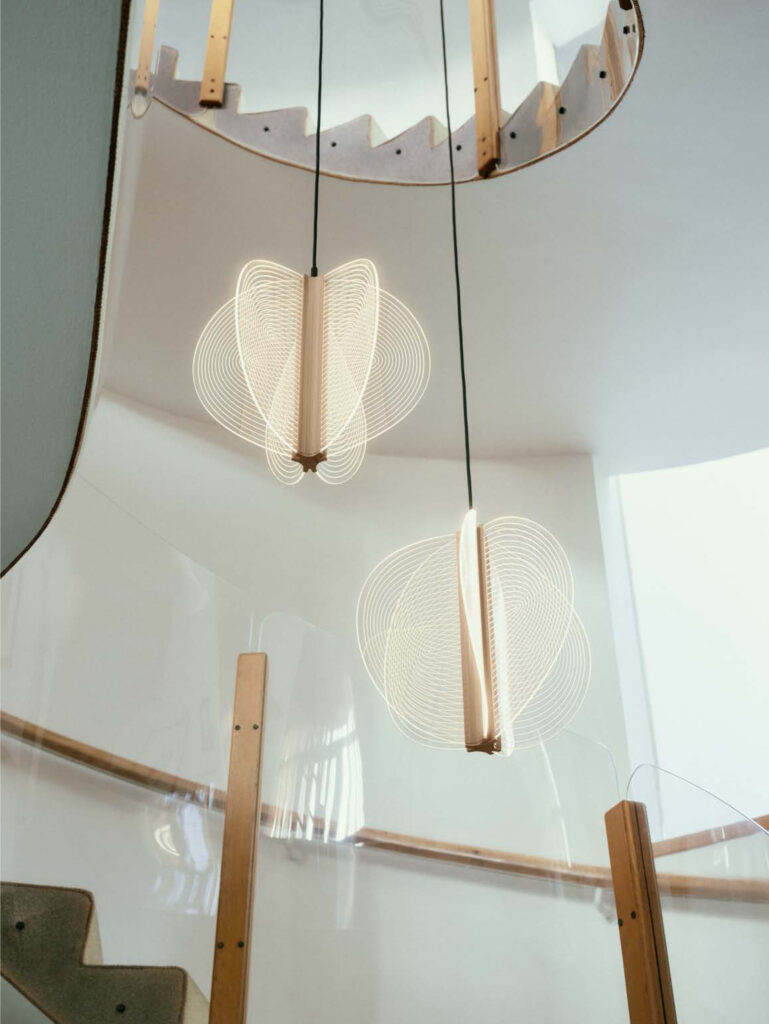
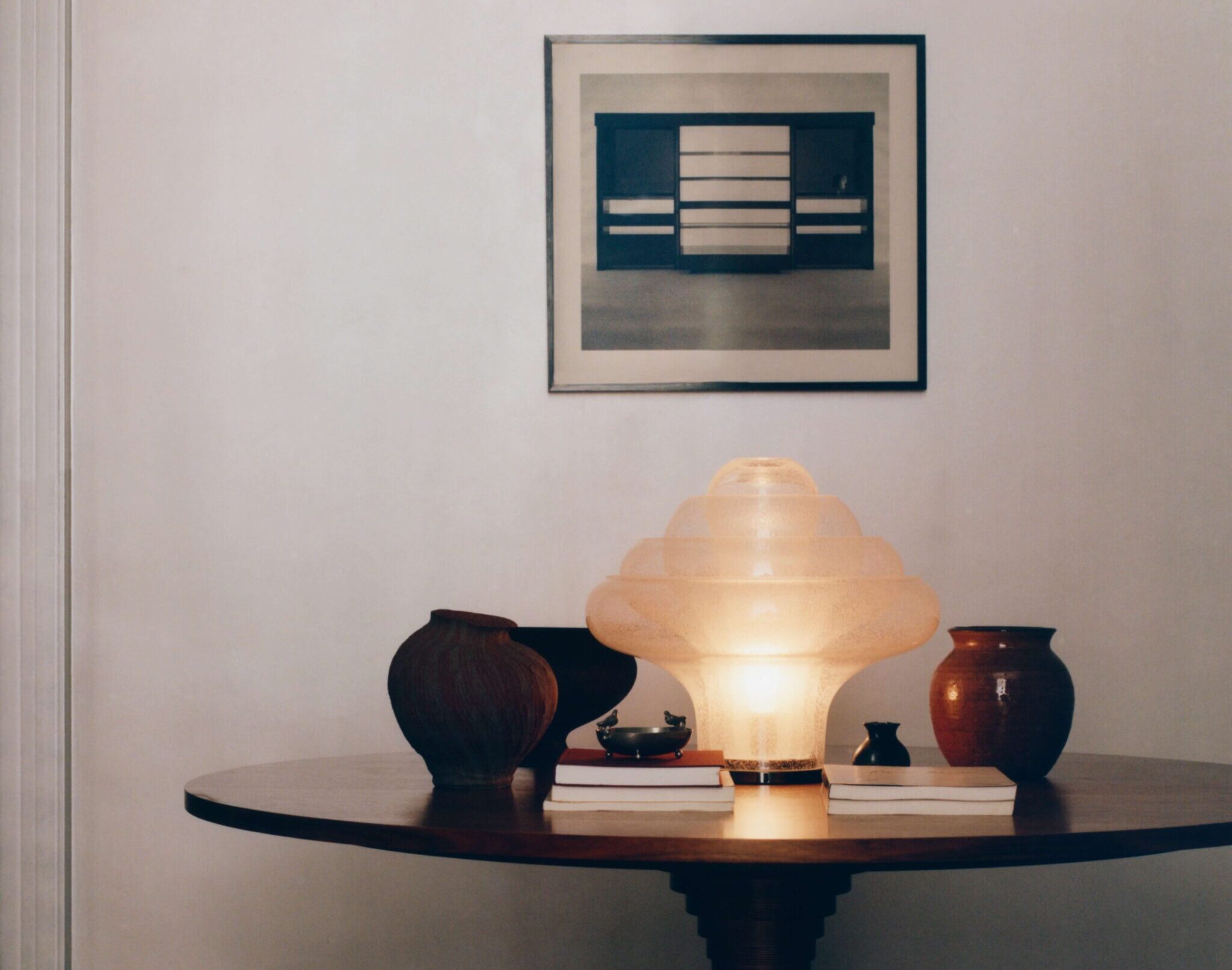
Papylia, Stilnovo, 2026
From your very first lighting design, let’s leap forward in time to your latest: Papylia is a luminous piece with a striking visual presence. Its translucent qualities reveal a study of the geometries of light and their spatial, physical, and immaterial perception…
“It is the leitmotif of my personal exploration of light, expressed through a luminous weave that is gentle, delicate, and dynamic at once—just as I like to imagine light itself. For me, light is unique compared to everything else in interior design, architecture, and industrial design; light is a constantly evolving narrative… My relationship with it is one of love: I find it alive, real, and fascinating. Many of my ideas were born from interpreting an image in a different way—an object, a shadow—that suggested something else to me, sparking a thought that eventually became a project.”
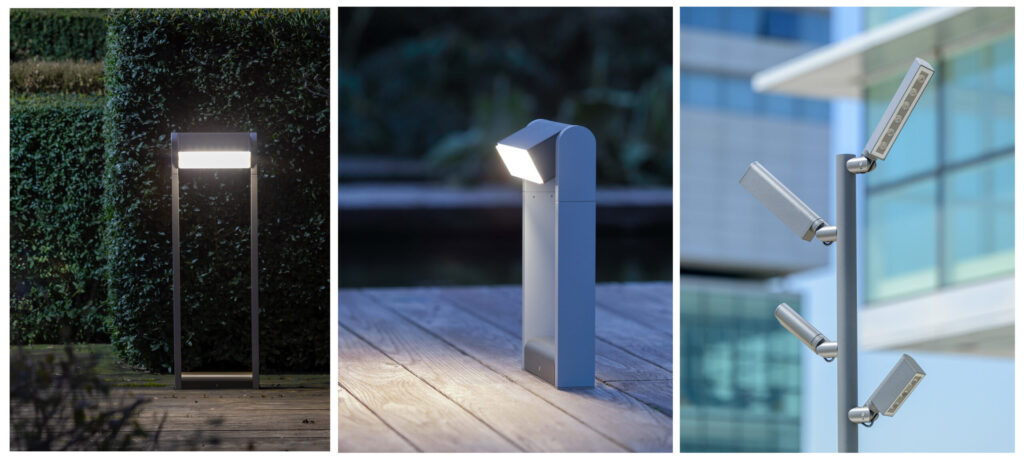
Nova collection, Francesconi Architectural Light, 2022–2024
You’ve designed numerous outdoor lighting products; I’m thinking, for example, of the Nova, Cup, Brick Smooth, and Shanghai collections. On the topic of outdoor lighting, I’d like your take on a view of mine: in outdoor lighting designs, there’s often a sort of (general) limit in terms of expression and form. Why do we tend to favor more standard shapes for outdoor spaces, whereas in interior design this isn’t the case—or at least not to the same extent?
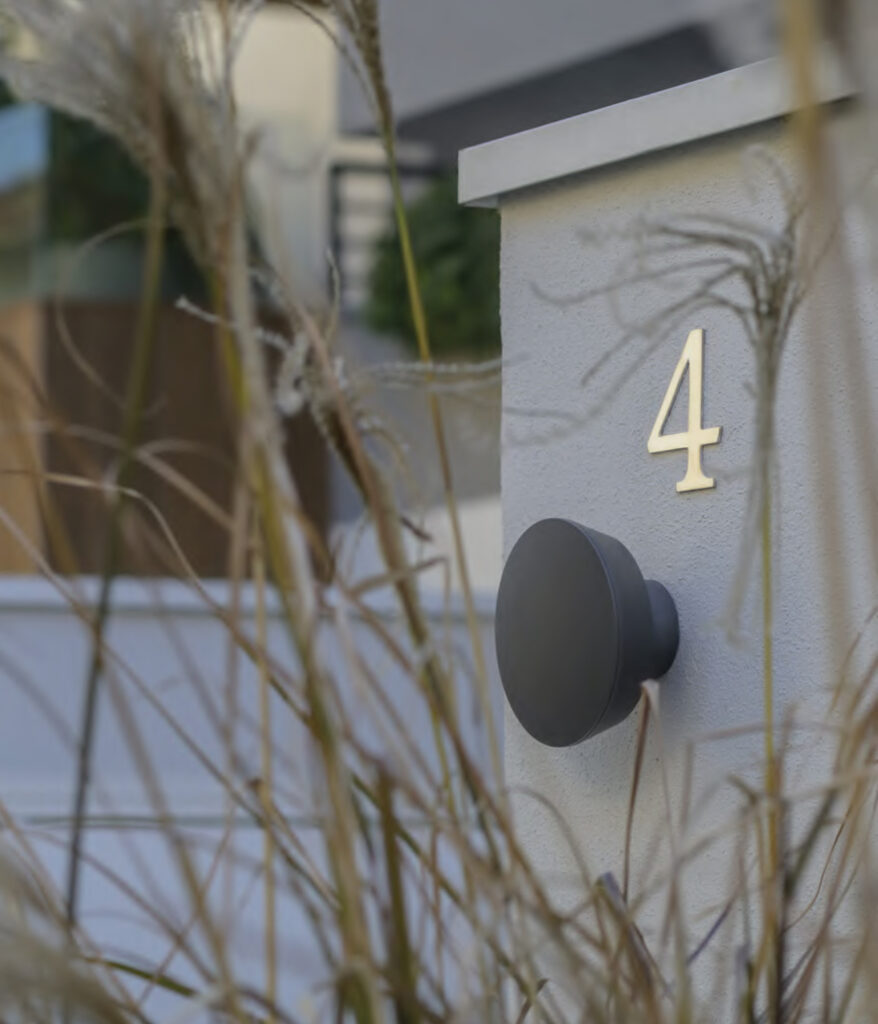
“Back when LEDs first emerged as an alternative to traditional solutions, I made the same observation in the architectural sector: while acknowledging that minimalist, geometric forms naturally stem from industrial processes and are more easily adaptable to meet the demands of lighting designers and architects, I wondered if there could be a different approach—one in which products no longer looked as if they came from a catalog of aluminum extrusions rather than a product catalog. Did outdoor lighting really have to be limited to cylindrical or rectangular bollard solutions, often slavishly copied in form from indoor designs?”
Cup, Francesconi Architectural Light, 2024
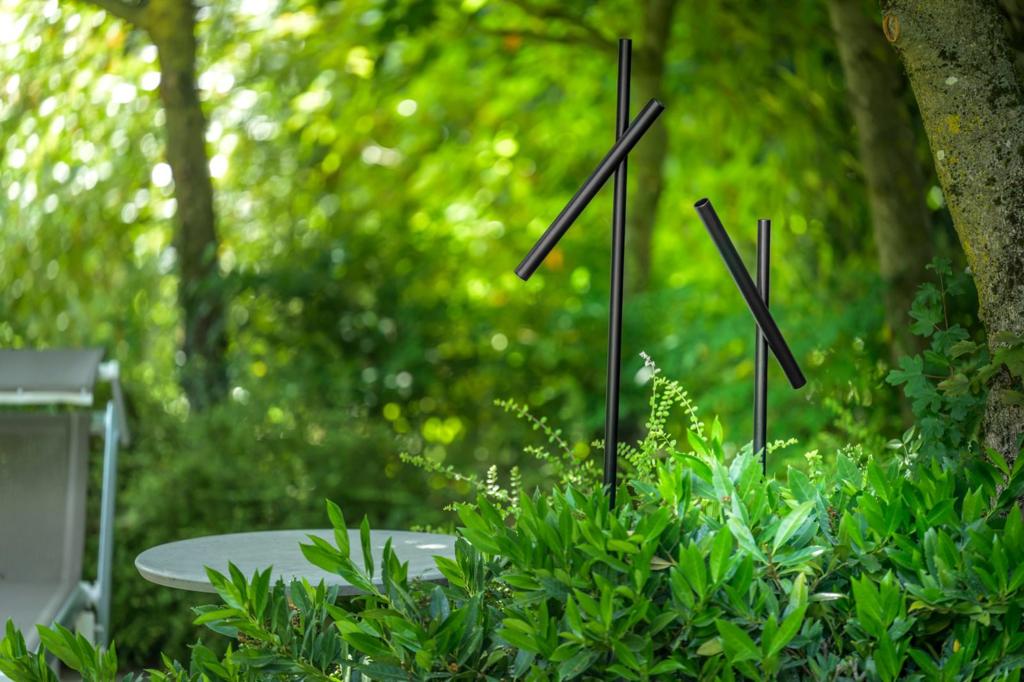
“Initially, the risk was ending up, at best, with a design that was unoriginal and out of context. Often, the formal attention given to a product placed in an urban or interior space isn’t dedicated in the same way to outdoor settings. In all my projects, I’ve tried to add ‘something’; for example, in Shanghai, I played with proportions, exaggerating the length of the spotlight relative to its mount, while maintaining two minimal and similar diameters so that the system almost disappears, like two blades of grass crossing each other.”
Shanghai, Platek, 2022
Between form following function and function following form… which side are you on?
“For me, the correct form always derives from the right function; it is its consequence. As Gae Aulenti wrote, the quality of a design stems from the quality (and sensitivity, I would add) of the questions.”
Do you have a project to share?
Atmosfera is an open space for dialogue. If light plays a key role in your research or a specific project, we’re ready to listen. We feature lighting design projects, art installations, photography series, and stories that explore the narrative potential of light.
Send us your portfolio or tell us about a project you care about. It could become part of our editorial programming—or spark a new collaboration.
A few months after the Venetian designer’s passing, the Danish company adds this refined lighting object to its catalog, a piece produced for only a short...
Designed by Craft & Concept in collaboration with November Architects, the lighting project at Huit Sushi uses dynamic, colored light to organize space,...