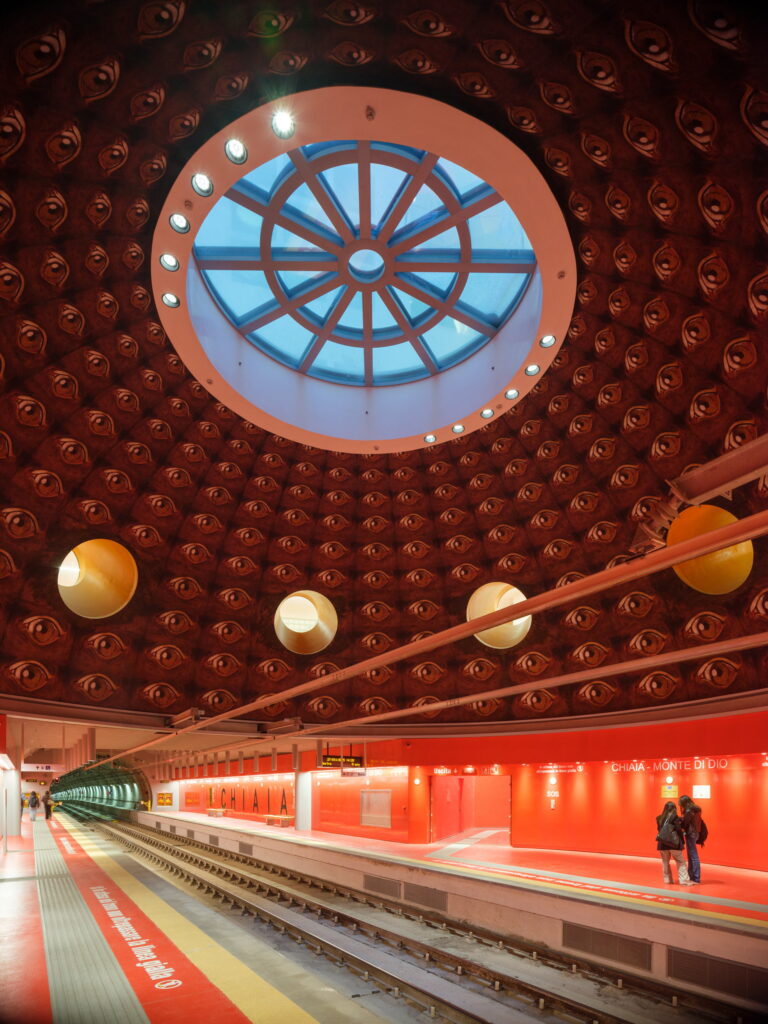
The new Chiaia station on Line 6 of the Naples Metro is part of the broader “Stazioni dell’Arte” (Art Stations) system, taking to the extreme an approach that has made the capital of Campania an international benchmark for the quality of its infrastructure. The station is no longer treated as a mere transit point, but as an architectural and sensory experience—a true total work of art. The design of the Chiaia metro station is by architect Uberto Siola, with an artistic contribution by Peter Greenaway and lighting design by Filippo Cannata. At the heart of the project is the large oculus that brings natural light down to a depth of over forty meters, transforming the descent into the underground into a symbolic passage between light and matter, between the surface and the underground.
In this context, lighting design plays a central role, creating a dialogue between natural and artificial light in a subtle balance between function, orientation, and emotional dimension. Siola’s architecture shapes the space and its scale; Greenaway’s vision introduces a narrative and temporal dimension; while Cannata’s lighting brings these two elements together into a single, coherent narrative. Light thus becomes a narrative device as well as a technical one, capable of guiding movement, defining space, and shaping identity.
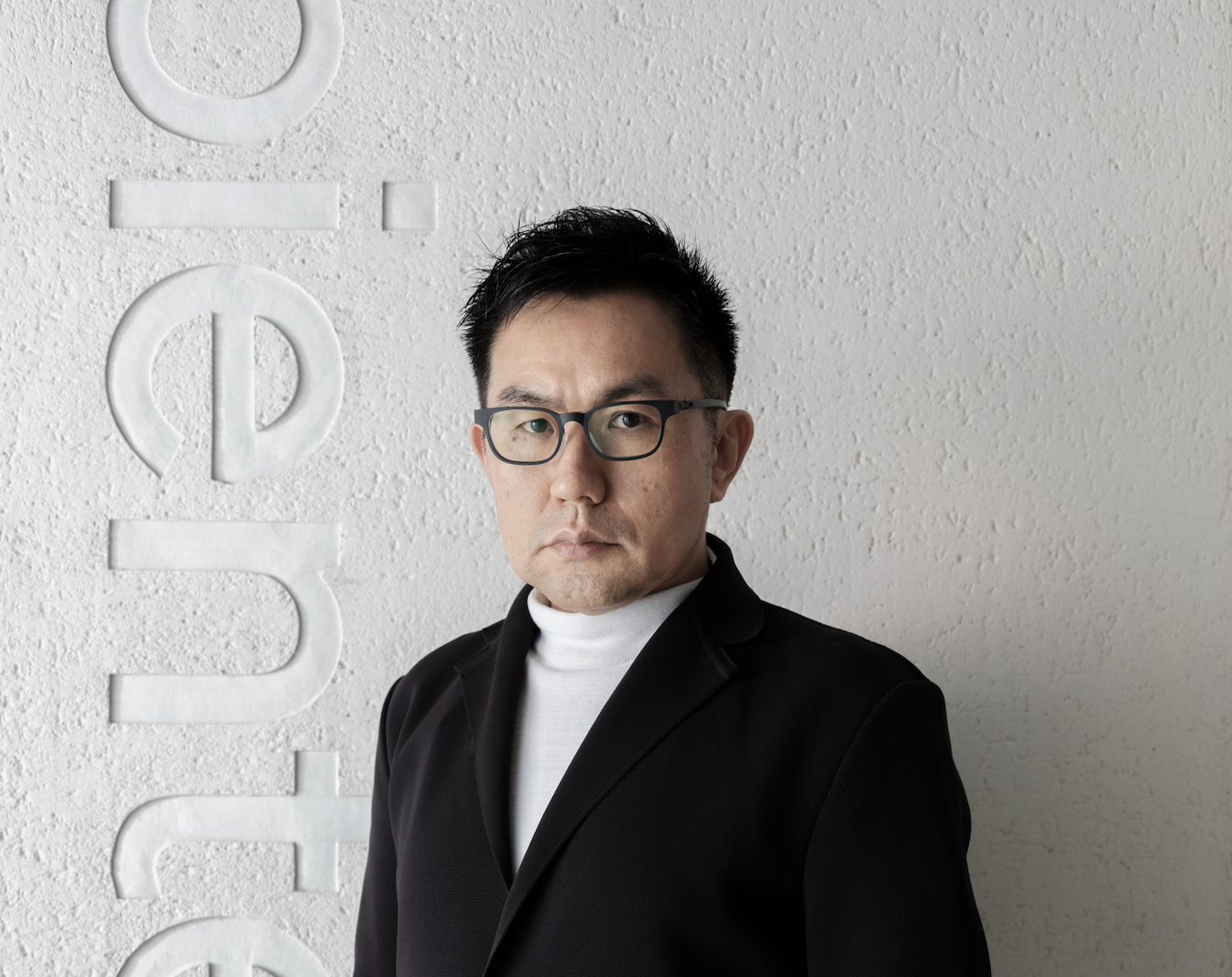
We asked Filippo Cannata to describe his work on the Chiaia metro station and to share broader reflections on the contemporary role of transportation infrastructure as new urban thresholds.
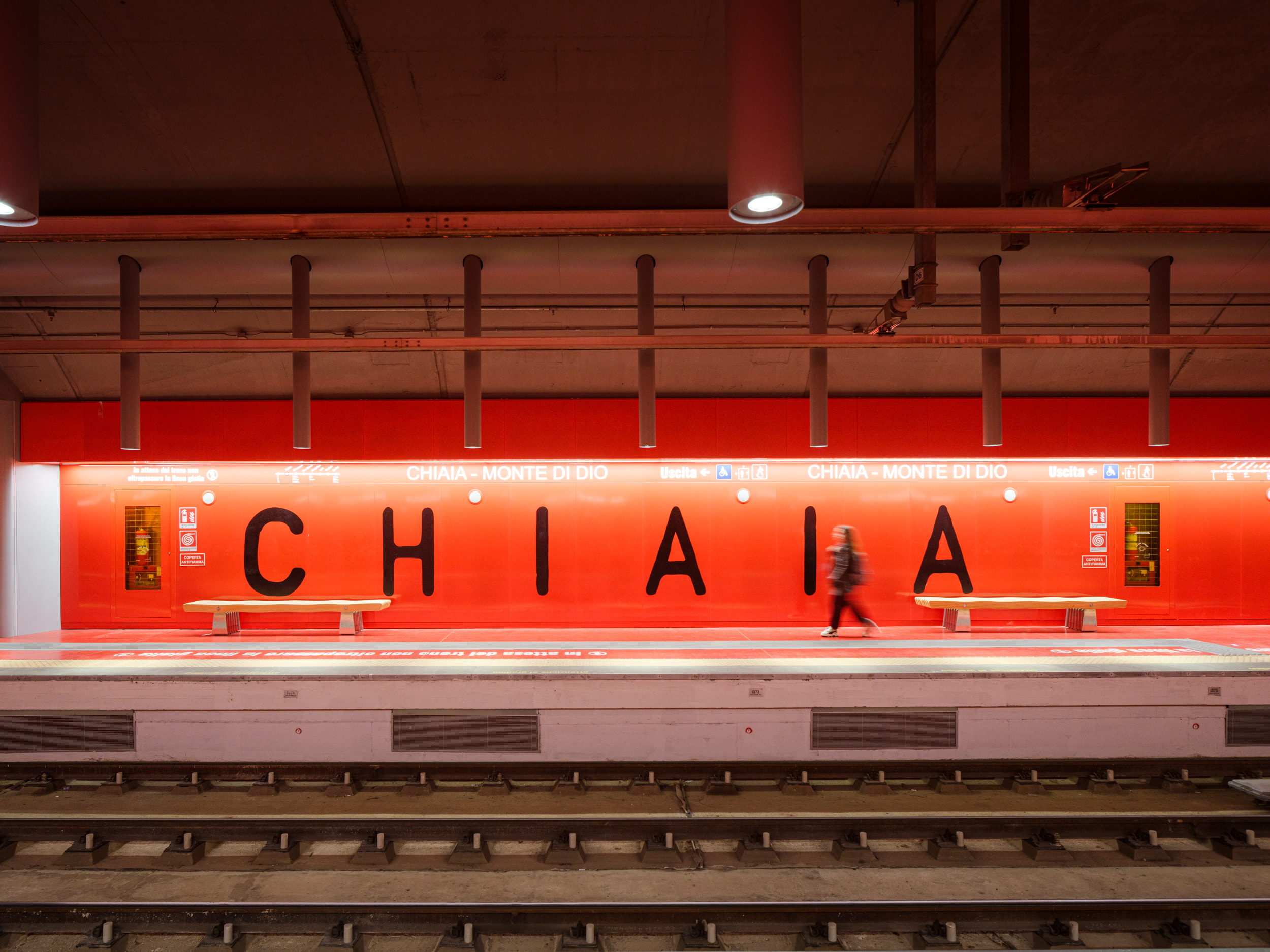
In the Chiaia project, natural light is a foundational element: the large oculus brings daylight deep into the station. How did you establish the dialogue between natural and artificial light to achieve perceptual continuity along the entire route?
“Perceptual continuity stems from a fundamental principle: artificial light does not replace natural light, but rather extends its language. The oculus, the heart of the architectural design, maintains a constant connection with the sky and serves as the reference point around which the entire lighting system is built. The zenithal light was treated as a living score, changing over time. This variability is complemented by a dynamic white lighting system, capable of modulating intensity and color temperature along the entire descent, without creating a disconnect between the exterior and interior. The result is a perceptual continuum in which the station never appears separated from the city: even at the deepest levels, a memory of the day, the sky, and the time remains. Light thus becomes the primary tool for orientation and the first form of spatial awareness.”
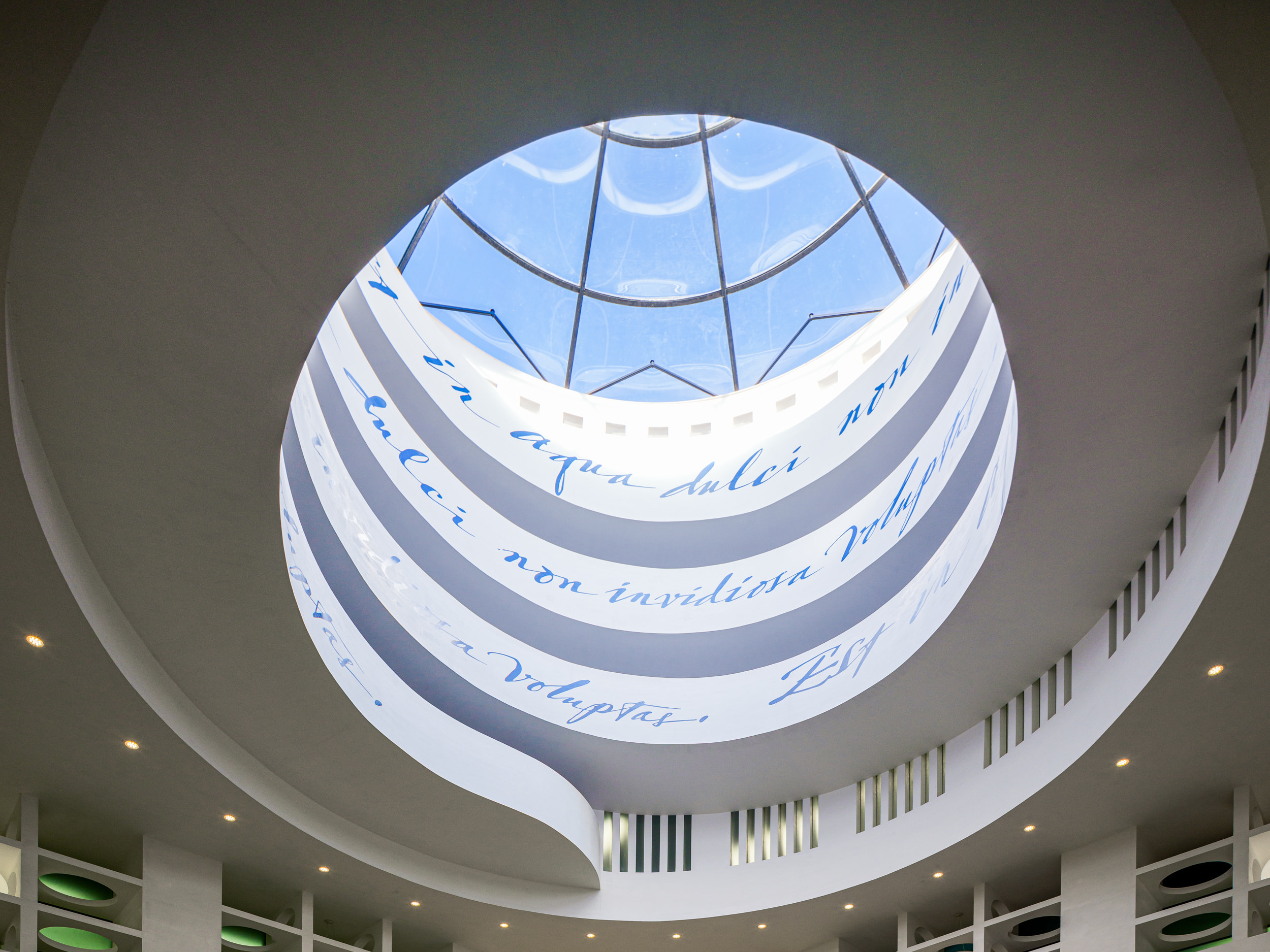
The lighting system you designed accompanies the passenger like a true spatial drama. How central has the narrative dimension of light been to your work?
“The project was conceived as a sequence of episodes: light marks the pace, intensity, and atmosphere along the route. The entrance, the descent, the deepest point, and the ascent are distinct moments, each with its own rhythm of light. The light never imposes itself, but accompanies the body, following its movement and constructing a continuous narrative.
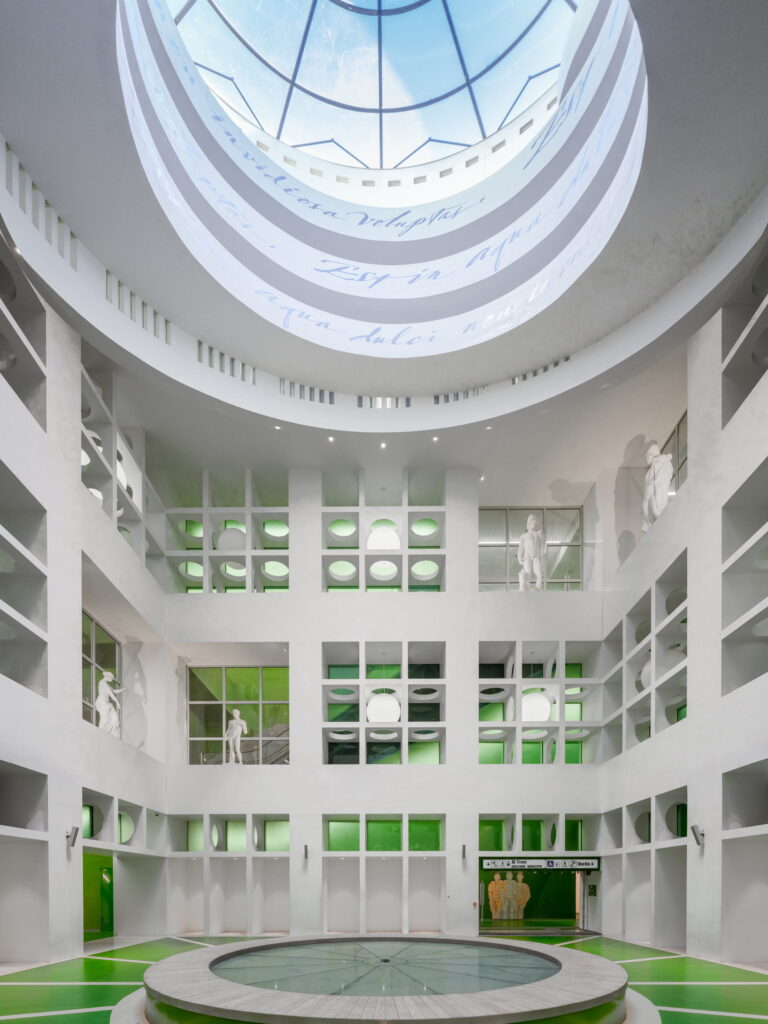
In this process, the influence of Peter Greenaway was fundamental: his way of thinking in terms of images, camera shots, and cinematic sequences helped structure the space as a story. Siola’s architecture and Greenaway’s art find in light an element of synthesis, capable of blurring the boundaries between disciplines. The narrative, however, never becomes a spectacle: the goal is to generate a sense of well-being, an immersive experience in which the passenger feels part of the space without being overwhelmed by it.”
A station this deep requires very precise control over orientation, safety, and visual comfort. What were the main technical challenges, and how did you address them through the lighting design?
“In this project, there is no separation between technology and poetry. The real challenge was precisely to bring together regulations, safety, and emotion into a single design gesture. In a complex, underground infrastructure like the Chiaia metro station, compliance with regulatory requirements is essential: illuminance levels, uniformity, and the legibility of emergency exits. But these aspects were not treated as isolated constraints, but rather as an integral part of the spatial narrative. Similarly, visual comfort—glare control, integration of light sources, and gradual adaptation of the eye—is not merely a technical matter, but a perceptual condition that contributes to the quality of the experience. Light is never put on display: it works on surfaces, integrates into Siola’s architecture, and becomes invisible. The management of natural light from the oculus introduces an additional level of complexity: its constant variability must coexist with the stability required by a public infrastructure. For this reason, a dynamic system was developed capable of constantly adapting the artificial light, creating a seamless transition between natural and artificial light. The key point is that safety, wayfinding, and storytelling converge. When they function together, they are no longer distinguishable: passengers move naturally, find their way effortlessly, and experience a space that is not only efficient but also meaningful. It is in this convergence that technology disappears and becomes experience.”
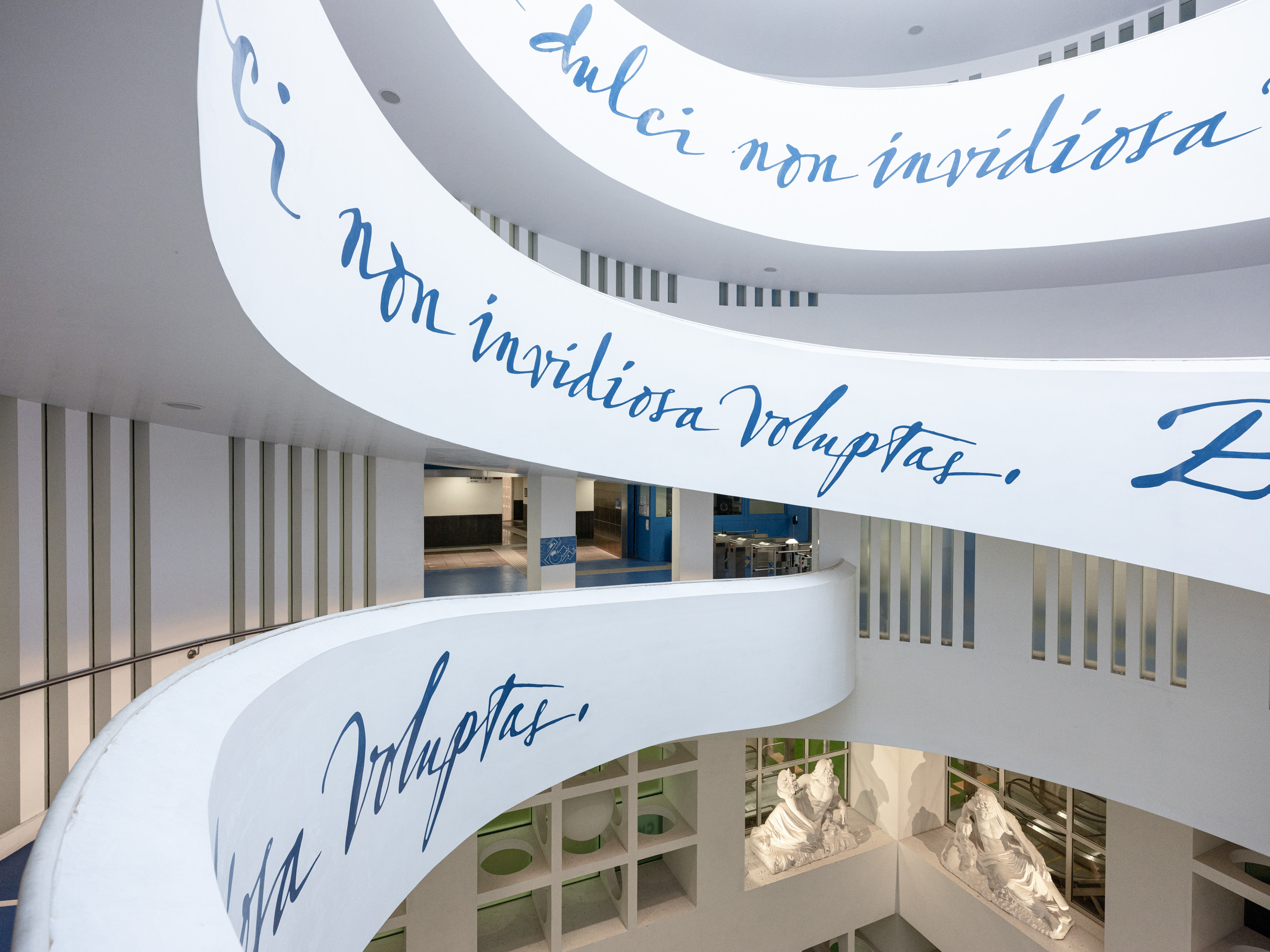
Contemporary stations are increasingly serving as “gateways to the city.” What is the role of light in shaping the identity and recognizability of these places?
“Stations today are true urban thresholds, and in this role, light becomes a decisive tool for building identity. It is the first element perceived—the one that immediately defines a place’s atmosphere. At the Chiaia metro station, the lighting design is deeply rooted in its context: it interacts with the light of the Mediterranean, with the stratification of the Neapolitan subsoil, and with the city’s cultural dimension.
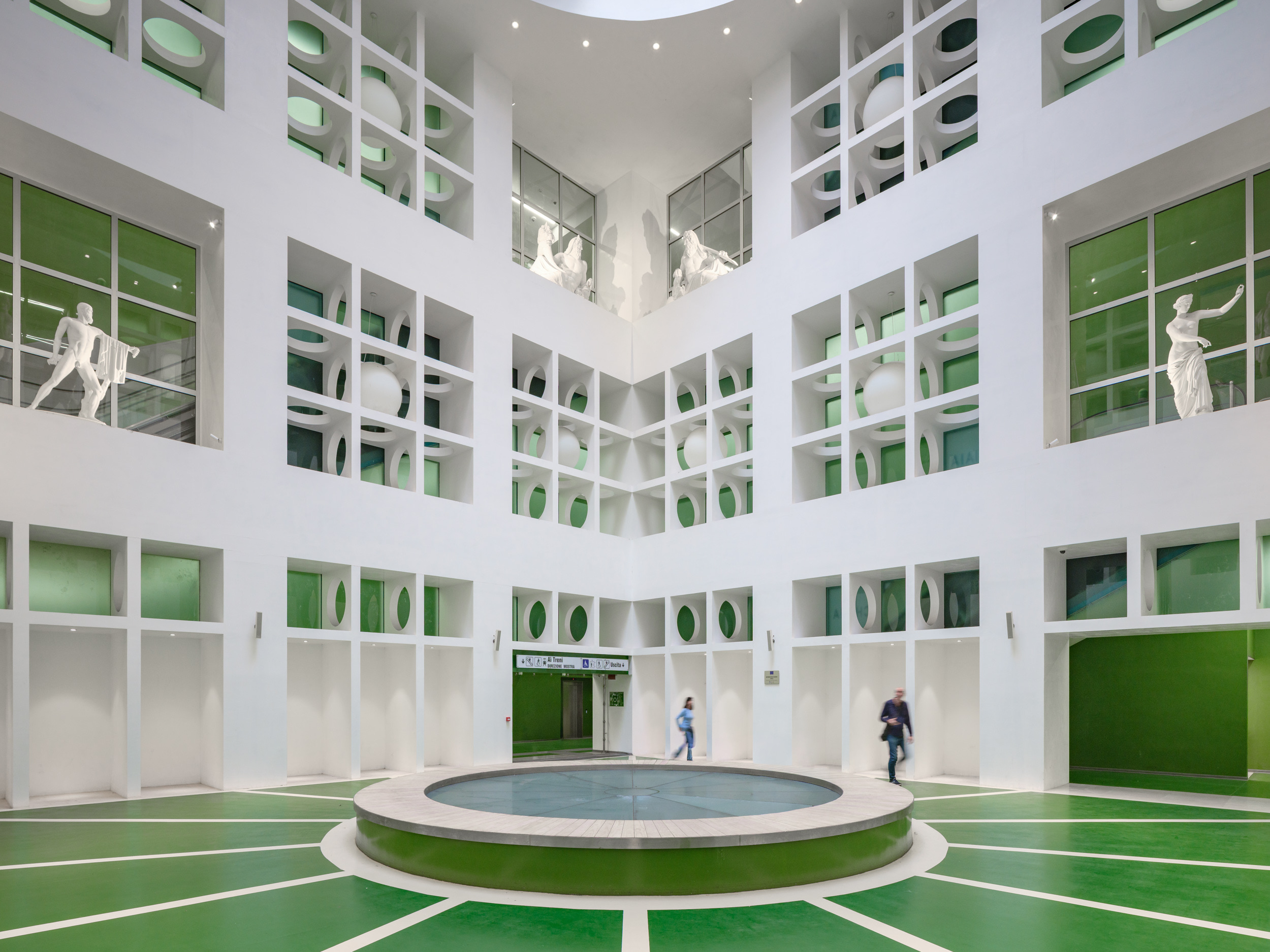
Each entrance to the station offers a different interpretation of its relationship with the city, reinforcing the idea of a multifaceted threshold. Light is not mere decoration, but an element of identity, capable of making that space unique. The lighting at the Chiaia stop could not exist in Milan or Copenhagen. It was born from this place, from this city, from this relationship between art, architecture, and memory. From this perspective, it also takes on civic significance: creating recognizable, high-quality spaces fosters a sense of belonging, respect, and care. Infrastructure thus becomes new public spaces, and light—more than any other element—emerges as an intangible infrastructure capable of binding communities and space together.”