Marcello Ziliani: designing means observing, listening, and improving
After graduating from the Politecnico di Milano with a thesis supervised by Achille Castiglioni, his career has always been rooted in product design. He has followed a dynamic yet reliable path, continually driven by the search for solutions that improve processes and empower the people who turn designs into real products.
How does lighting design change when neuroscience, environmental psychology and architecture come into
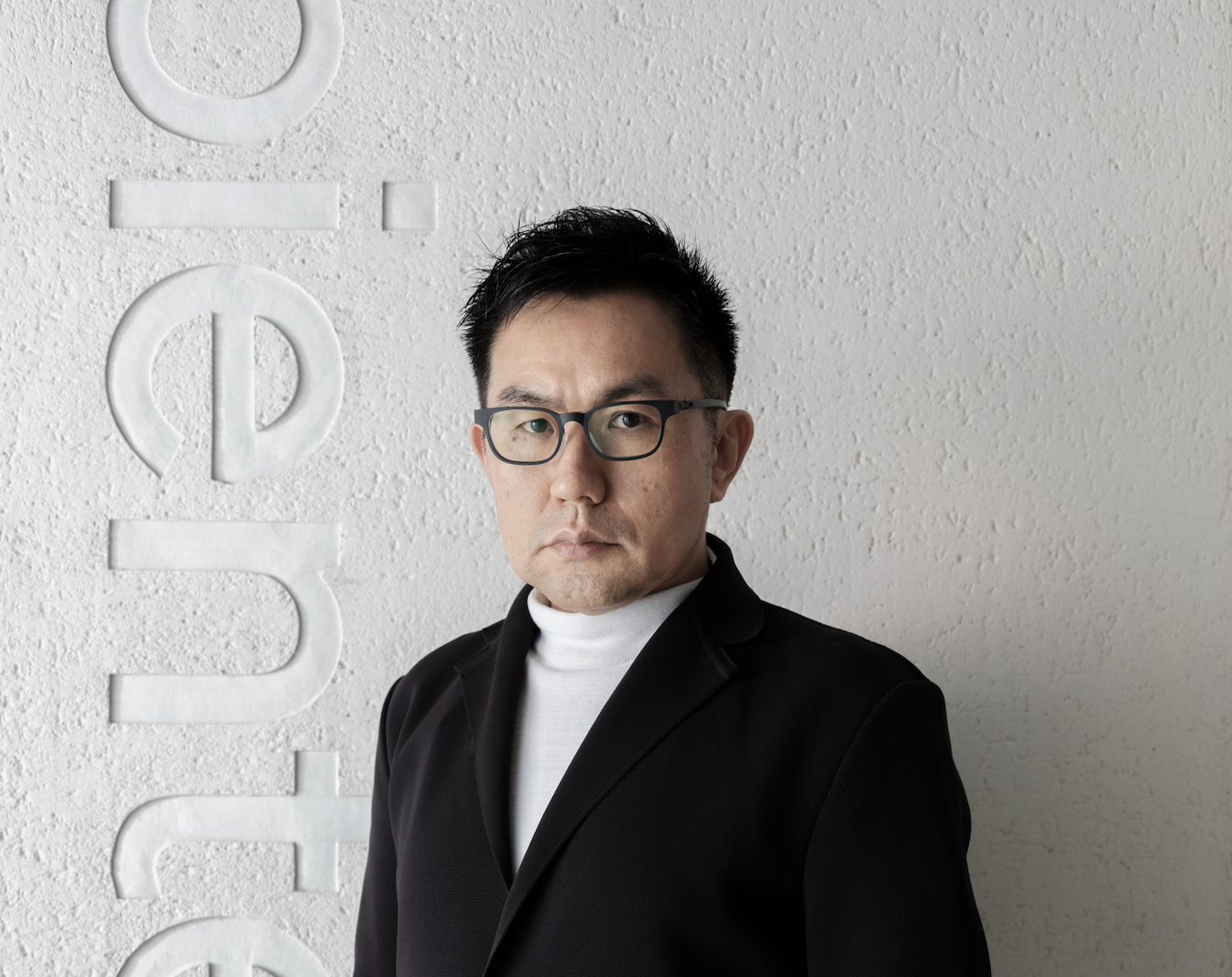
Photo by Studio Zetass
Architect and designer, founder of Studio Zetass in Brescia, Marcello Ziliani is a designer who remains steadfastly true to his principles of listening, respect, and curiosity. But he is also a dreamer, someone who uses his craft as a tool for analysis and growth, a springboard for never ceasing to ask questions. Ziliani views and interprets design as a responsible act, built on dialogue and clear rules, where innovation is both the driving force and the method of a design philosophy in which ethics come before aesthetics, and where attention to sustainability is a priority.
Through a critical and self-critical view of modern skills, throughout his long career he has skillfully navigated projects in furniture, lighting, bathroom furnishings, and office design, while also engaging in art direction, design coordination, installations, communication, and teaching—first at the University of Design in San Marino and later at the ITS Academy Machina Lonati in Brescia.
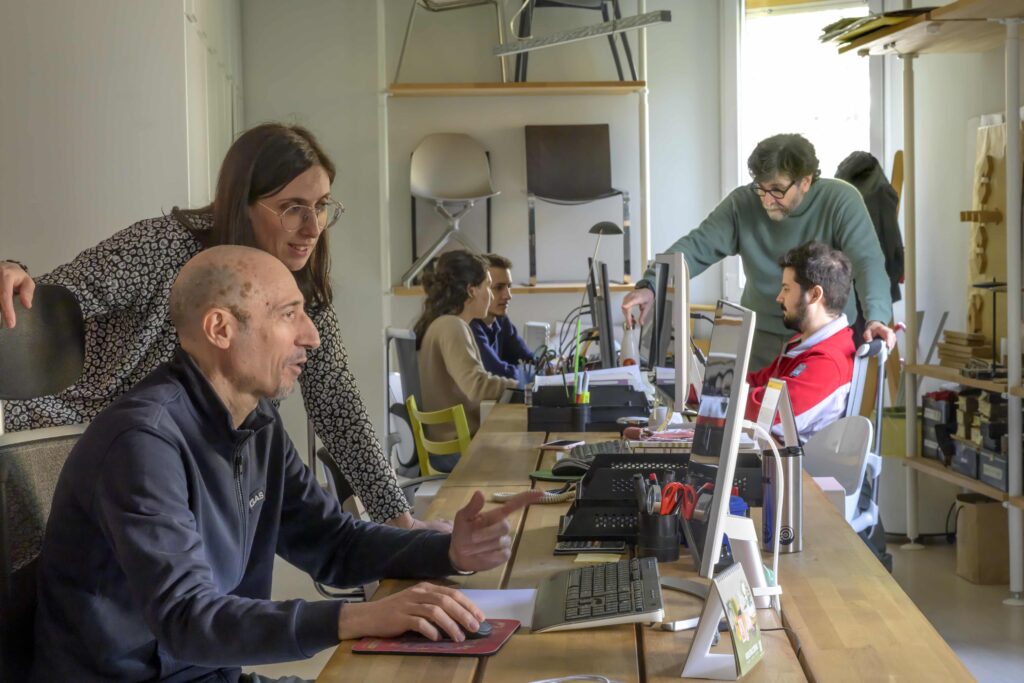
Marcello Ziliani in his Brescia studio with his team. Photo: Studio Zetass
Achille Castiglioni served as your thesis advisor in 1988: how significant was his presence, and what—if it can be translated into words, gestures, or meanings—did he teach you?
“Along with my father, Achille Castiglioni was certainly the person who shaped my way of looking at design. His ironic, curious, disenchanted, and ‘childlike’ approach was an unparalleled reference point for my education. So was his seriousness: he never missed a class, always arriving early, pushing—time and again—a cart loaded with the many objects he would describe in class, recounting their strengths and weaknesses, the most intelligent and innovative ones as well as the ‘pisquanate,’ as he called them. I saw him wear glasses with windshield wipers on the lenses, simulate a conversation with a distant comrade using a massive field radio that looked like it had just stepped out of a scene from Apocalypse Now, fall off the lectern while demonstrating the features of a folding chair from up there, and reappear by hopping out from behind like a grasshopper, saying, “All right, all right!”
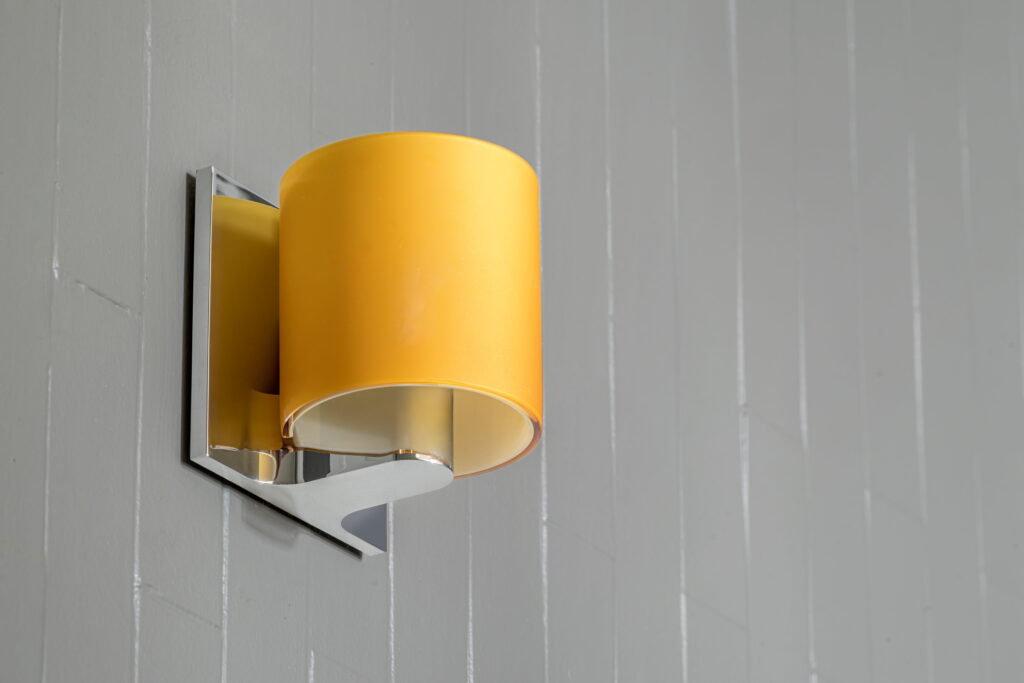
Tilee, Flos. Photo by Studio Zetass
You can just picture him, with that smile, as he captivates his students…
“He really taught me a lot, partly because I was lucky enough to take two courses with him and then have him as my thesis advisor. From him, I learned that before starting to design, it’s essential to look and understand, to immerse yourself in the context; he used to say, ‘observe behaviors.’ It wasn’t until much later, when the design thinking method became widespread, that I realized how far ahead of his time he was.
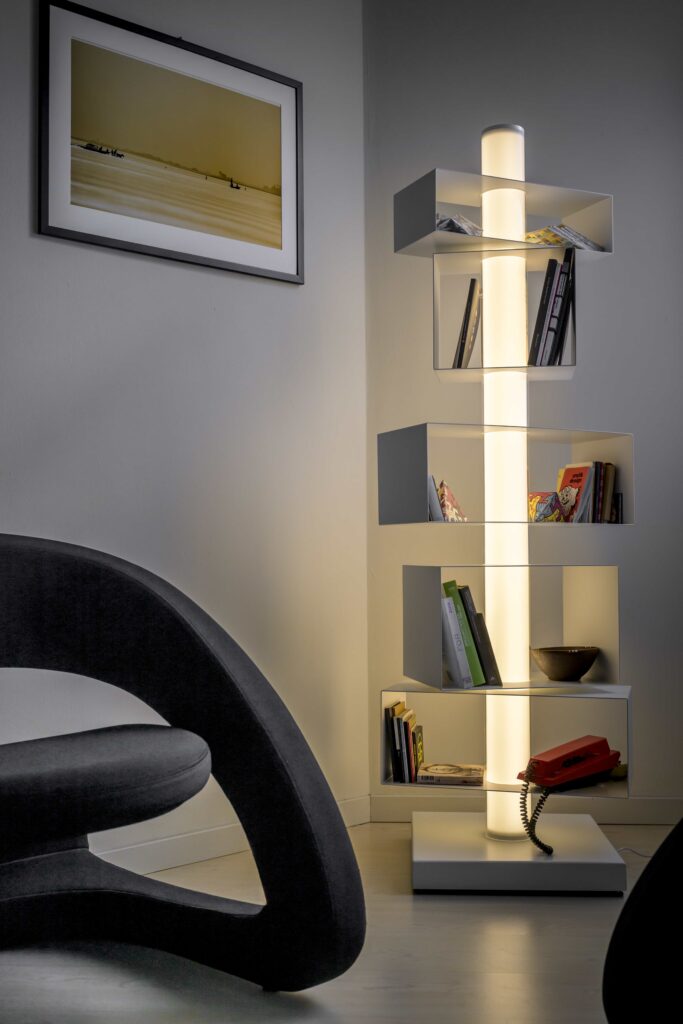
Twist and Light, Natevo - Flou. Photo by Studio Zetass
And he instilled in us the concept of always identifying “the main component of the project,” which for me today means always asking “why?” about what we’re about to tackle.”
What does “agile manufacturability” mean today, in the age of AI and high levels of consumerism?
“It’s a concept I feel particularly aligned with in my approach to design, as well as the phases that lead to its transformation into a product. In practice, it involves an iterative and flexible approach—one made up of successive evolutions where we can continually verify the process’s effectiveness through testing and stages, in constant dialogue with production constraints and feedback. Not, therefore, the completion of the entire project (to be submitted for validation once finished) before moving on to production, but a continuous cycle of prototyping, testing, modifications, and new versions—in other words, a sort of progressive production verification.”
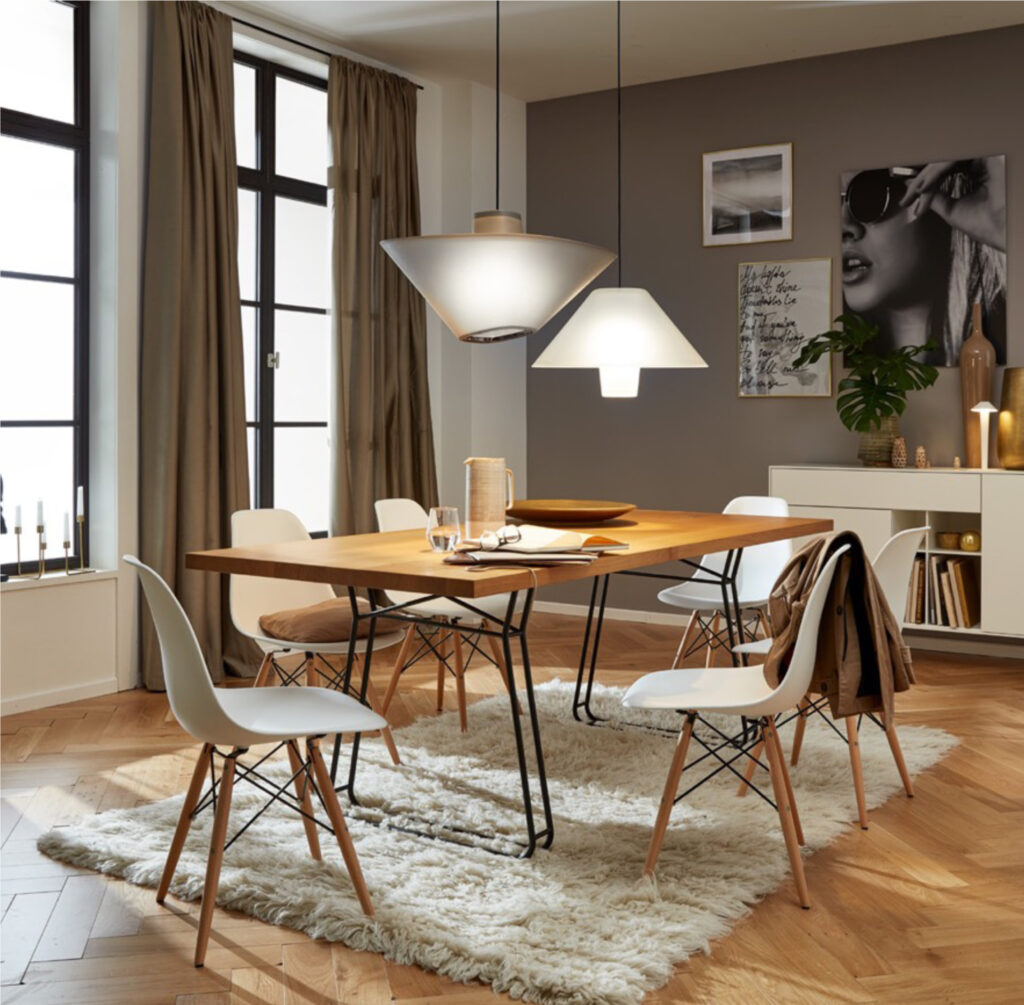
Rever Collection, Wever&Ducret. Photo by Studio Zetass
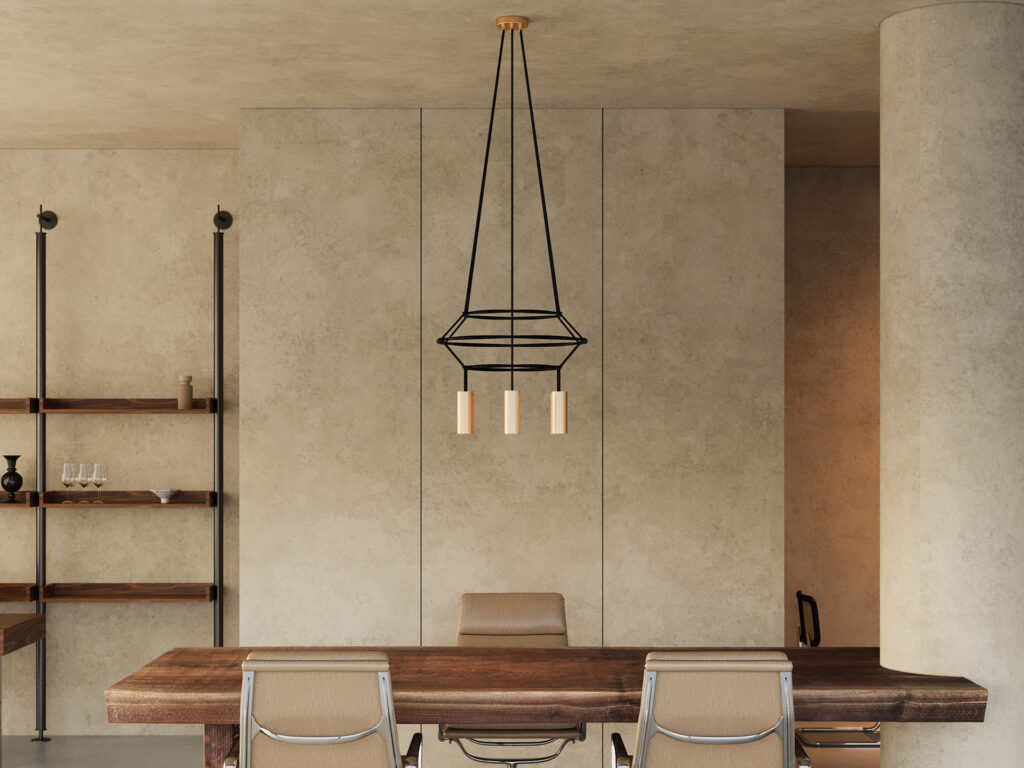
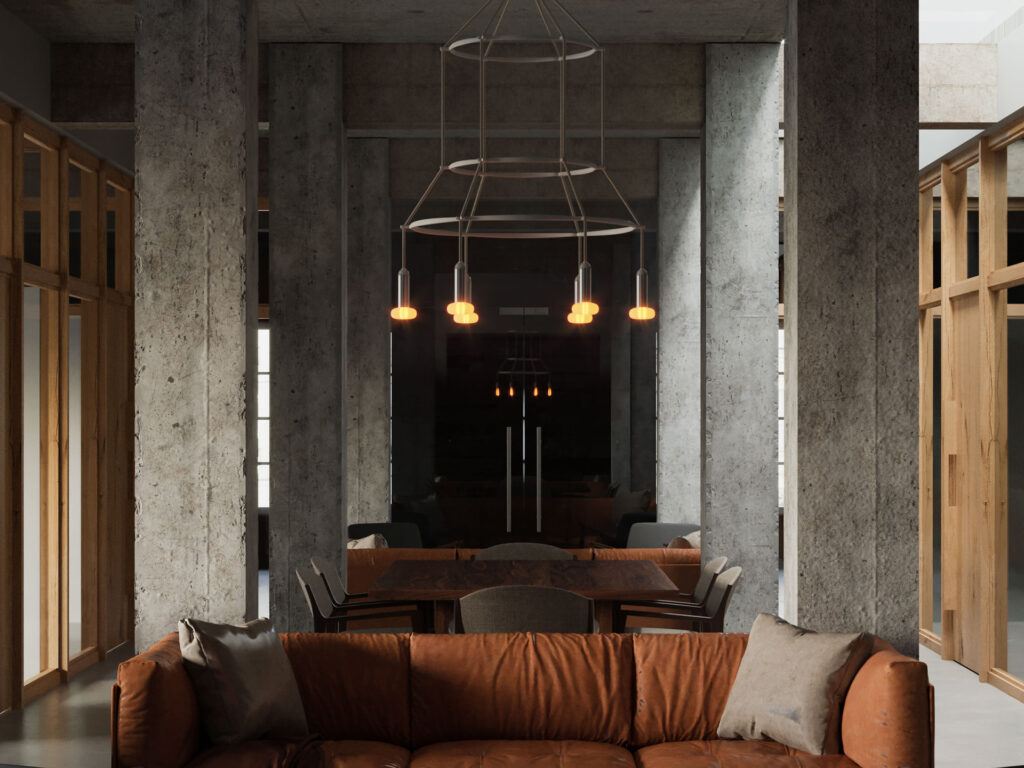
A process that, however, cannot take place without a deep knowledge of materials and production techniques; one in which there must also be a certain flexibility in know-how. In all this, I am thinking, for example, of Cage (2022), a natural evolution of the Creative Cables project, in which the possibility of creating lighting objects endowed with formal quality and expressive value stems precisely from their primary constituent elements, such as cables and light bulbs.
“Exactly, just as there must also be a sincere openness to dialogue and collaboration with the technicians and suppliers of the companies with whom the project is being developed. Materials, costs, technologies, and timelines are not “final” constraints, but rather enter immediately into the creative process, which evolves through short cycles of design, verification, and improvement—a process facilitated today by simulation and prototyping tools that are increasingly sophisticated and reliable, such as rapid prototyping and the ever-greater effectiveness of AI tools.
Cage, Creative Cables. Photo by Studio Zetass
This makes it possible to avoid costly errors (both economic and environmental), reduce waste, simplify components—including by eliminating unnecessary production steps—and promote product longevity, ease of maintenance, reuse, and, as far into the future as possible, disassembly and recycling.”
Cage, Creative Cables. Photo by Studio Zetass
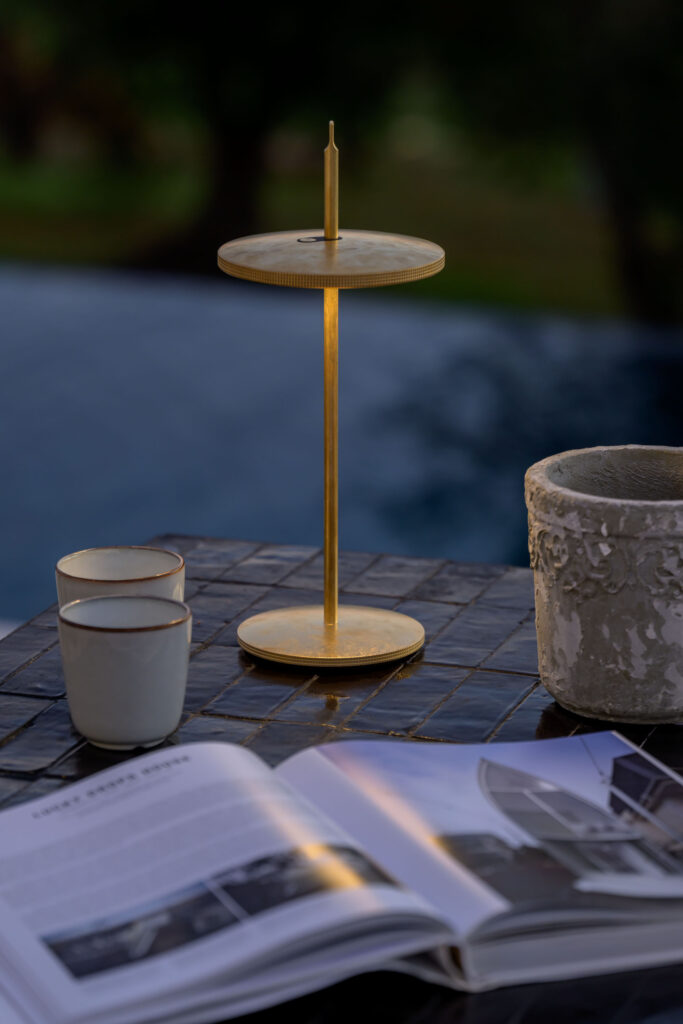
Your rechargeable Thaïs lamp (Platek, 2025) is the result of a deliberate design decision: not to protect its brass surface, allowing it to take on a more weathered appearance over time. In an era where aging is almost forbidden, this is an interesting choice. Tell us about it.
“It seems to me that, in reality, the desire for eternal youth is somehow inherent to human existence—see myths like Medea, the nectar of the gods, the apple of the Hesperides, and so on.
Thaïs, Platek. Photo by Studio Zetass
What has changed over time is that increasingly sophisticated tools have become available to realize, at least temporarily, this ancient dream, whether they be medical, surgical, or simply virtual.”
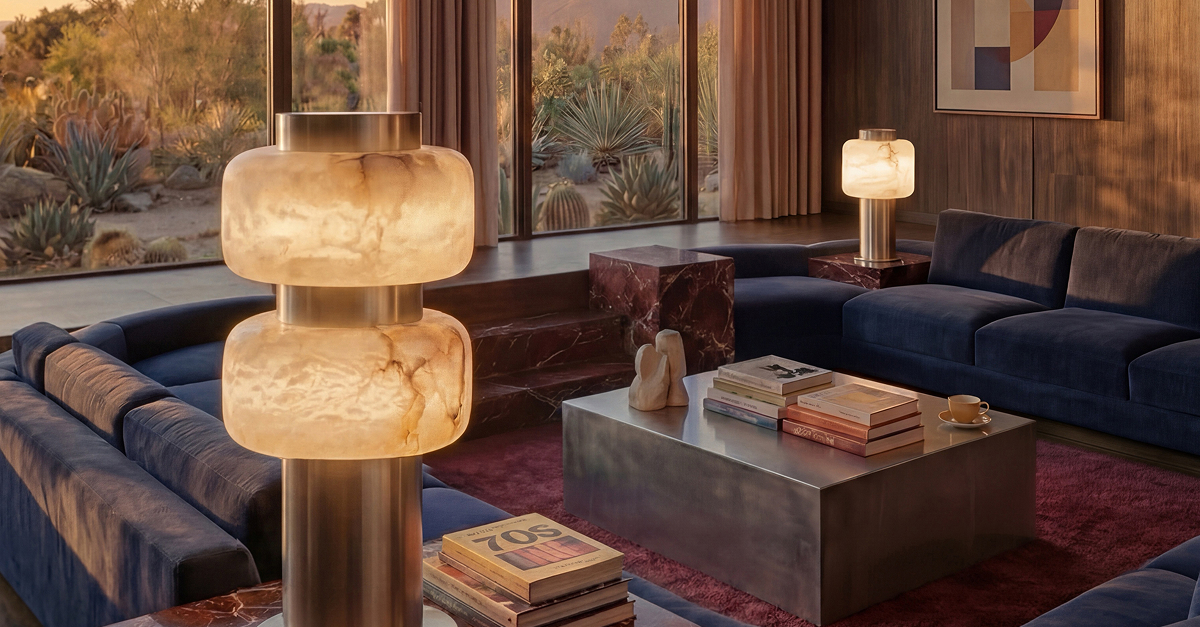
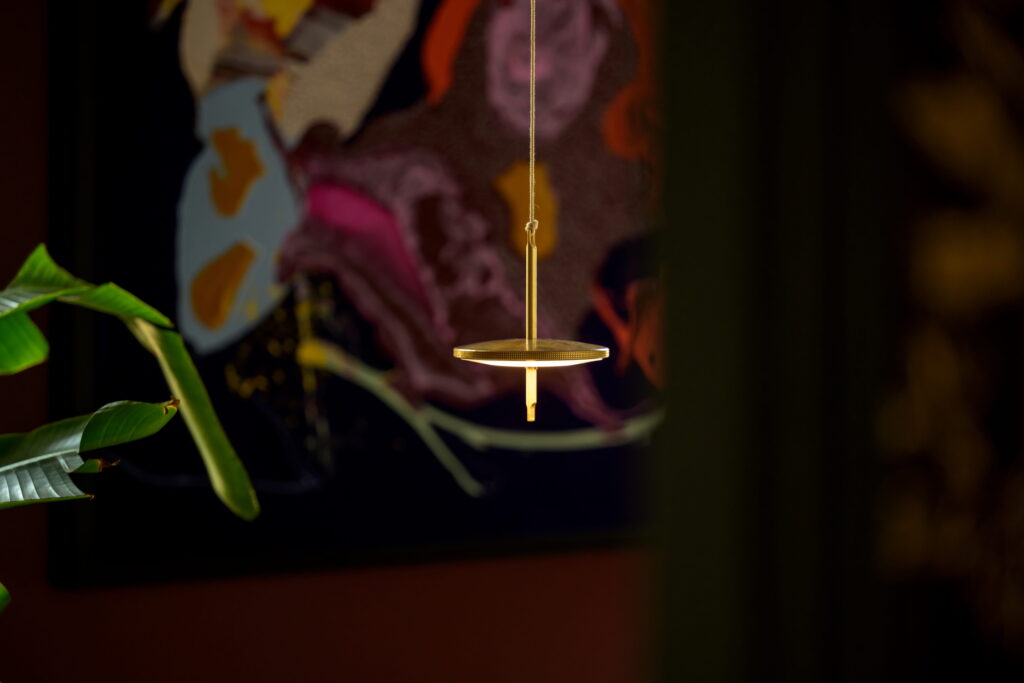
In the case of Thaïs, I enjoyed upending the norm, creating a product that, conversely, changes and transforms over time, acquiring a patina that reveals its history and lived experience. Solid brass, machined from solid stock and treated with a stone-washed finish that gives the surface a vibrant quality, takes on an increasingly pronounced patina over the years, bearing witness in a way to its—and our—history. Its aging is not something that detracts from or diminishes its appeal; on the contrary, it adds charm and depth.”
Thaïs, Platek. Photo by Studio Zetass
Returning to the concept of hope, of desire: is there an idea you haven’t yet realized but would like to bring to life?
“I really do have a dream, and that is to one day design for the nautical world. It’s a sector I find utterly fascinating: the sea, the lake—these are environments that take on a totally different character when experienced ‘from the water.’ I’m interested in the “popular” sector (if you can call it that), that is, small recreational boating—certainly not accessible to everyone but to many—where it would be incredibly useful to provide functional, effective, and sustainable solutions to numerous problems.”
Do you have a project to share?
Atmosfera is an open space for dialogue. If light plays a key role in your research or a specific project, we’re ready to listen. We feature lighting design projects, art installations, photography series, and stories that explore the narrative potential of light.
Send us your portfolio or tell us about a project you care about. It could become part of our editorial programming—or spark a new collaboration.
Architect and lighting designer Alessandra Reggiani discusses the new lighting project for the Vatican Necropolis, carried out by Osram and Zumtobel, balancing...
How does lighting design change when neuroscience, environmental psychology and architecture come into dialogue? On 27 October 2026, at Roma Tre University,...