
Photo courtesy of Vitra
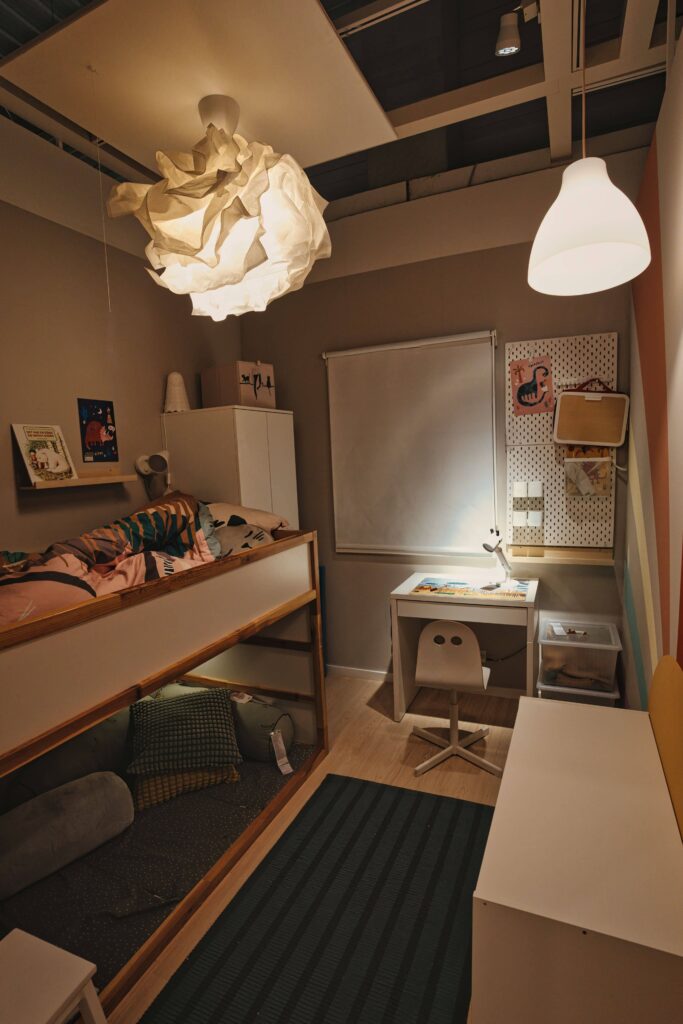
When parents come to furnish a room for their children, what they want is an environment that is welcoming, healthy, and functional, and able to adapt over time to the different stages of a child’s life. One fundamental question, of course, is how to light a child’s room, because light shapes the way a space is lived in—and, well designed, it also helps with rest and concentration.
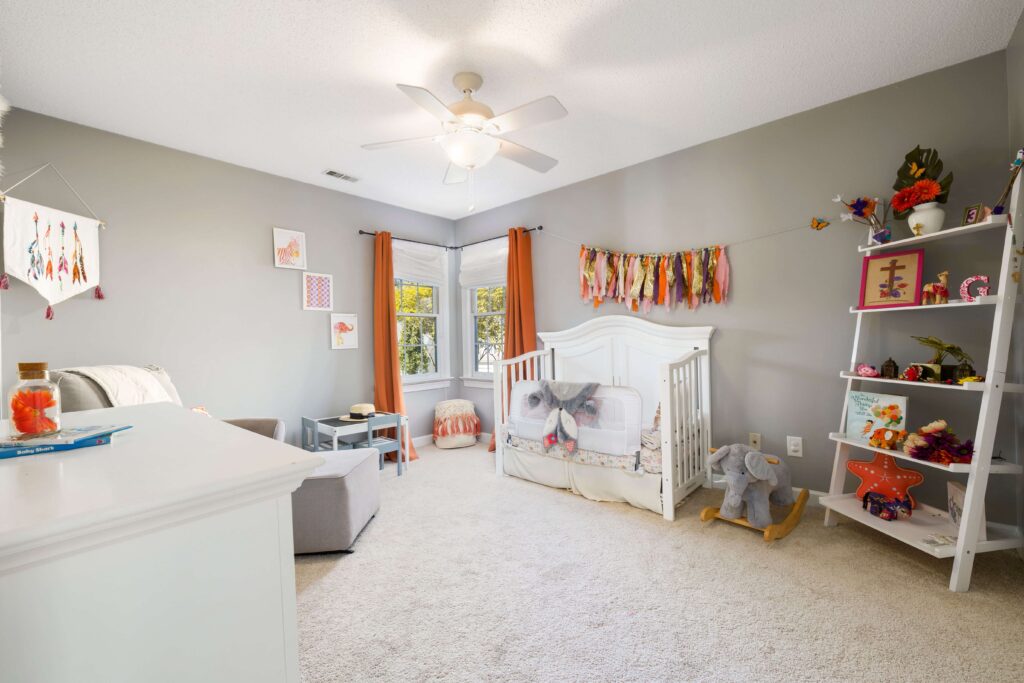
Everything starts, of course, with a source of natural light: a window or a French door, screened with a light curtain and never blocked by objects or furniture, so the sun can pour in.
Then comes artificial light. Choose fixtures in keeping with the design and style of the room (playful options included, especially in a child’s early years) and solve three essential points: ambient light, light for studying, and light for falling asleep or reading in bed.
How to choose the ambient lighting
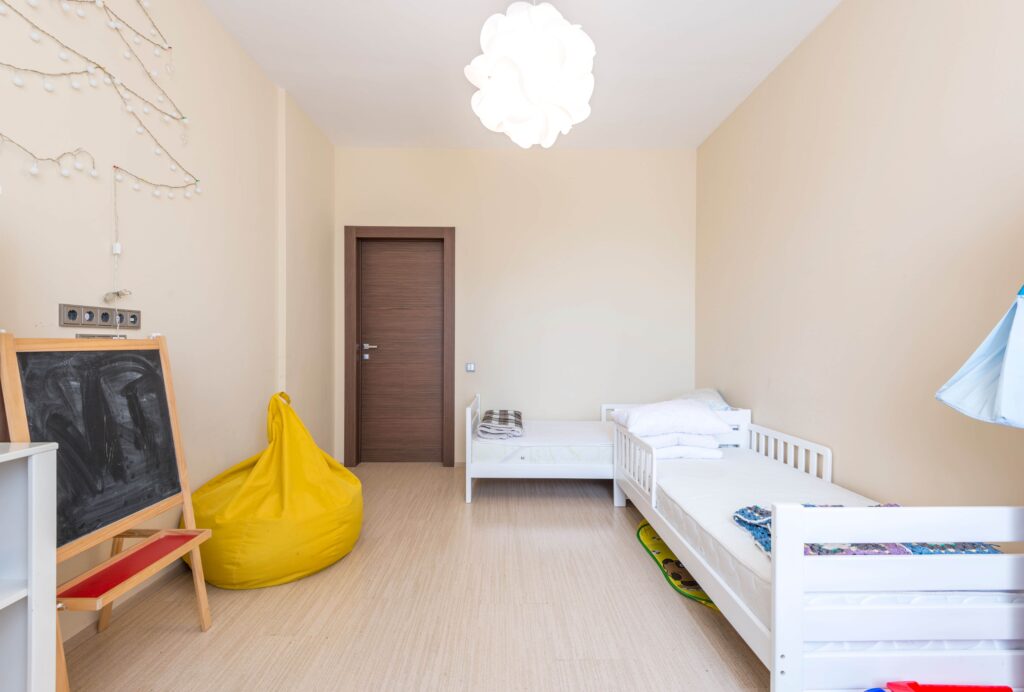
To light a child’s room properly, creating a safe place where they will spend most of their time at home, it is worth planning a central light source. A chandelier, a ceiling fixture, or even track lighting (if the mood of the home is particularly modern and pared back) all work well. The extra tip: choose dimmable sources, so the light output can be adapted to different needs and moments, and opt for a warm color temperature.
Lighting the desk
There is always a small study corner in a child’s bedroom—a desk or a broad shelf where they can do homework, draw, or use the computer. To light it, a table lamp is enough, ideally one with an adjustable arm. The extra tip: position it on the side opposite the dominant hand, so no shadow falls across the page while they write.
Lighting the bed area
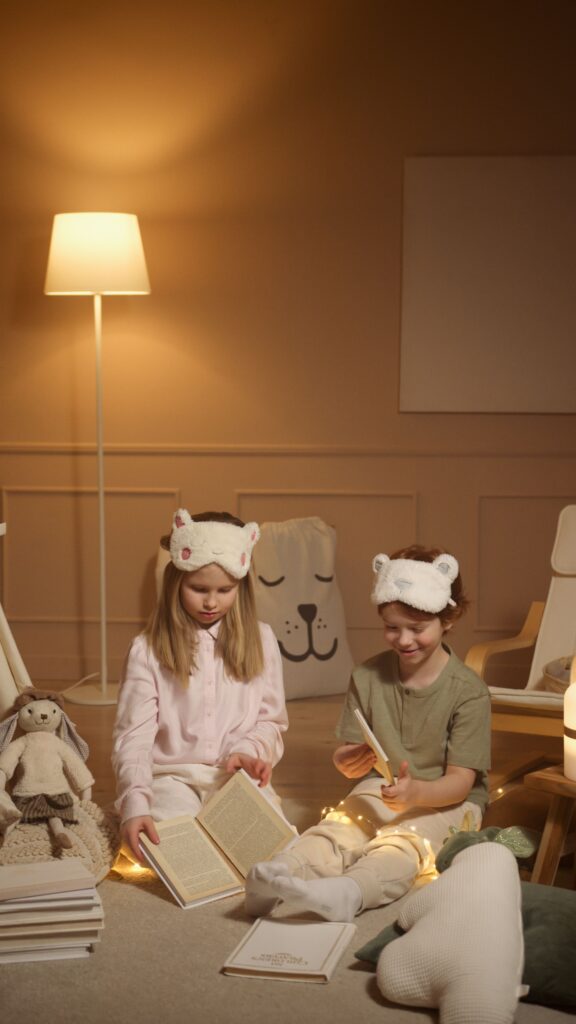
Children are often afraid of the dark and, in their first years, struggle to fall asleep without a small light on. So, to plan the lighting in a child’s room well, buy a bedside lamp that isn’t too strong, or a dimmable one, that can carry them off to sleep without disturbing the wind-down. There are also timer-controlled options on the market or, for the very young, lamps that project figures onto the walls and ceiling, a starry sky for instance. As the child grows, the light beside the bed also has to work for reading, so plan a “backup” wall sconce next to the headboard, or a new, “grown-up” lamp.