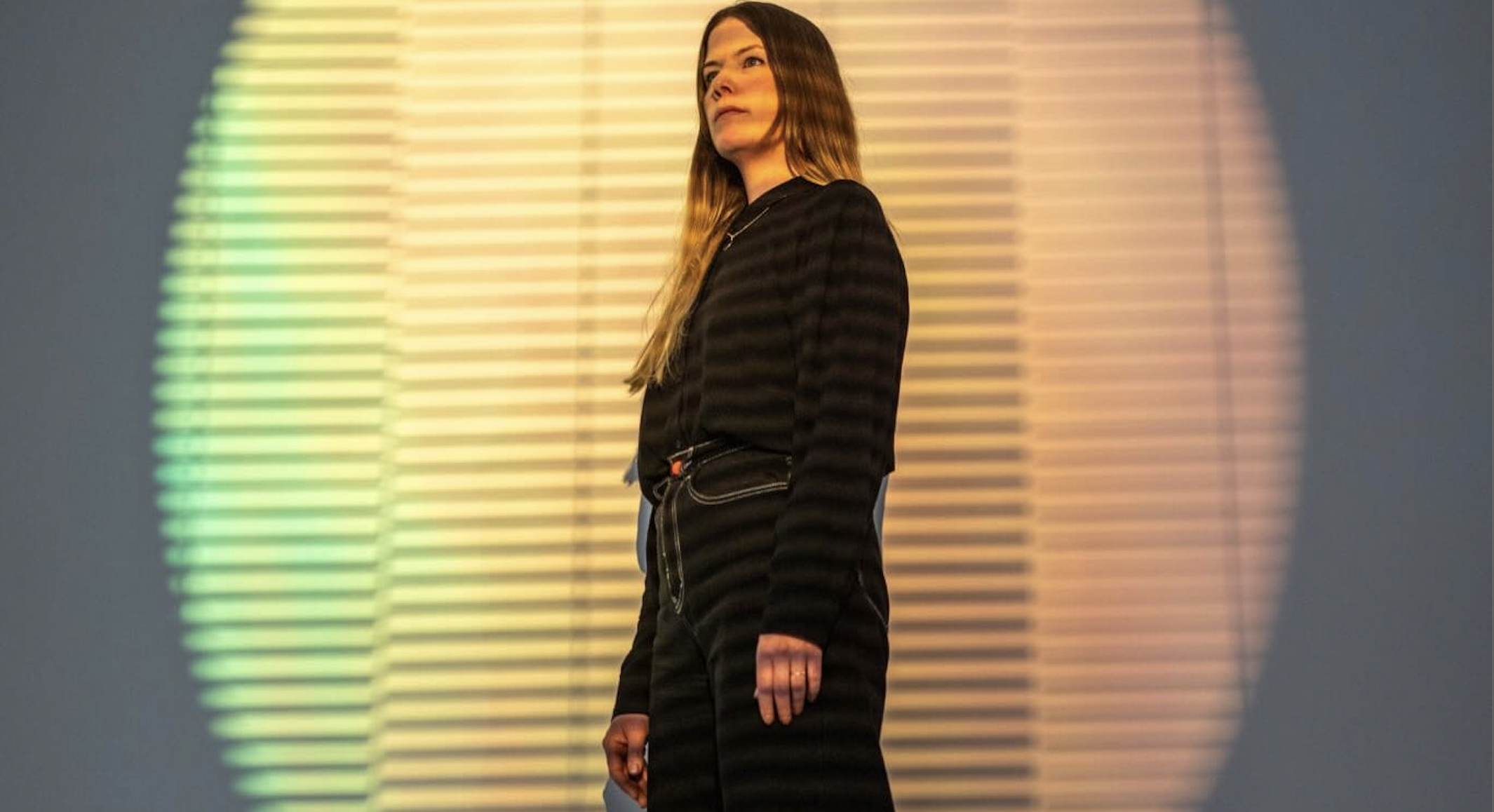
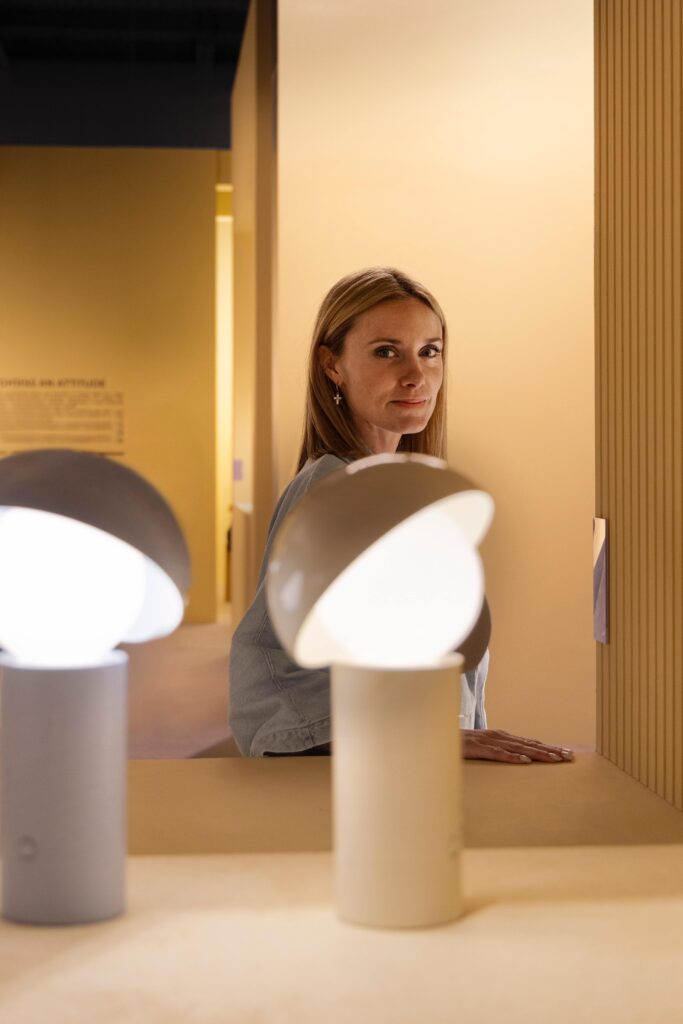
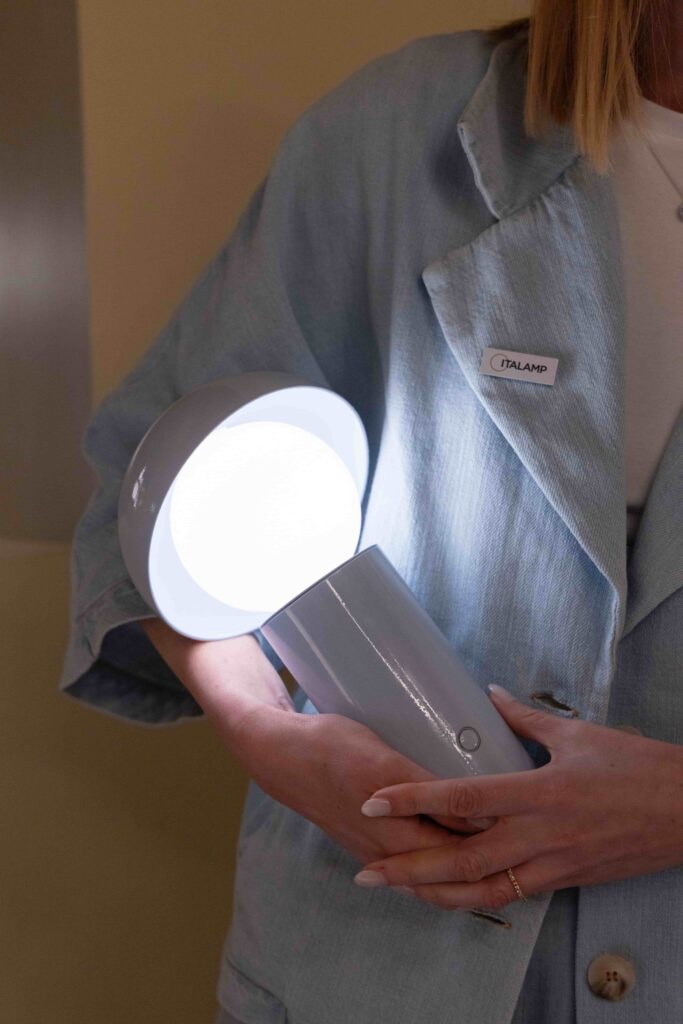
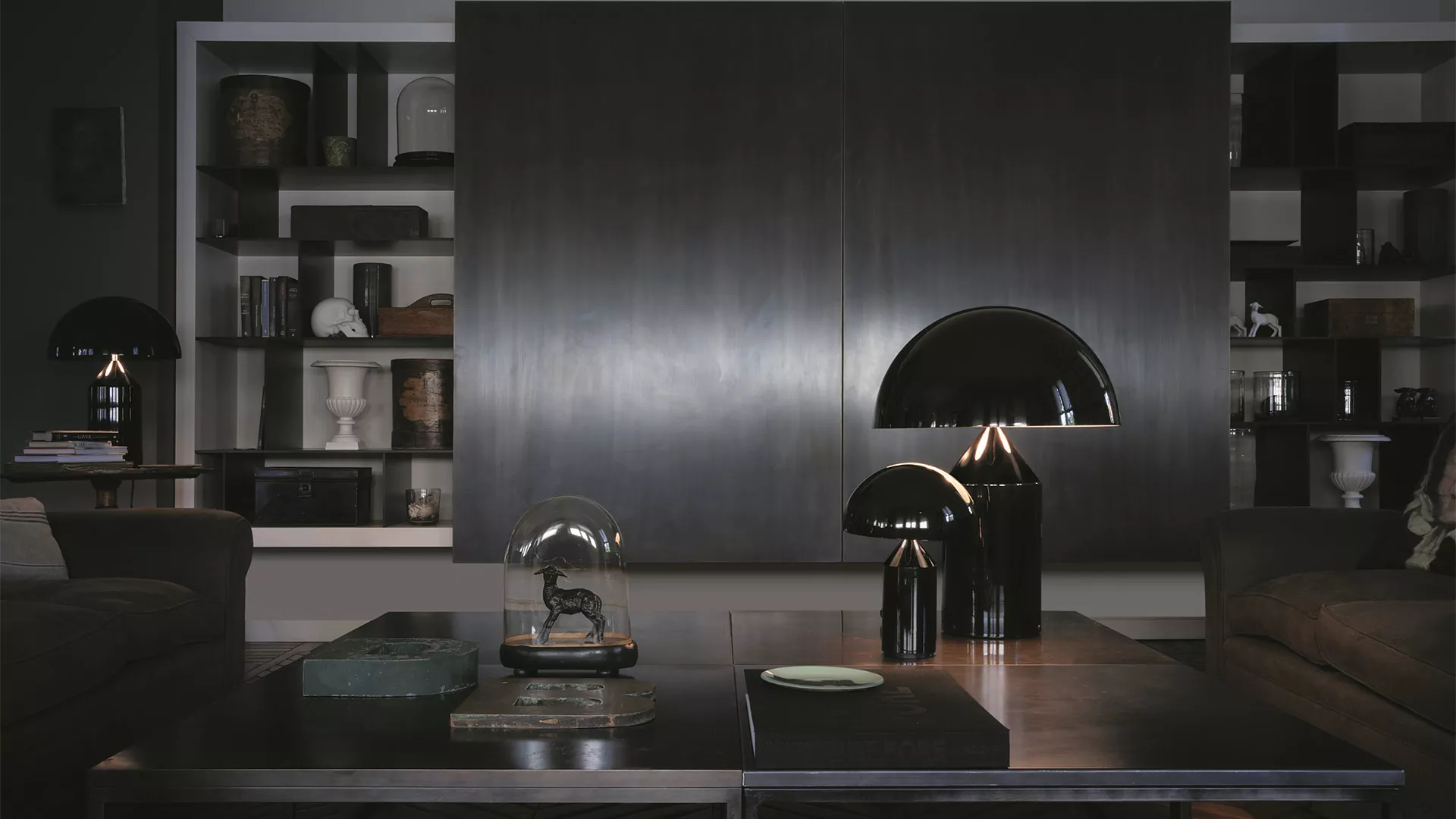
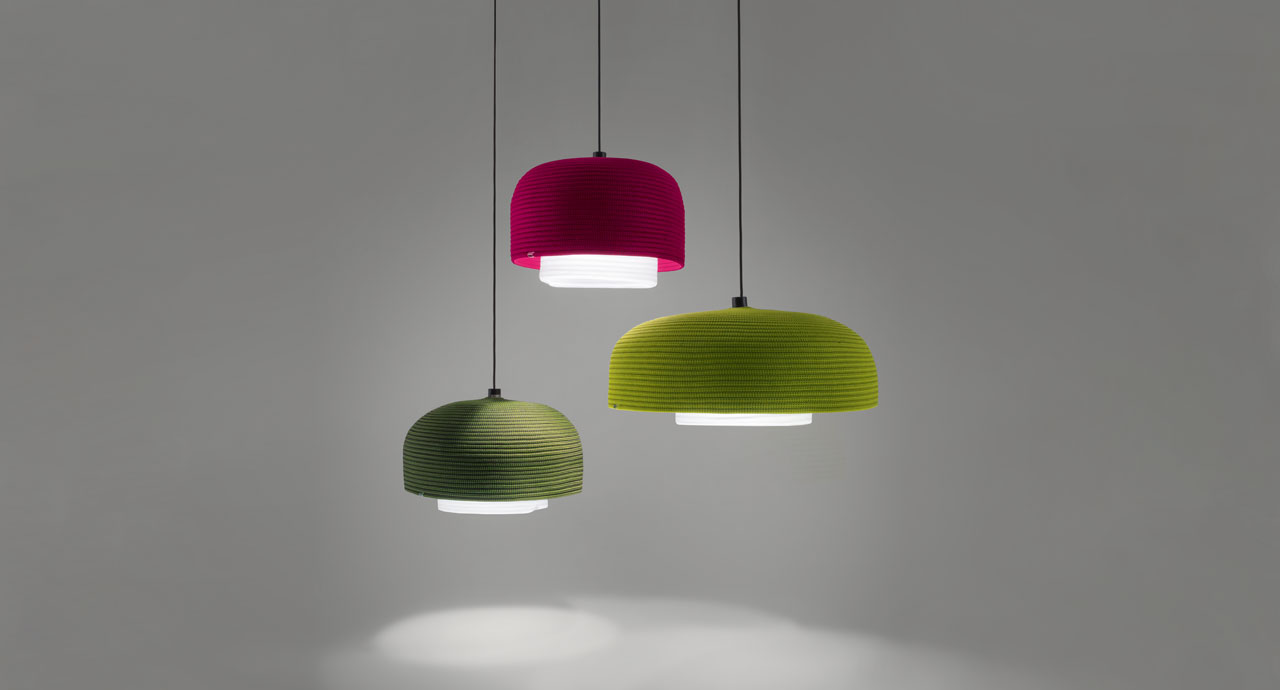
Born in 1992 in Pisa, Virginia Cei is still young—but far from inexperienced. After earning a diploma in industrial design at an art high school, she gained experience in Italy and abroad in the field of artisanal furniture production. Today, she continues her professional path in decorative lighting as a designer for Italamp.
Between young designers and masters, masculine and feminine, colorful and grayscale, design often tends to rely on “labels.” I would instead like to leave behind any form of confinement and ask you: what is your definition of design?
«For me, design is neither a label nor a category to fit into; it’s a way of observing and caring. It’s about designing something that improves the life of the person who uses it—even quietly—through the right proportions, materials, and thoughtfully conceived light.
Sometimes being told, “You’re still too young, you lack experience,” makes me sad, because it can become a constraint. It risks extinguishing enthusiasm—that vital energy that drives you to ask questions, experiment, grow… In reality, learning never stops, at any age. In a world that moves this fast, exchange between generations is essential: younger designers bring momentum, new sensitivity, and speed of interpretation; those with more experience bring depth of method and vision».
What do you enjoy about being a designer?
«The fact that this job forces me to stay curious and present. I love stimulating creativity and listening, observing. One thing I particularly enjoy is exploring where the proposals from external designers we collaborate with at Italamp originate—it helps me understand what we truly communicate as a company and how we can improve.
Every project that arrives is a mirror: it tells us who we are and where we can go. Every lamp is a life story—the designer’s, the company’s, and the person who will use it. It’s this intertwining that makes me feel part of something that grows, evolves, and continually surprises».
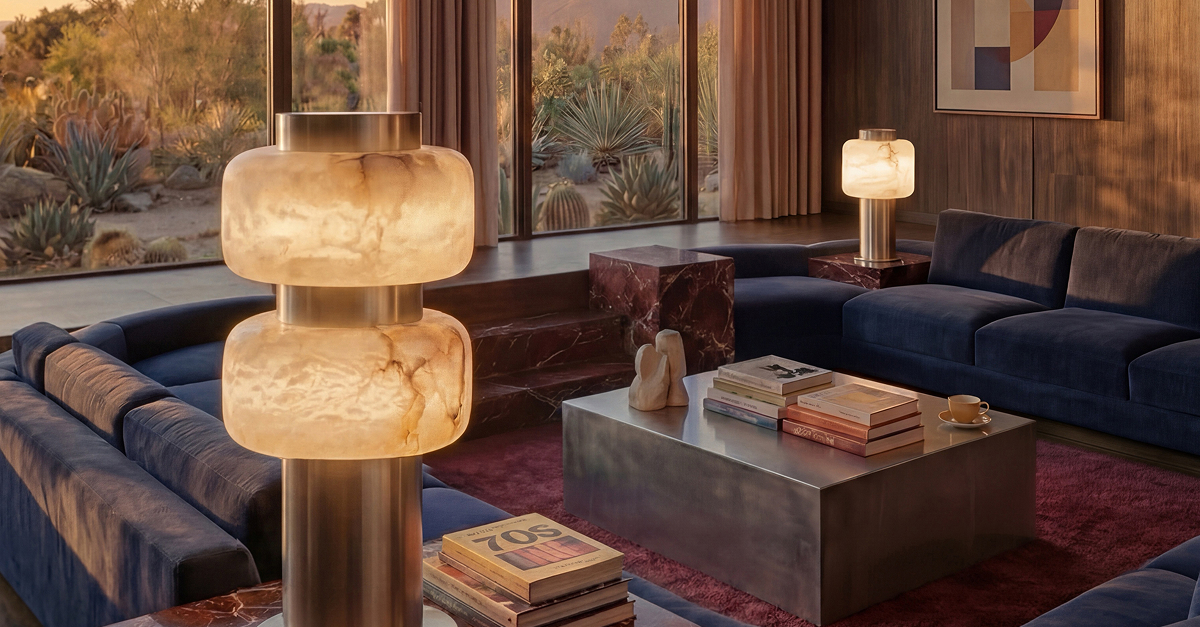
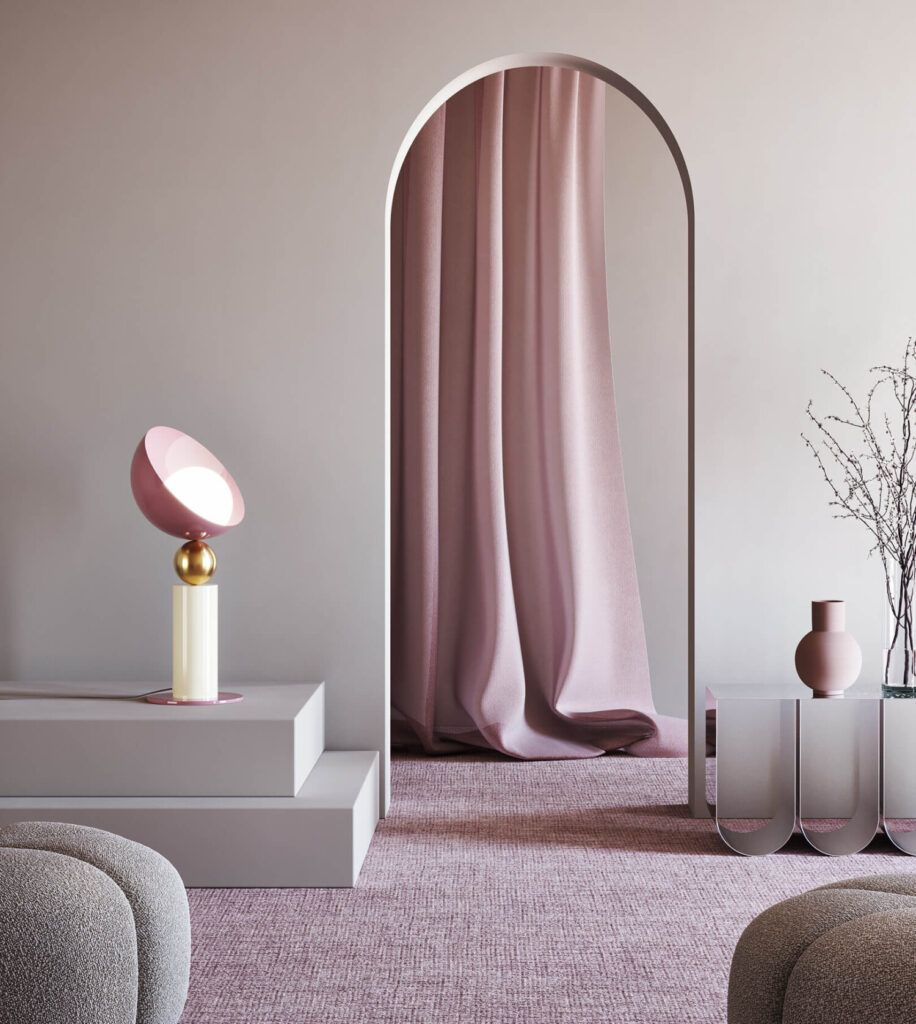
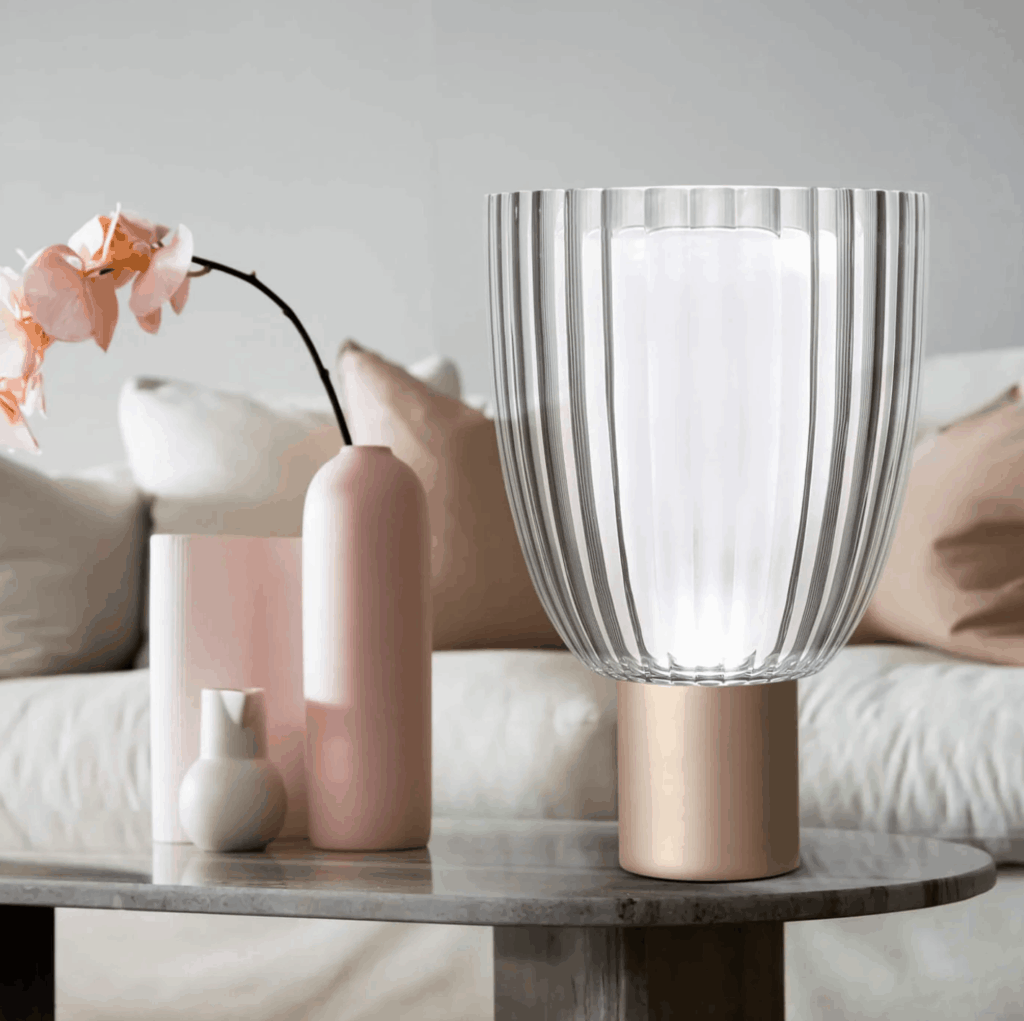
Her table lamp Universale, along with the Gocce and Aurora collections, is a successful design produced by Italamp. Can you tell us about their origins and the story behind them?
«These collections reflect three different moments in my life, and I think that’s why they carry such personal strength. Italamp believed in my ideas from the very beginning: designing for a company with fifty years of history means walking within a living tradition made up of technicians, artisans, designers, and people who deeply understand this material.
Universale was born from a creative explosion I had carried within me for a long time—an emergence that came naturally after five years spent in Doha. That experience changed me profoundly; it exposed me to different cultures and rhythms, and above all to myself. There, I truly understood the meaning of universal love—something that transcends forms and belongs to everyone. The Tuscan crystal at the heart of Universale is no coincidence; it’s a direct link to my homeland, a way of bringing home what I had learned far away.
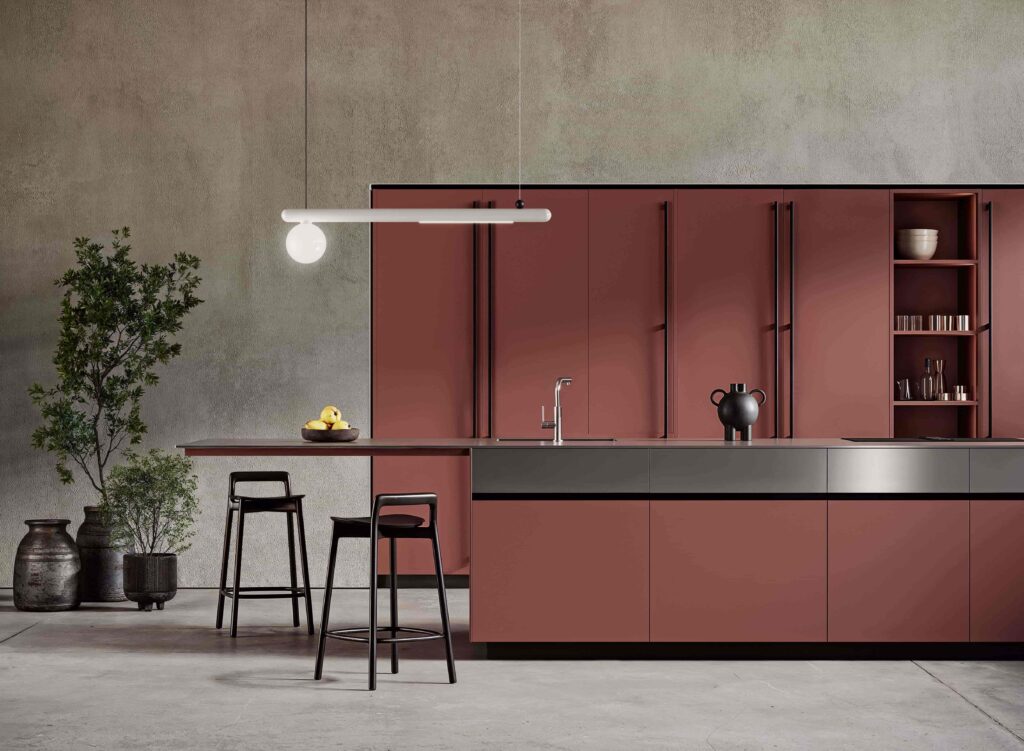
Aurora has a more intimate, almost secret genesis. It was born while I myself was changing—before I fully realized I was expecting. This collection carries that new delicacy, that light of a beginning, like dawn. Gocce, on the other hand, emerged from a more precise brief—and for me, that is never a limitation. On the contrary, it forces me to focus, to be essential, to transform a technical request into possible poetry. Hence, the idea of modularity, fluidity, and synthesis».
With Universale, in 2022, you were invited to participate in the exhibition “DDD – DieciDonneDesigner,” organized by Fondazione Pio Manzù, curated by Federica Sala and designed by Sara Ricciardi, which traveled across Italy through historic residences.
«Participating was a gift—an honor, a beautiful and moving experience in which I met extraordinary people and breathed an atmosphere of respect, listening, and sharing. I experienced it as one of those opportunities life places before you when you are working with sincerity.
Sometimes it’s not about merit but about encounters—about timing aligning, about people believing in you at the right moment. It left me with deep gratitude and the confirmation that design is, above all, a human journey made of relationships, openness, and that lightness that allows you to keep growing without losing authenticity».
A journey, indeed. This also leads us to consider how important it is to provoke “reactions” by deconstructing, taking projects outside, and moving beyond canonical paradigms—something Maria Porro is doing with Salone. Milano as a global epicenter of creativity…
«Design should not live only in the ‘right’ places, but in real places. Bringing projects outside canonical contexts is an exercise in humility and truth because you stop speaking only to those already inside the system and begin listening to the reactions of those who simply inhabit those spaces. Moving beyond paradigms is a way of simplifying, of reaching the core. Salone is a natural epicenter, and it gains even more value when it becomes an open, porous platform capable of dialoguing with the city, with other disciplines, and with different generations. To propose “reactions” means accepting that the project is no longer solely ours—it belongs to the places and the people who encounter and live it. For me, this is the most interesting point of creativity today».
How was your experience in Doha?
«Living and working in Qatar made me understand something fundamental: culture is the true root of design. In Italy, we almost take it for granted because it is layered, ancient, and breathable everywhere. But in other countries—especially young ones like Doha—culture is something still being built day by day.
And that is not a limitation; it is a fascinating and powerful process. The Gulf countries are changing very quickly, and Qatar is building its visual and design identity with ambition and great openness to the world».
Substantial differences?
«The main difference with Made in Italy is not in the quality of design—which can emerge anywhere—but in the maturity of the context. In Italy, when you design, you immediately feel history in the materials, proportions, traditions, and crafts.
In Qatar, instead, you create within new, fertile ground that is still searching for its voice. Time in Italy is sedimented; here, it is under construction».