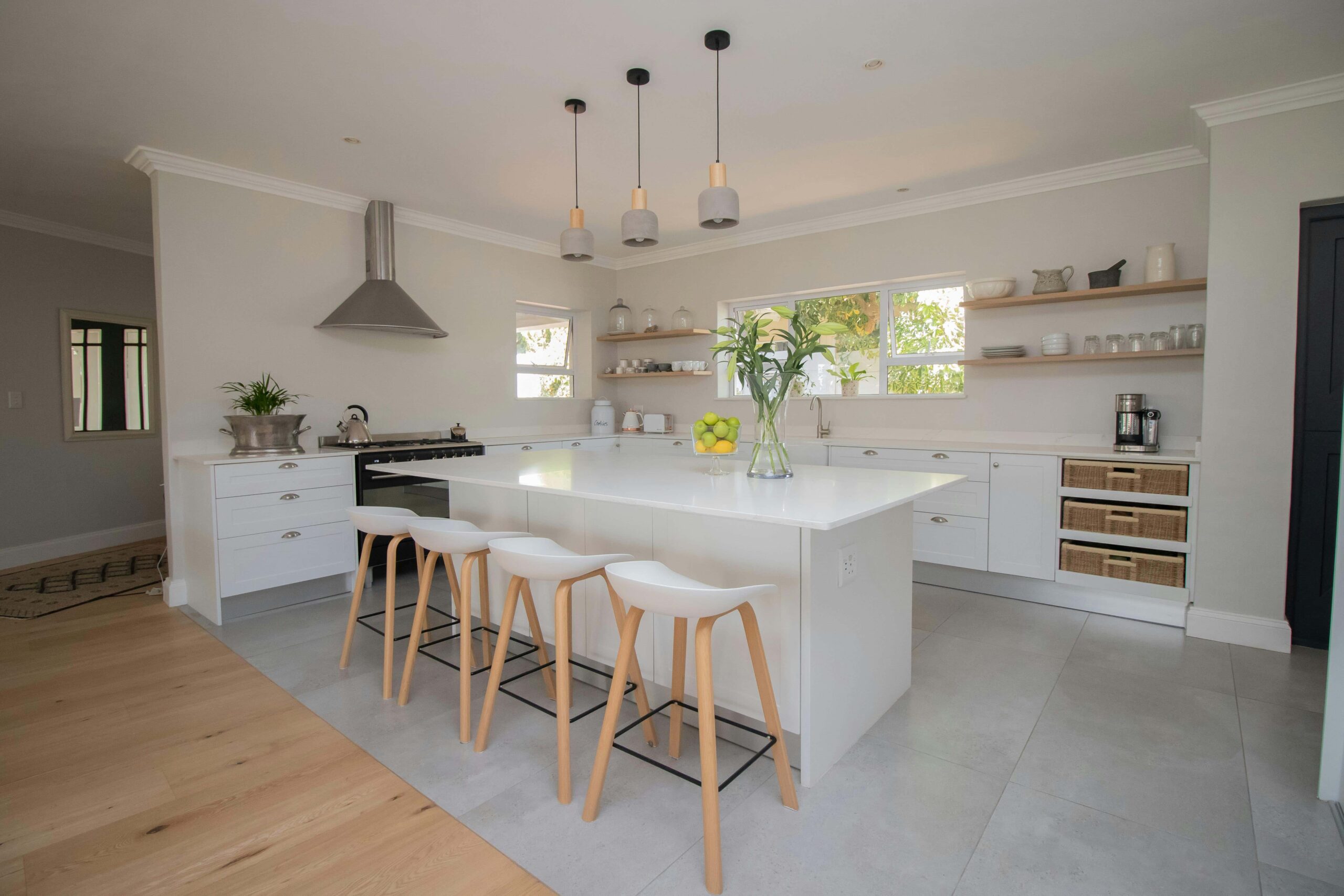
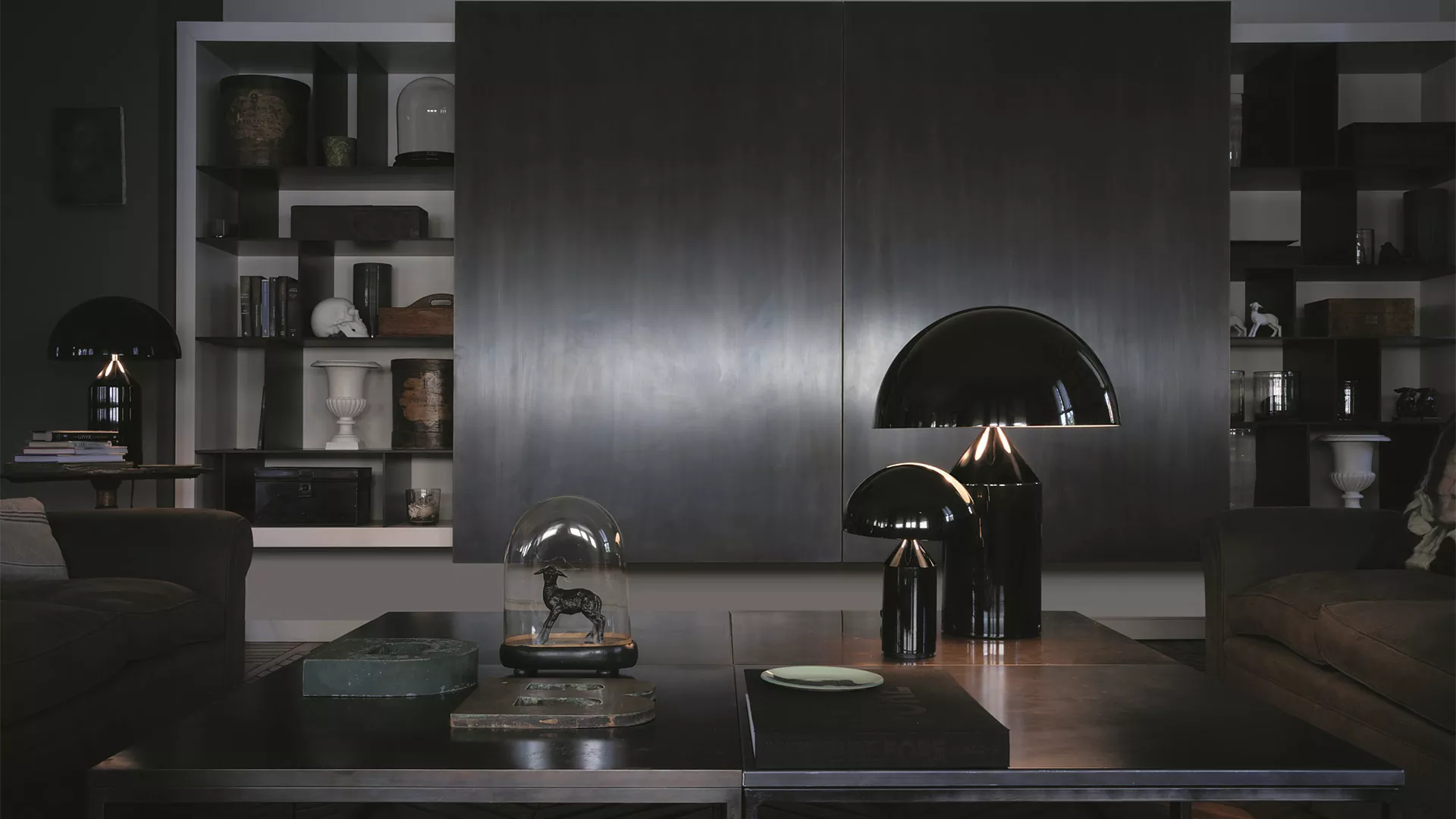
The attic is considered a romantic living space, a cozy domestic nest where you can create warm and inviting areas. But to be truly functional, the attic must be carefully designed and, of course, have good lighting. How to light an attic is no small matter; it requires taking everything into account: ceiling height and the size of the floor area, the location, type, and number of windows, as well as the materials and finishes.
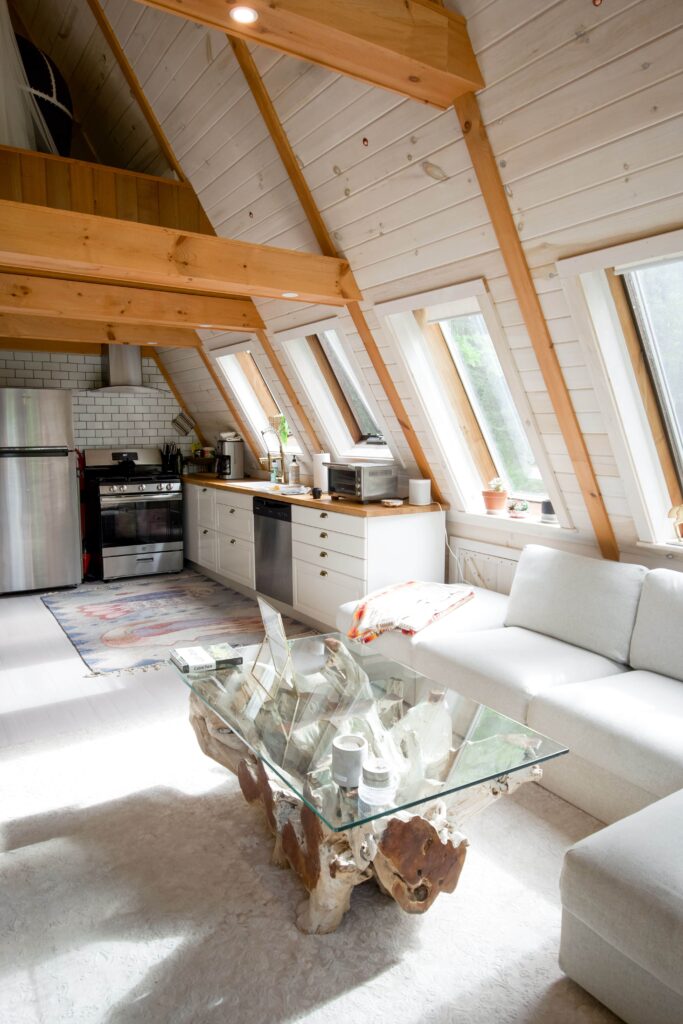
How to light an attic using natural light
Natural light plays a crucial role in an attic. When renovating, it’s a good idea to include several windows or skylights, keeping in mind that light from skylights is about 40% more abundant than that from “traditional” windows.
Sheer curtains for privacy and blackout shades for nighttime can help manage natural light at different times of the day and throughout the seasons. When planning artificial lighting, consider the windows and their locations; the general recommendation is to install multiple light sources and lamps on separate switches to always create the right atmosphere and avoid wasting energy.
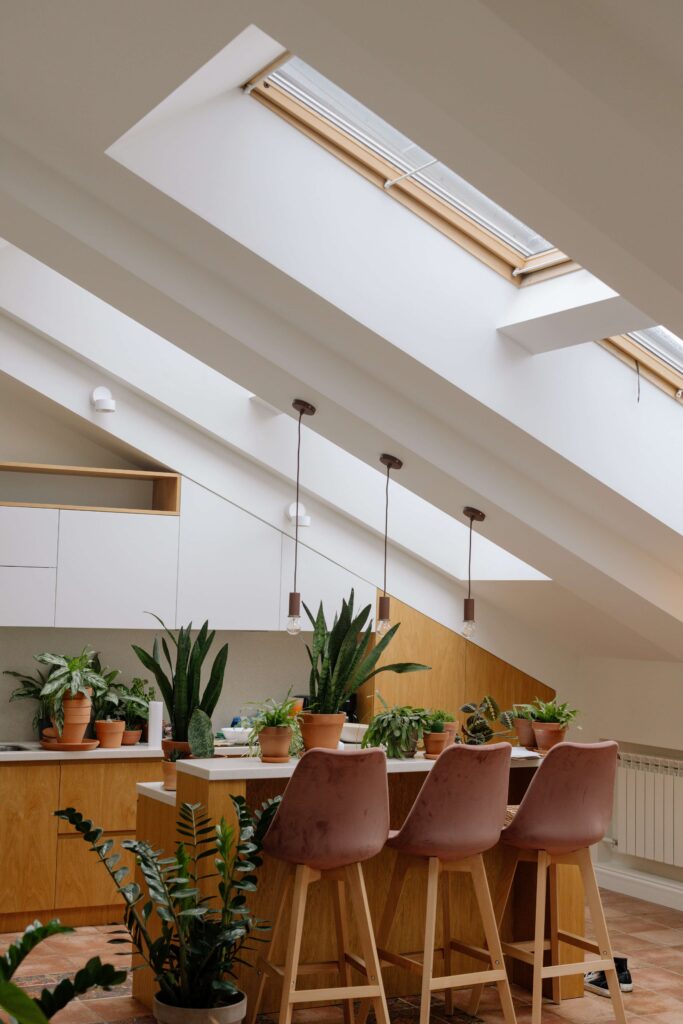
What to use instead of chandeliers in an attic
Low ceilings are the main challenge in attic spaces. How do you light a low-ceilinged attic or one with a sloped roof? Architects suggest placing wall sconces along the perimeter, or swing-arm lamps that can be moved and directed with greater precision. Recessed lights and spotlights are also a good solution, better suited to those who want a cleaner, more minimal space.
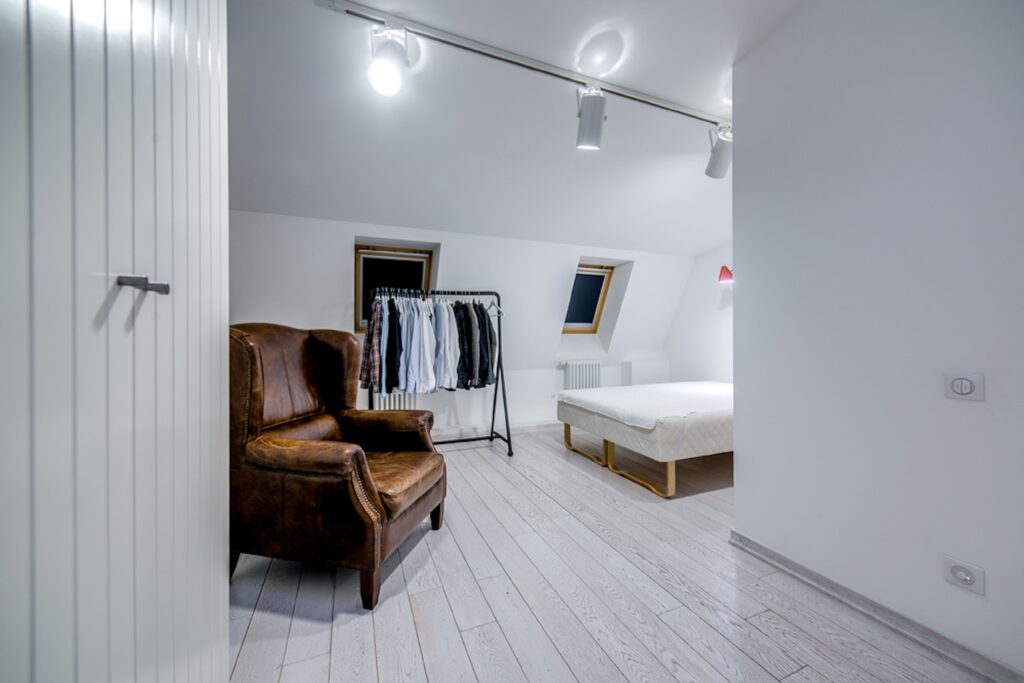
Experts recommend using warm light between 2,700 and 3,000 K to best highlight spaces with natural materials or areas designated for relaxation, such as bedrooms and living rooms. However, they also suggest opting for slightly cooler light, at 4,000 K, if the attic is used as a home office or houses the kitchen. Higher color temperatures are known to aid concentration.