
Cover photo by Kasia Gatkowska
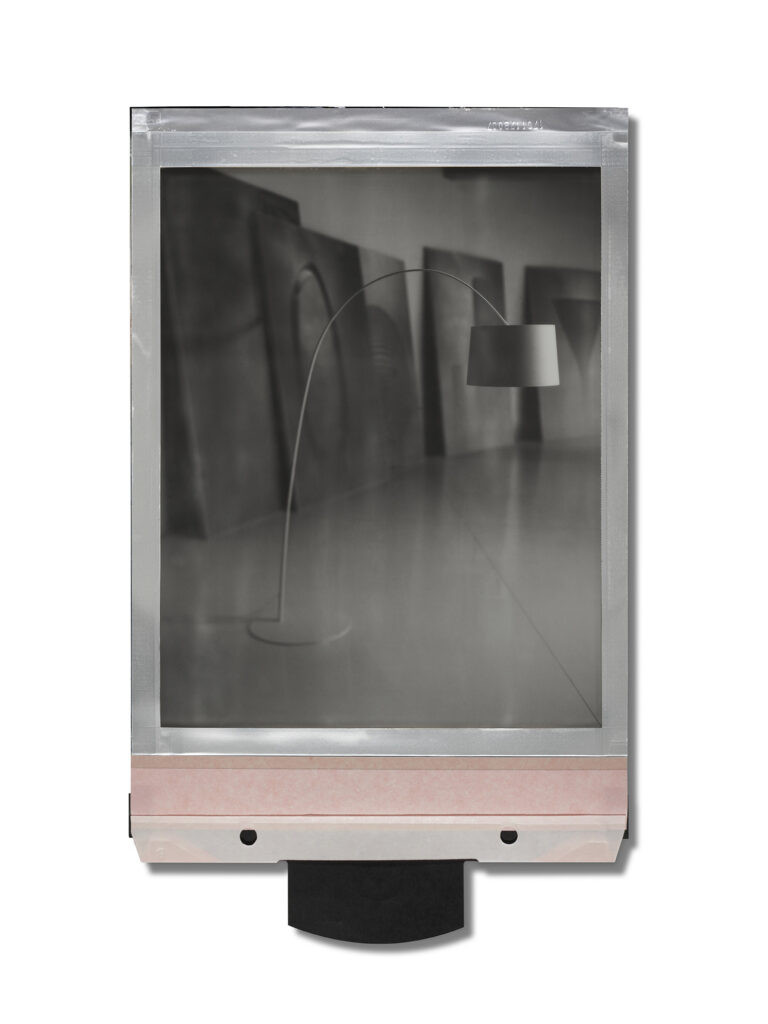
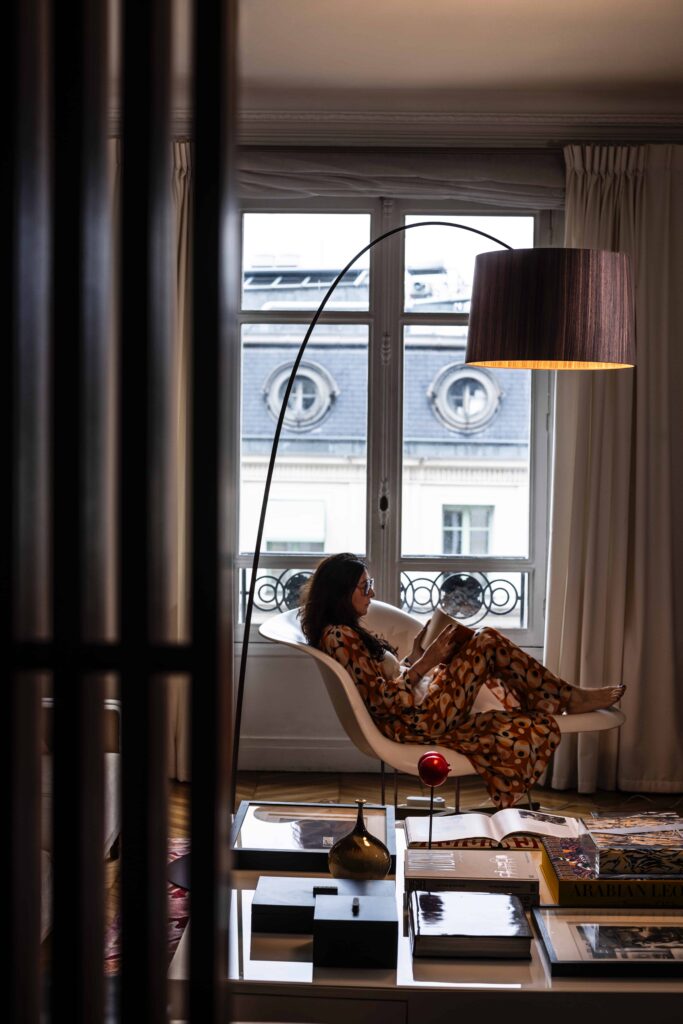
Foscarini marked the 20th anniversary of the Twiggy lamp during the most recent Fuorisalone in Milan, with an installation by Ferruccio Laviani in the brand’s Milan showroom that celebrated the icon designed by Marc Sadler. It was a fitting close to two decades of unexpected success for a floor lamp of deceptive simplicity, one that entered the canon of timeless design almost immediately.
From a fishing rod to Foscarini
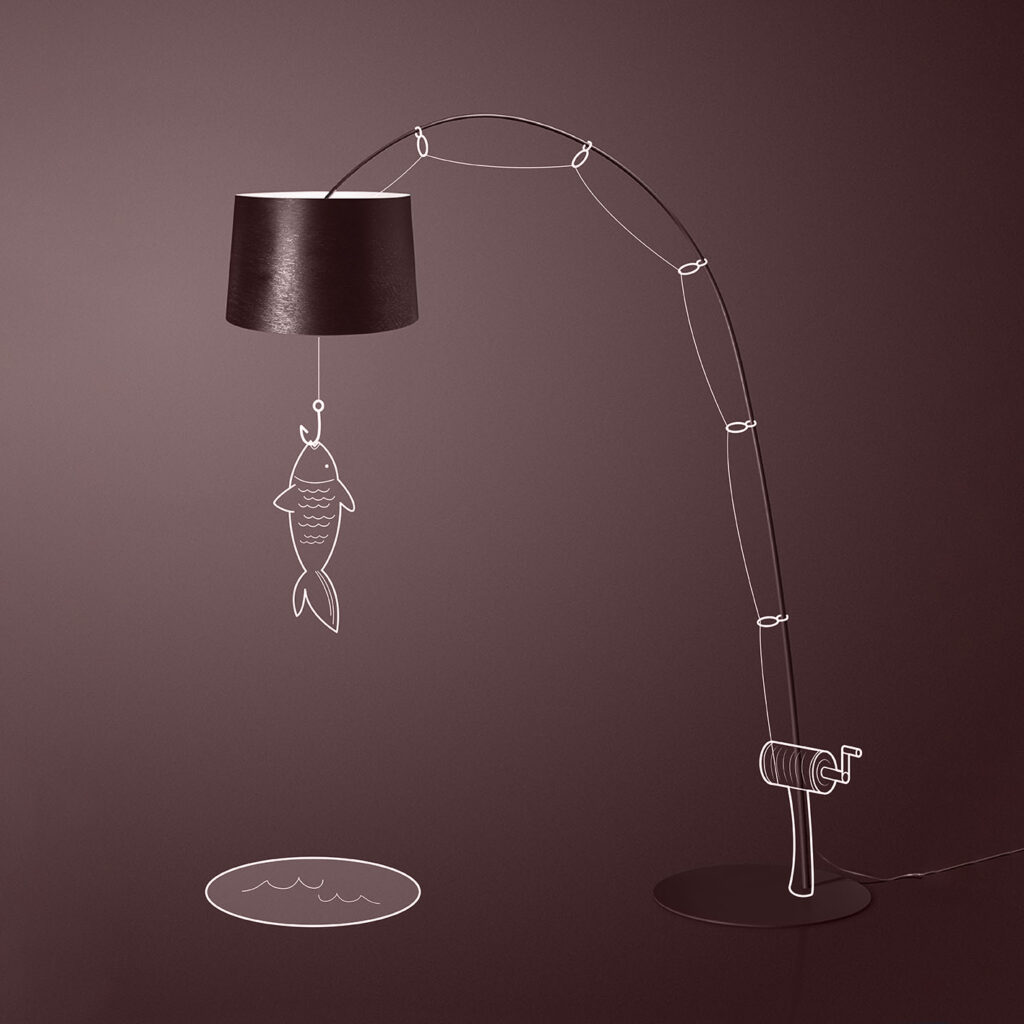
Twiggy takes an established typology—the arc lamp— and upends it, producing an object with a personality entirely unlike its ancestor: lighter, more irreverent, elegant by subtraction. Retracing its origins, Marc Sadler shares a few stories. “Twiggy didn’t appear overnight. First there was the idea that intrigued me: a kind of sculpture I’d made at home from a fishing rod, a length of line, and a bulb at the end, held up by a mannequin that looked like a fisherman. A divertissement, but one I liked. Then came the encounter. On a vaporetto, in Venice, with Alessandro Vecchiato, one of Foscarini’s founding partners.
I was about to leave for Taiwan, where the fiber tennis rackets I’d designed were being made, and he asked me to come up with ideas for using that material in lamps—not industrially produced, but still made in series, at the lowest possible cost. I said I’d think about it, though privately I was thinking: ‘It makes no sense. Either you do craft or you do industry.’”
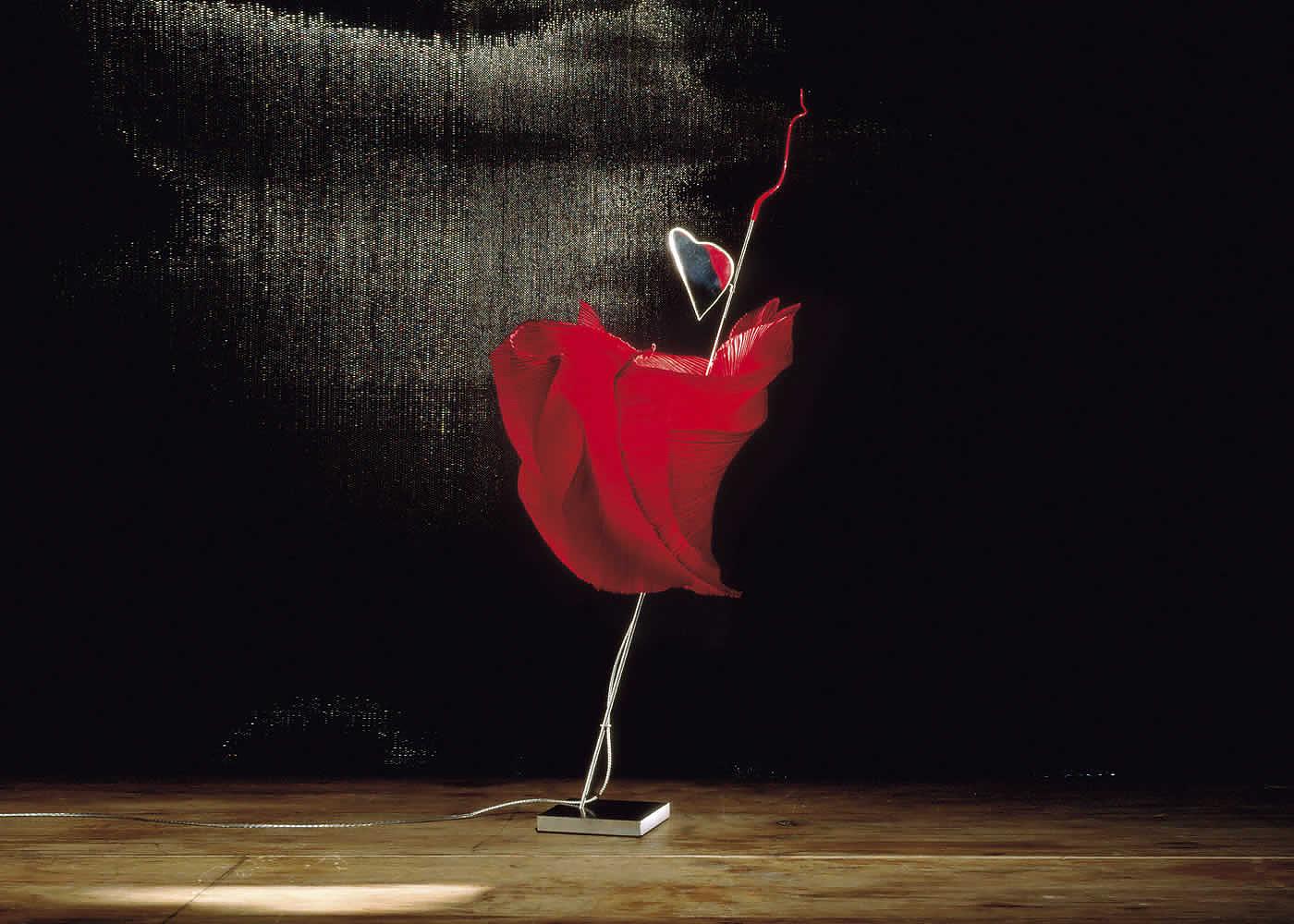
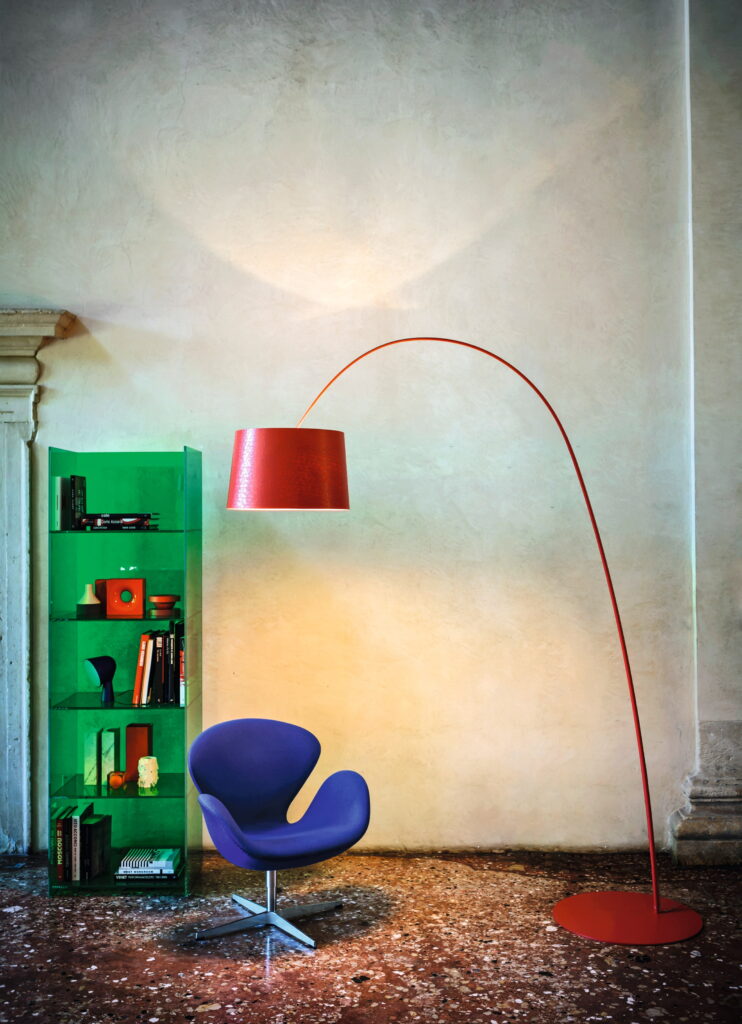
Twiggy began as a drawing, but above all as a study of materials pulled from the world of sport fishing. A discreet metal base carries a wide-curving rod in reinforced fiberglass and carbon—strong and slender, it lets the whole lamp sway gently and holds the colored diffuser in resin-pigmented fiberglass.
Fishing rods are engineered to be strong and to flex as little as possible. Sadler, as he tells it, was looking for someone willing to reverse that logic. “After months I found an artisan rod maker who played along and changed all his parameters: normally a rod like this is built to be as rigid as possible, flexible only at the tip. I was asking for consistent flexibility. What’s beautiful about certain products—and Twiggy is one of them—is that the engineering is invisible, it’s inside. It’s like a plant, a flower: the rod is a serious technological challenge, but it doesn’t look like one. And I really like that.”
Fun fact: five full years passed between the first idea and Twiggy’s debut. It was a very long gestation, spent finding the best solution and identifying the manufacturer to entrust with production.
Where the name ‘Twiggy’ came from
The floor lamp was named Twiggy after the British model and Swinging London icon, with whom it shares a slender frame and a proud carriage. Sadler offers an aside: “Finding a name is always hard, because you have to know the project intimately. Sometimes companies ask a consultant for a list of five names to evaluate; it’s depressing, because you end up staking out territory just so no one bothers you, and it never relates to the design itself.
We invent names in the studio, with the company. My wife Paola handles it, and she’s exceptional. With Twiggy she translated the sinuous movement, the slight, almost gangly build, the height—it’s all exactly right. And honestly, we couldn’t call it anything else.”
The evolution into a full family of lamps
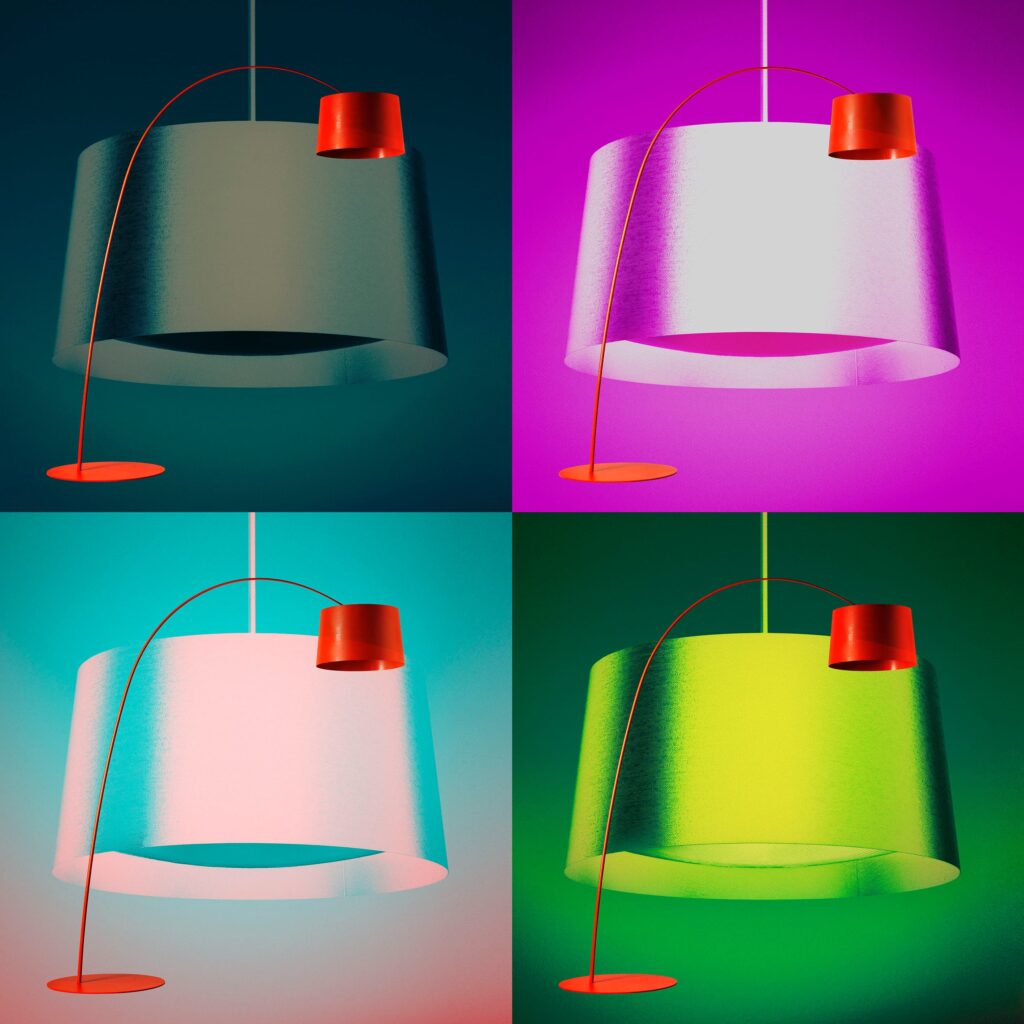
An undisputed icon of the brand, Twiggy has evolved across two decades without ever losing itself. Beyond the original, the catalog now includes pendant and ceiling versions, along with Twiggy Elle, with a wider reach. There are also the outdoor versions Twiggy Grid and Twice as Twiggy for large-scale projects.