Studio14: a practice rooted in the continuous rewriting of the tradition of light

Founded in Milan by Diego Bassetti and Andrea Panzieri, Studio14 develops projects across architecture, interiors, and product design. In this interview, their work with Murano glass and lighting serves as a starting point for reflecting on contemporary craftsmanship and tradition.

Newsletter

NEWSLETTER

Stay updated

Become a vital part of our thriving community:
subscribe to the ATMOSFERA Newsletter.

Subscribe

Read also..

Highlights

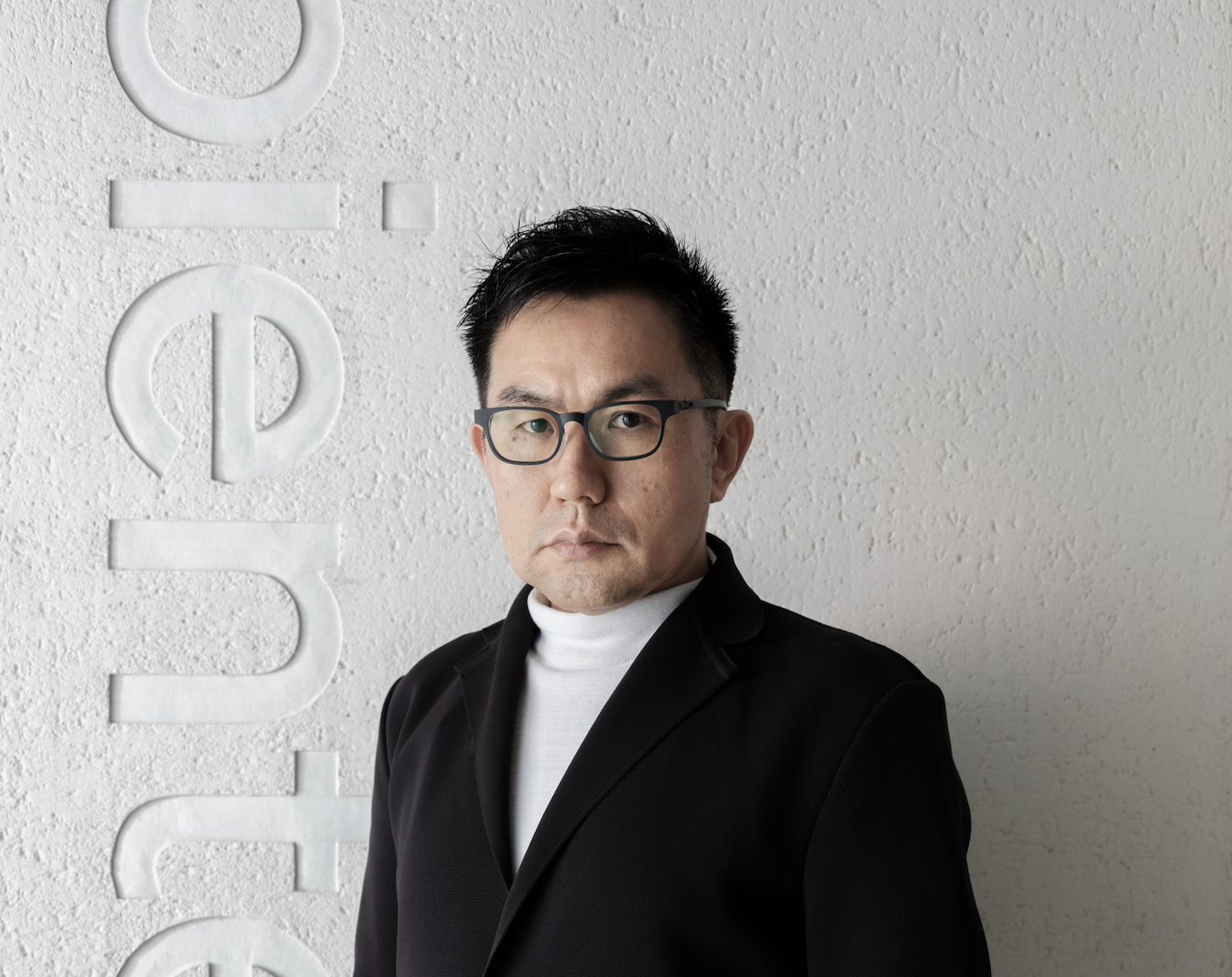
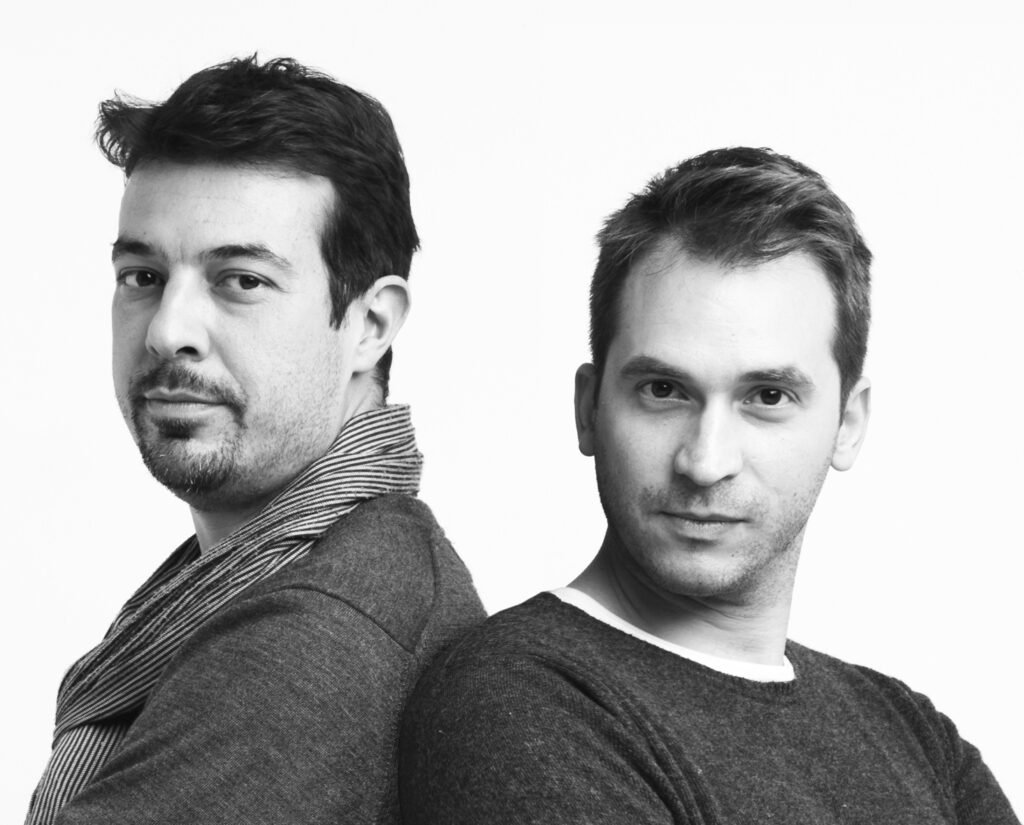
Diego Bassetti and Andrea Panzieri, Studio14

The designers at Studio14 often work with glass, particularly Murano glass. A ductile material, suited to a wide range of applications, capable of adapting to different forms and taking on endless colors, it is shaped by the imagination of Diego Bassetti and Andrea Panzieri. With them, we discussed inspiration, contemporary craftsmanship, and the idea of rewriting tradition.

Diego Bassetti and Andrea Panzieri, Studio14

Jipsy and Metropolis are among your designs for Abate Zanetti in Murano, an institution that carries forward the responsibility of preserving a unique historical heritage…

 «Our collaboration with Abate Zanetti was a very meaningful experience. It brought us closer to the world of glass and deepened our understanding of this material, particularly the artistic side of Venetian glassmaking. Although working with glass may seem simple at first glance, it is in fact highly complex and requires great mastery, developed through years of apprenticeship. There is always ongoing experimentation and innovation, a constant search for new shapes, colors, and textures».

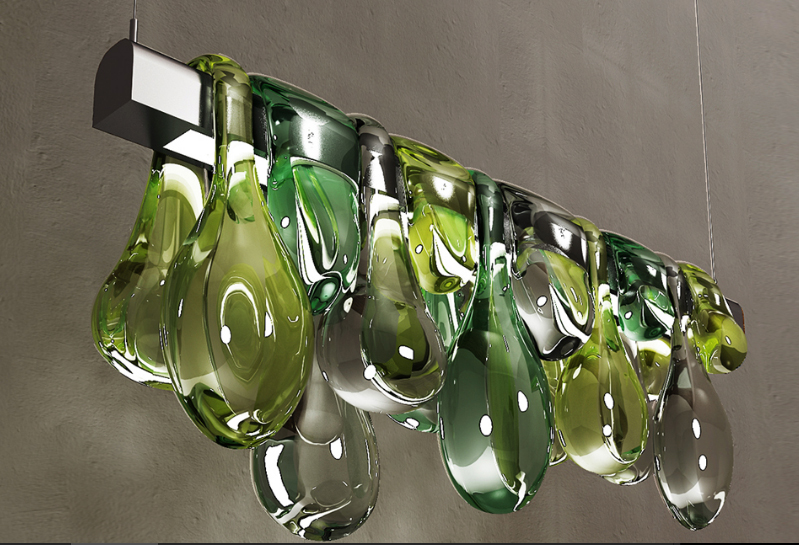
Jipsy, Abate Zanetti

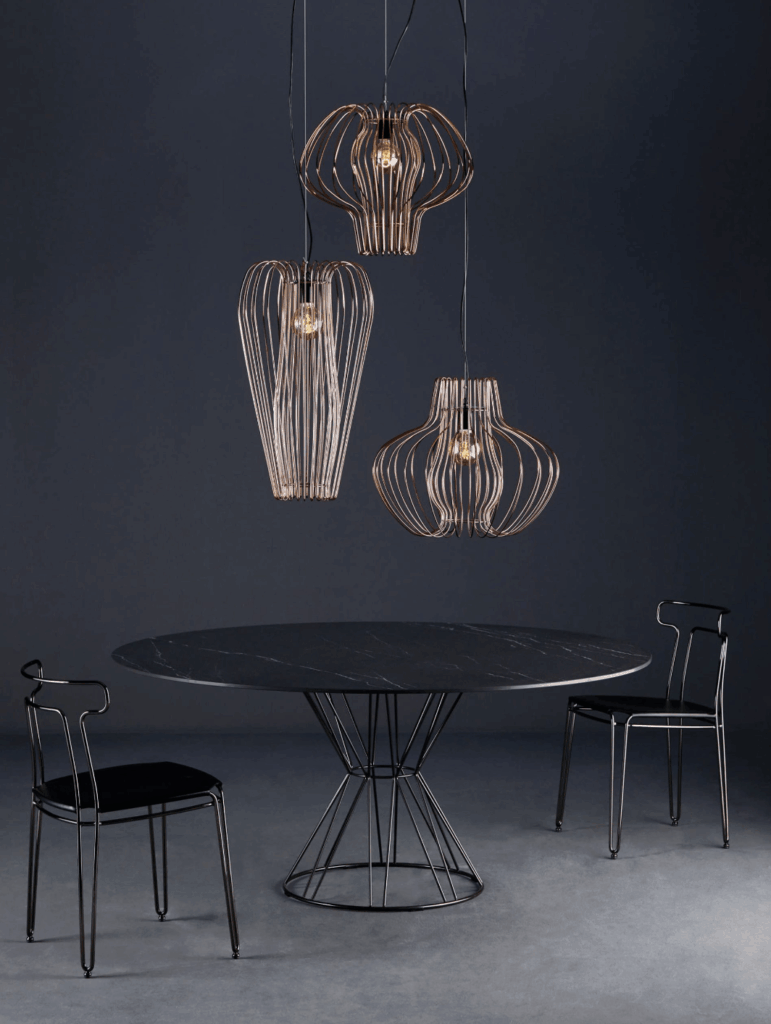
Cathedral (for Tonelli Design), Moule (for Marchetti Illuminazione), and Volver (for Terzani) are true sculptural pieces, chandeliers that sit at the intersection of art and technology. How did these ideas come about?

«All our projects originate from the stimuli that surround us. From observing reality, art, and nature. Traditions and everyday emotions become sources of inspiration for us».

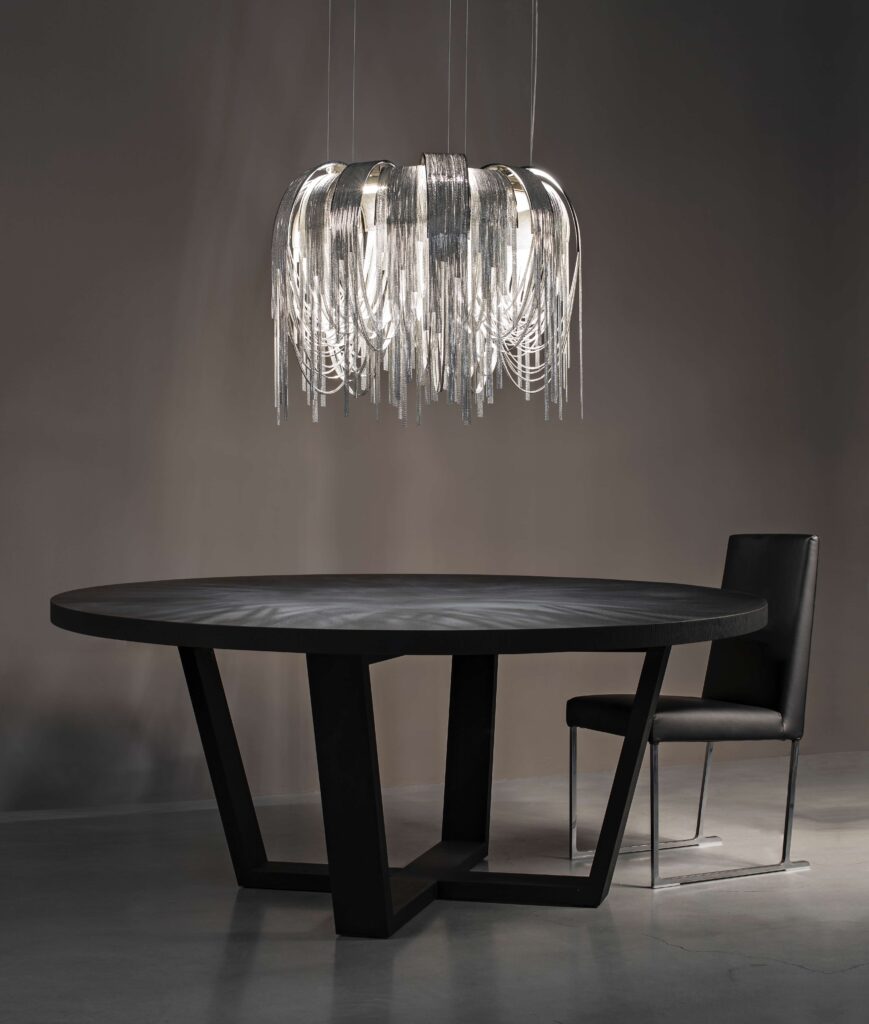
Volver, Terzani

Tell us about the technical details of Cathedral, inspired by the grandeur of a cathedral…

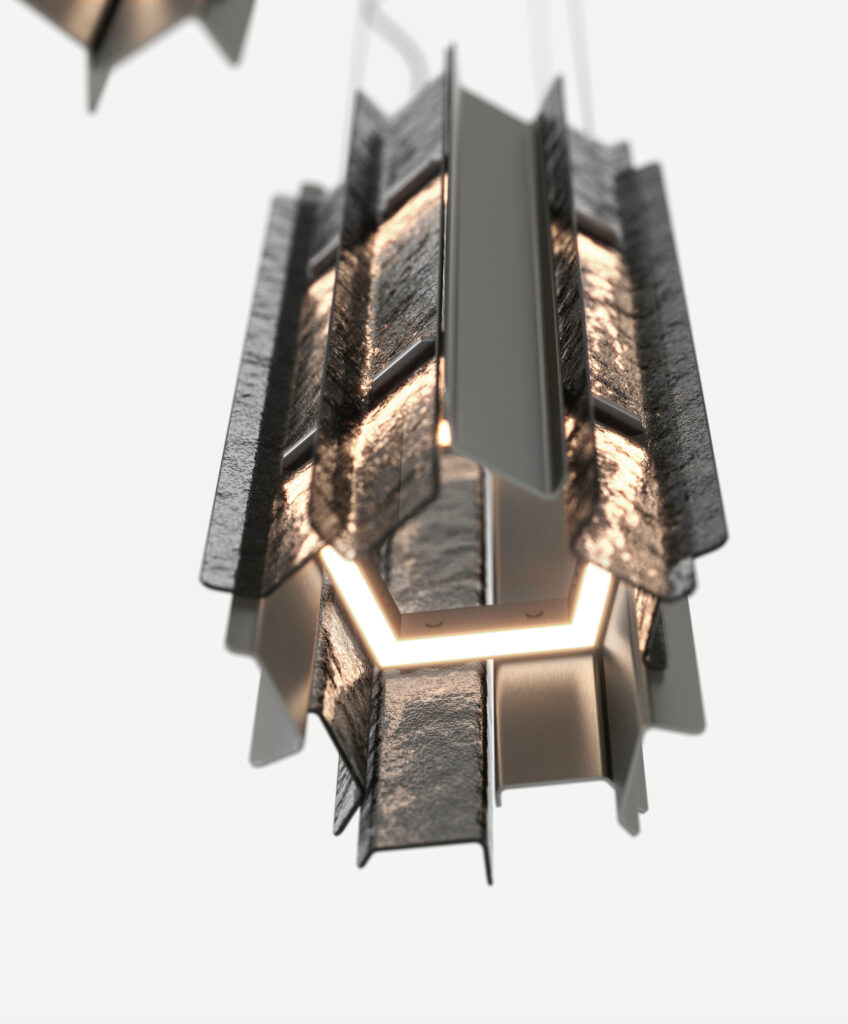
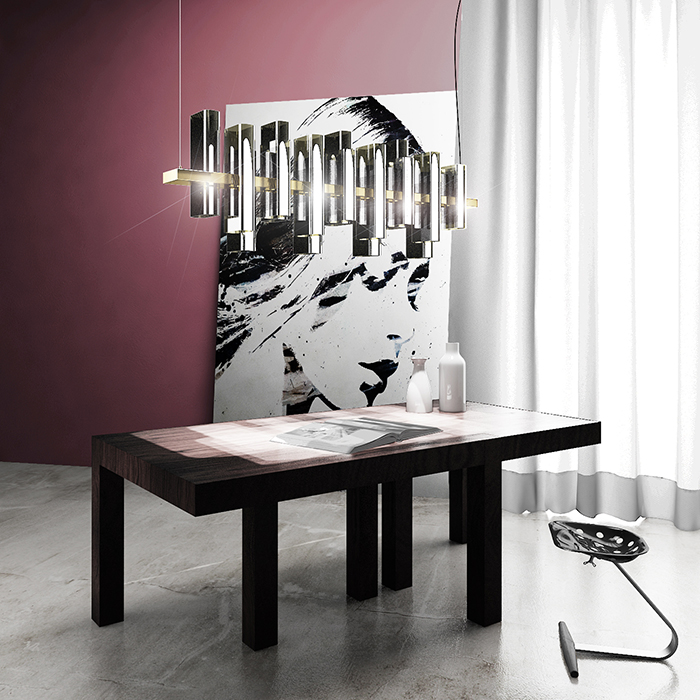
«The name could not be more fitting to define its essence. With its majestic and refined structure, every detail of this lamp is designed to reflect light through a play of transparencies and shadows. Each module comprises metal and glass slats arranged in a geometric pattern to create a distinctive visual effect that is both dynamic and unique. The slats have been precisely finished to ensure a structure that is both solid and lightweight, and the glass diffuses light softly, making the space feel warm and welcoming. The contrast between the solidity of the metal and the transparency of the glass gives it elegance and modernity».

Cathedral, Tonelli Design

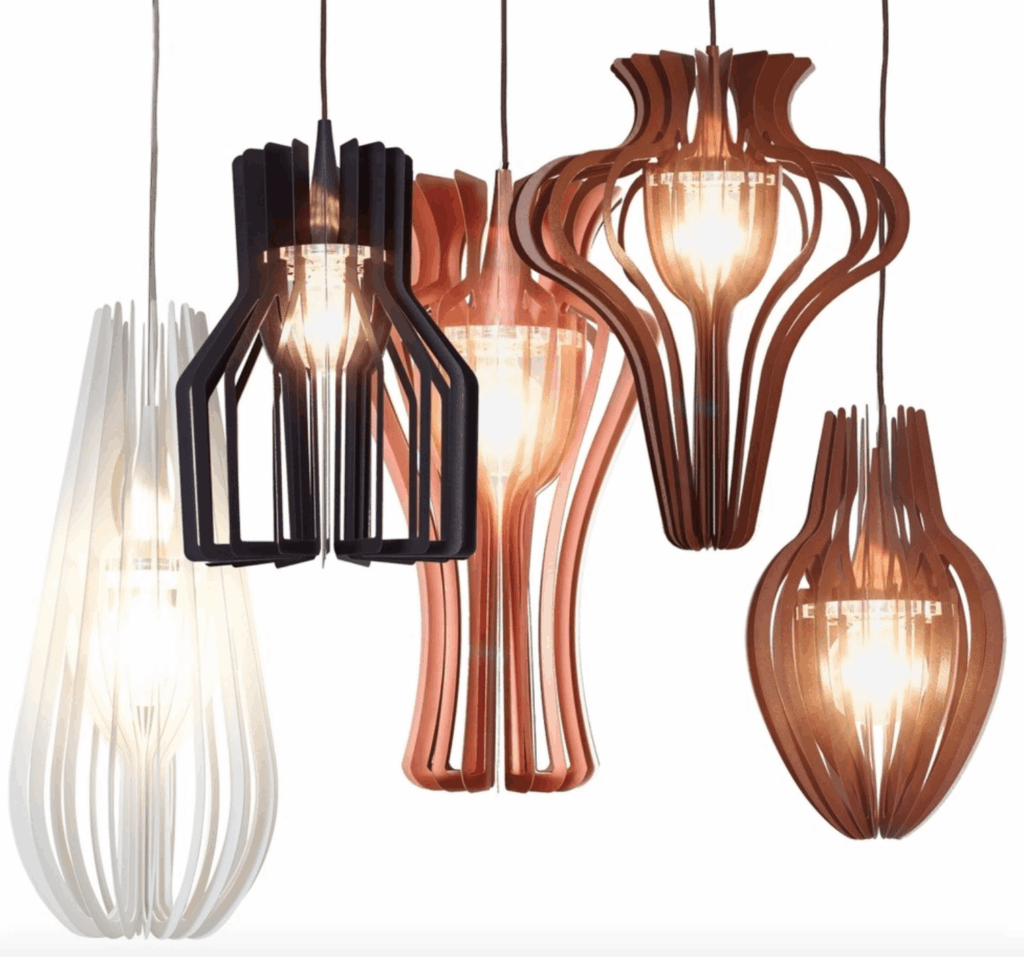
In contrast to the strong presence of the chandeliers described above, the Burlesque and Can Can lamps suggest instead a silhouette, almost as if leaving space only for light, without interfering with a shade.

«This second type of product is intentionally simpler, as it was designed for a company—both are produced by Colico Design—where lighting plays a more limited role within the catalog. Each of our projects, in fact, originates from a careful evaluation of its context. We always consider the target audience and the need for each object to interact harmoniously with the existing collection, integrating with the brand’s identity».

Can Can, Colico Design
Bourlesque, Colico Design

Do you find the dynamics of serial production more appealing, or are you drawn to the uniqueness of craftsmanship?

«What fascinates us is the project itself. We usually design for companies with industrial production, but we have also worked with artists and collaborated on purely artisanal projects. These experiences enrich our design approach. Perhaps the most fascinating aspect is precisely the act of diving into a new project we truly believe in, following it throughout the entire creative and construction process, and finally seeing it take shape—regardless of whether its realization is industrial or artisanal».

What defines attention to detail for you?

«Attention to detail is not only about the designed aesthetic elements. It also concerns how the different components of a product are assembled, their positioning, and how they are joined (for example, how a weld is executed or what type of screw is used). These are all details that, together, must create harmony within the project».

Metropolis, Abate Zanetti

Where do you start when designing and lighting a new interior concept or renovating a residential property?

«When approaching a project, we first take into account the client’s taste. We design the lighting based on the style and needs of the space, ensuring that it reflects its character. Everything starts from the idea that each space has its own specific qualities, and light is designed accordingly».

Would you prefer visible or concealed lighting fixtures? Do you adjust the colour temperature according to the environment?

«We generally prefer visible fixtures, with a strictly warm color temperature. Dimming is not always a priority—it is often a client request—but we particularly enjoy creating plays of light and shadow using point light sources».

Do you have a project to share?

Atmosfera is an open space for dialogue. If light plays a key role in your research or a specific project, we’re ready to listen. We feature lighting design projects, art installations, photography series, and stories that explore the narrative potential of light.

Send us your portfolio or tell us about a project you care about.
It could become part of our editorial programming—or spark a new collaboration.

EMAIL US AT REDAZIONE@ATMOSFERAMAG.IT

Read also..

Ryanlans
How to light a kitchen: a practical guide for a convivial, functional, and relaxing space
From ambient lighting to task lighting for work surfaces and integrated solutions within cabinetry: a practical guide to designing kitchen lighting that...
Read Article
03_2024-10-Curiosity-Ruinart-202
Cristian Miola: designing light for the Nicolas Ruinart Pavilion, the world’s oldest Champagne house
Designed by Sou Fujimoto, the lighting by Cristian Miola creates a narrative continuity between retail and hospitality, integrating with architecture,...
Read Article

Nanda Vigo: Designing with Light

Light, the central element in Nanda Vigo’s works, transforms spaces and objects into extraordinary luminous experiences. Her artistic practice ranged from designing lamps to architectural installations, showcasing a deep interest in

read the article