
10 swing-arm lamps as an alternative to chandeliers: when convenience becomes design

Versatile and visually striking, swing-arm lamps solve lighting needs playfully and unconventionally, and can easily replace the traditional chandelier.

Newsletter

NEWSLETTER

Stay updated

Become a vital part of our thriving community:
subscribe to the ATMOSFERA Newsletter.

Subscribe

Read also..

Highlights

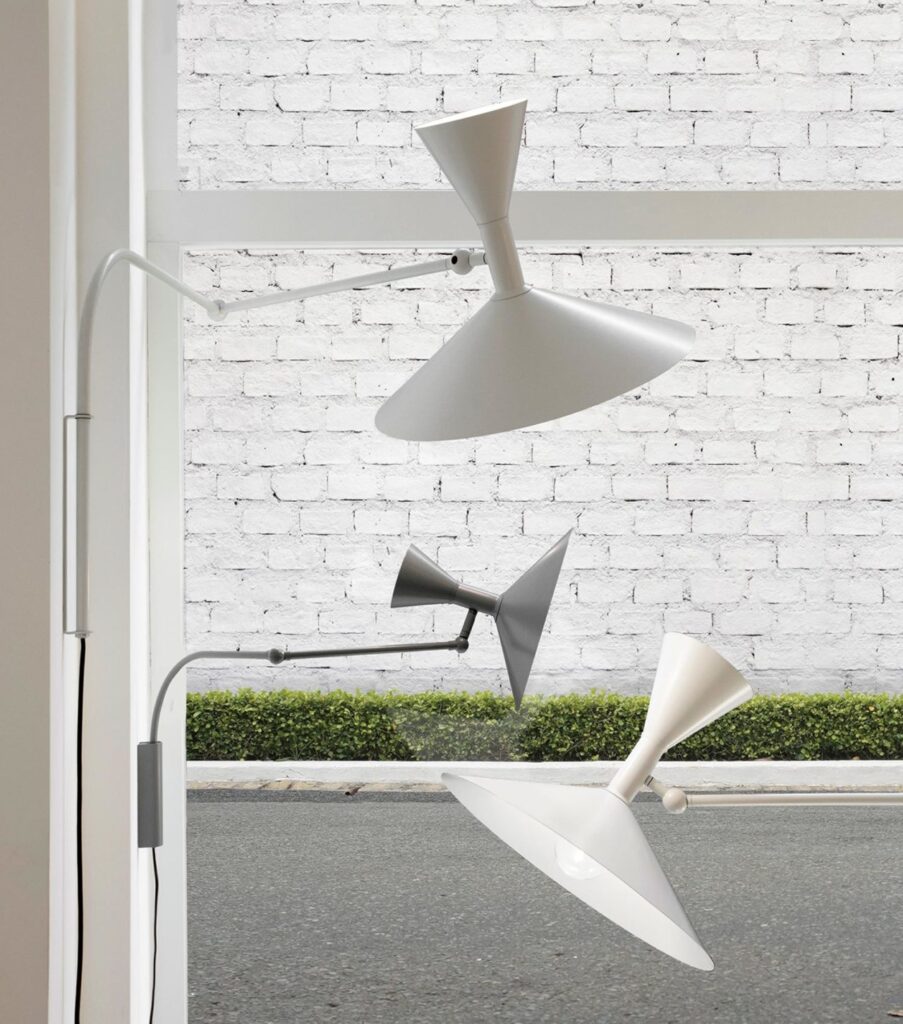
Cover photo: Nemo, Lampe de Marseille

Swing-arm lamps are a type of wall-mounted lighting that can be extended to provide light for a table, the centre of a seating area, or above a reading chair. Essentially, a designer swing-arm lamp enables you to replace a ceiling light without compromising on style. In this respect, it can also be considered a viable alternative to an arched floor lamp.

A brief journey through the design of swing-arm lamps

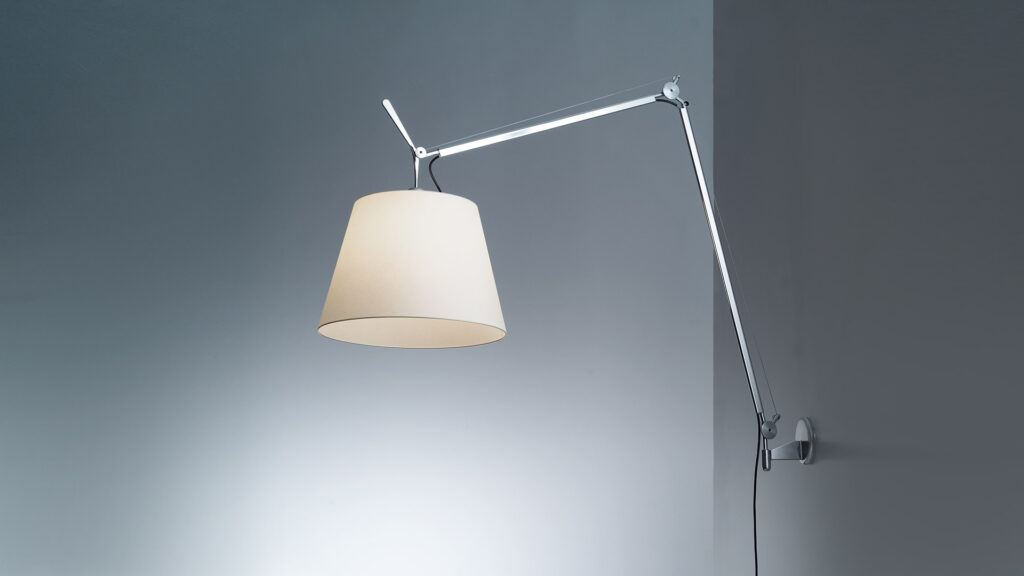
Over the decades, many designers have explored this typology. There are iconic swing-arm lamps, such as theLampe de Marseille, conceived by Le Corbusier for the housing units of the Unité d’Habitation and now part of Nemo’s catalog, or the Tolomeo Mega Wall by Michele De Lucchi and Giancarlo Fassina for Artemide, a giant wall-mounted version of the original desk lamp. There are also swing-arm lamps that became instant classics from the moment they were launched, such as Flos’ 265 or Luceplan’s Counterbalance, as well as models that experiment with form and structure, like the flexible Moony by Karman, articulated and finished with an opal glass shade.

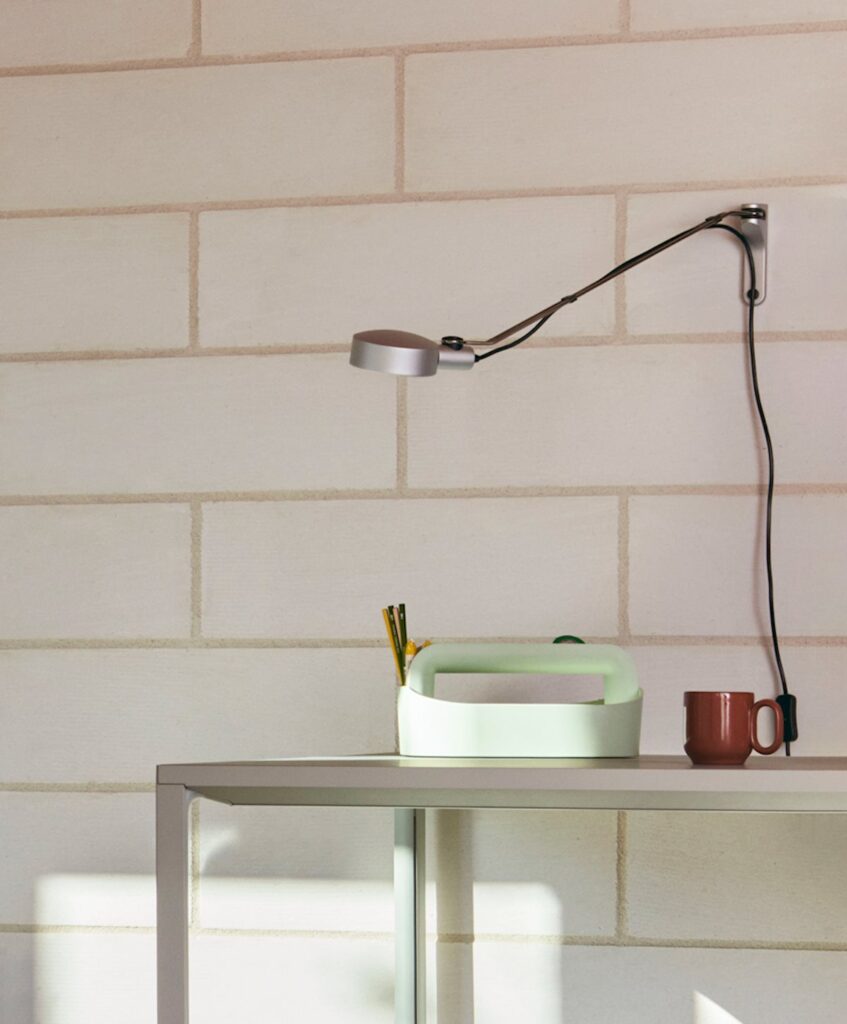
Finally, there are compact wall-mounted swing-arm lamps, perfect for illuminating a desk or for installation beside a bed’s headboard, such as Morsetto by Davide Groppi and Cupola by Danish brand HAY.

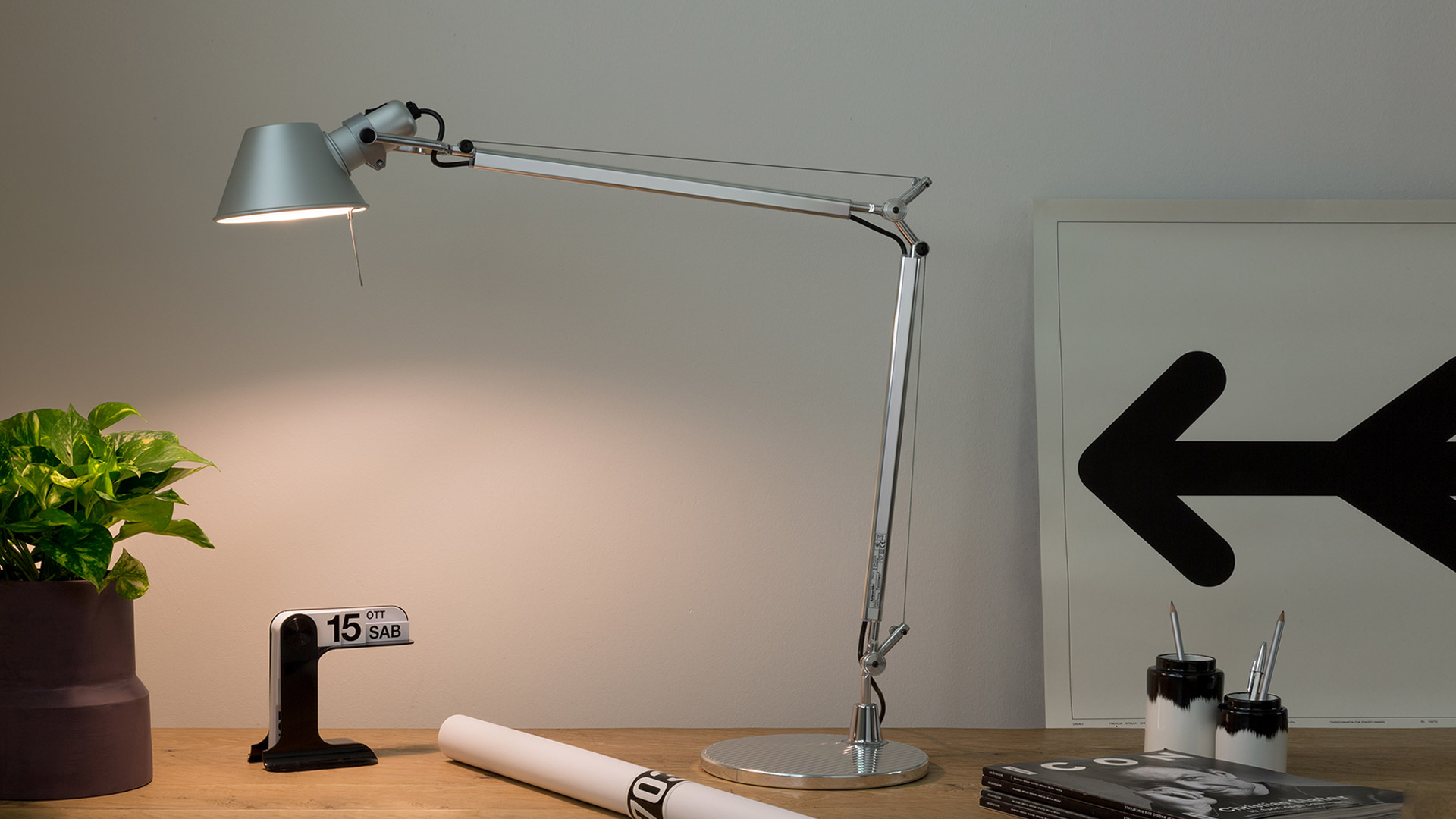
Tolomeo Mega Wall by Artemide

The wall-mounted swing-arm version is just one of the many configurations within the Tolomeo family, designed by Michele De Lucchi and Giancarlo Fassina in 1987 for Artemide. A constant across all versions—including the wall-mounted one—is the articulated arm system with a spring mechanism, functioning like a pantograph and allowing the lamp to be adjusted in height and angle.

Lampe Gras by DCW Éditions

Originally conceived in 1921 by engineer Bernard-Albin Gras and now produced by French brand DCW Éditions, thisrobust and affordable lamp was initially designed for offices and industrial environments. A design fun fact: Le Corbusier himself was captivated by its modern design and ease of use and became one of its most enthusiastic supporters.

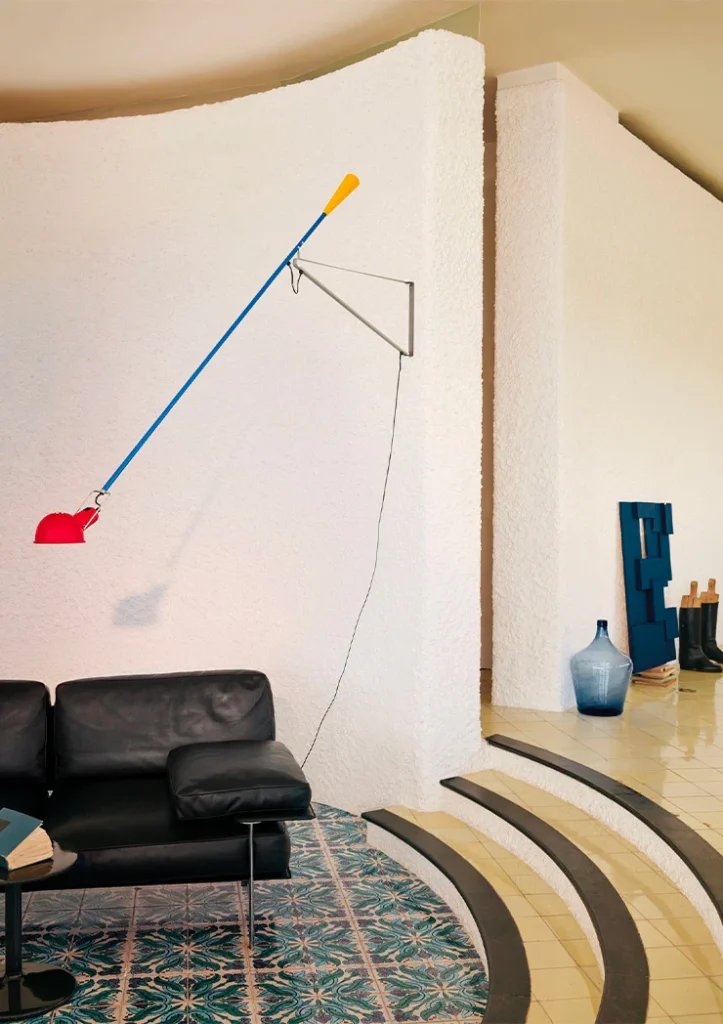
Chromatica by Flos

Available in both a colorful version and an all-black finish, this lamp was designed in 1973 by Paolo Rizzatto for Flos. It is a direct-light fixture with an adjustable arm, whose balance is ensured by a conical cast-iron counterweight.

Morsetto by Davide Groppi

Poetic and essential, like all of Davide Groppi’s work, Morsetto is described by its creator as “a lamp that tilts, balances, rotates, and above all, produces beautiful light.” With clean lines and an elegant black finish, the model features three adjustable arms that allow the light source to extend far from its mounting point. It is also available in a table version.

Cupola by HAY

From Denmark, HAY produces a compact swing-arm lamp designed not to illuminate a conversation area or dining table, but to pair with a desk or bedside table. Made of anodized aluminum, its circular head rotates 360°.

Moony by Karman

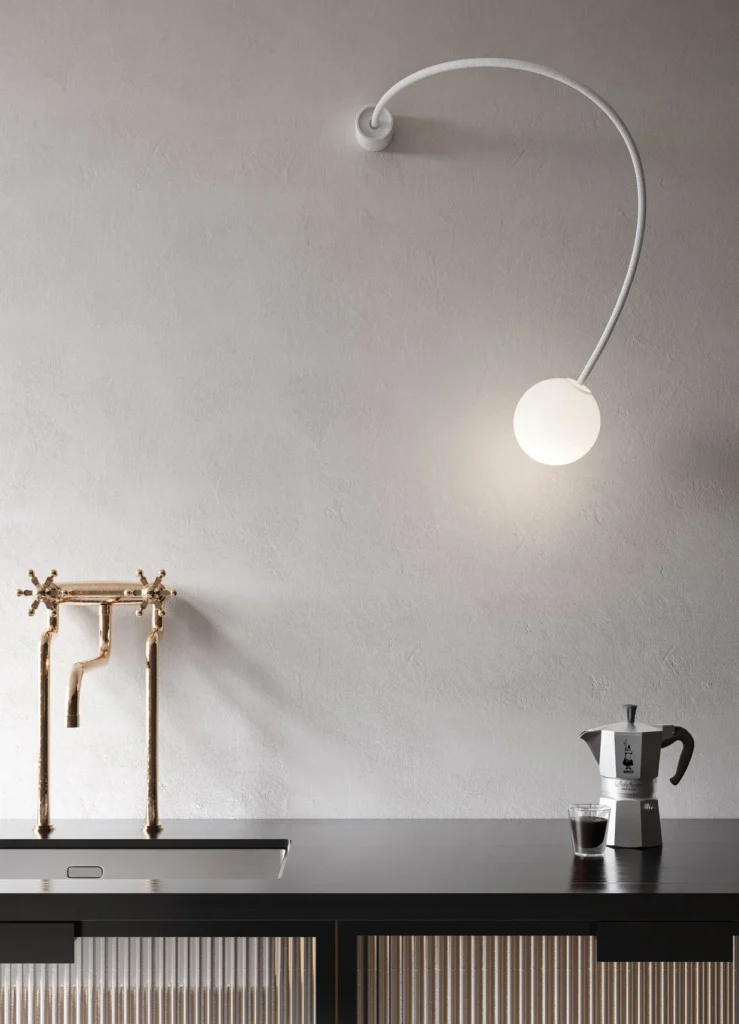
Designed by Marcantonio for Karman, this playful wall lamp features a movable metal stem wrapped in a white “sock,” supporting a frosted glass globe. Highly flexible, it can be directed freely.

NJP by Louis Poulsen

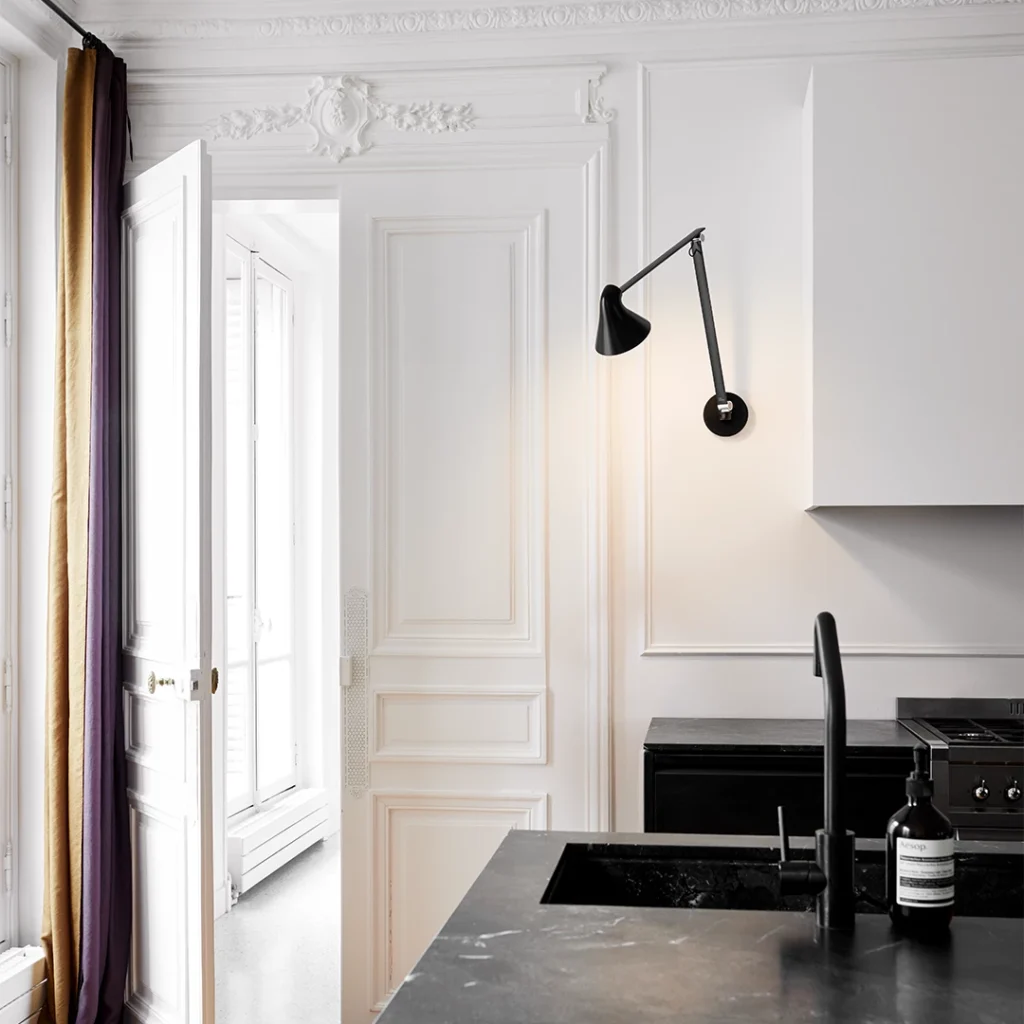
Nendo reinterprets the classic forms of Louis Poulsen’s bestsellers, creating a swing-arm wall lamp available in neutral tones such as gray, black, white, and metal.

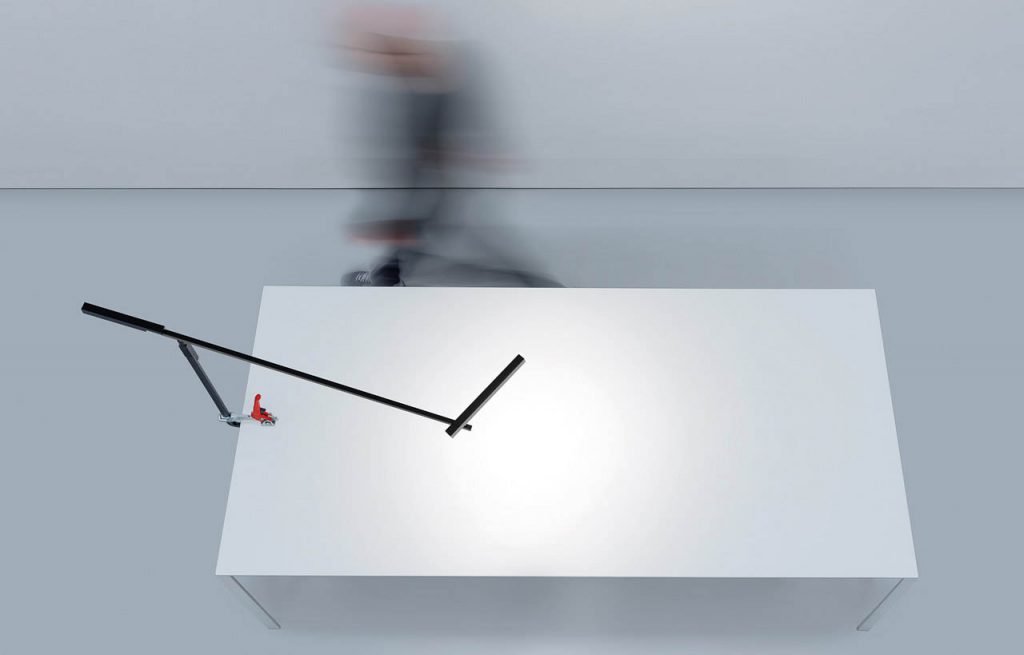
Counterbalance by Luceplan

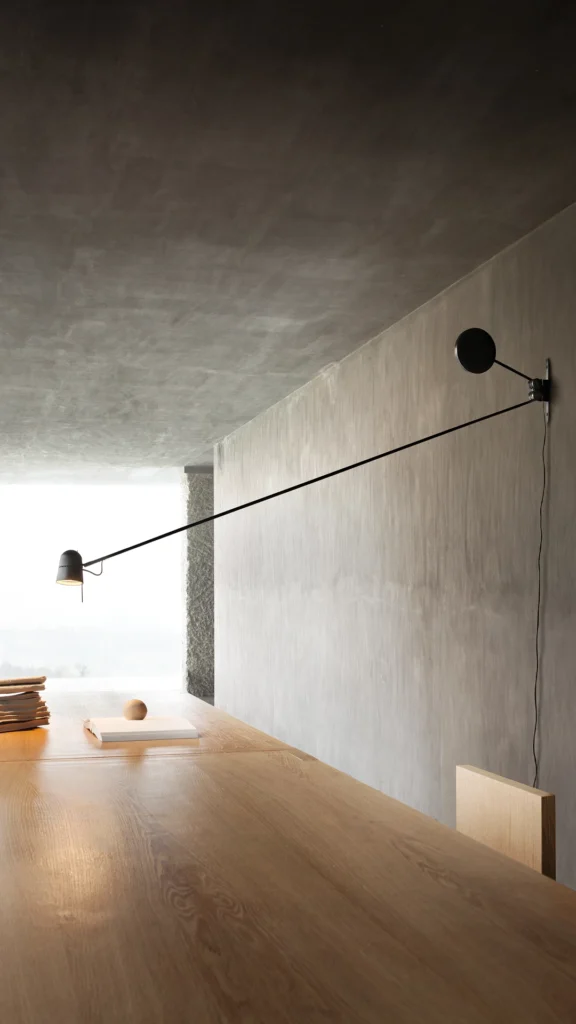
Designed by Daniel Rybakken for Luceplan, this model has been an instant classic since its launch in 2012. It continues to impress with its “variable balance” and seemingly impossible equilibrium that appears to defy the laws of physics. The lamp is made of matte black or red painted steel, with an aluminum dome-shaped head.

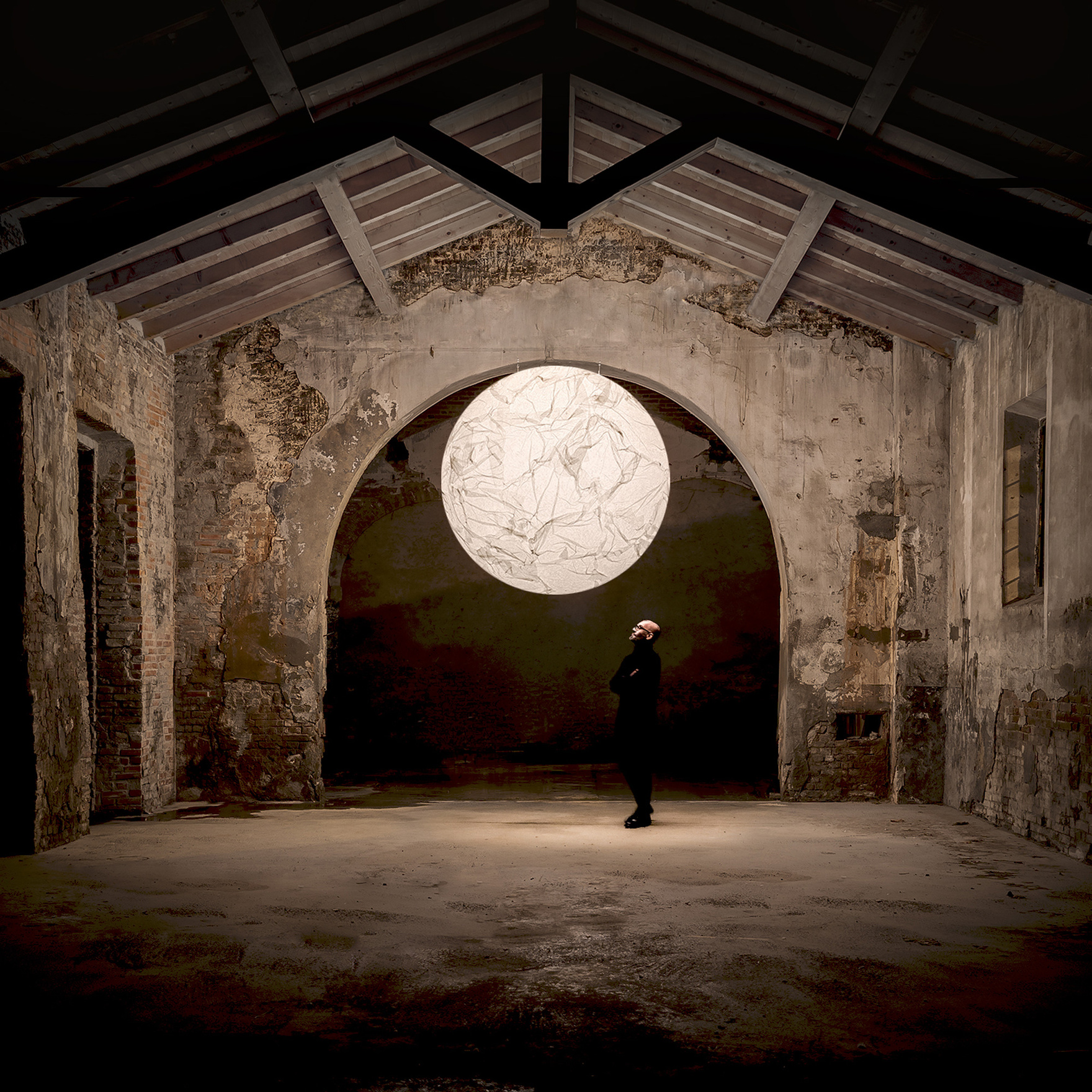
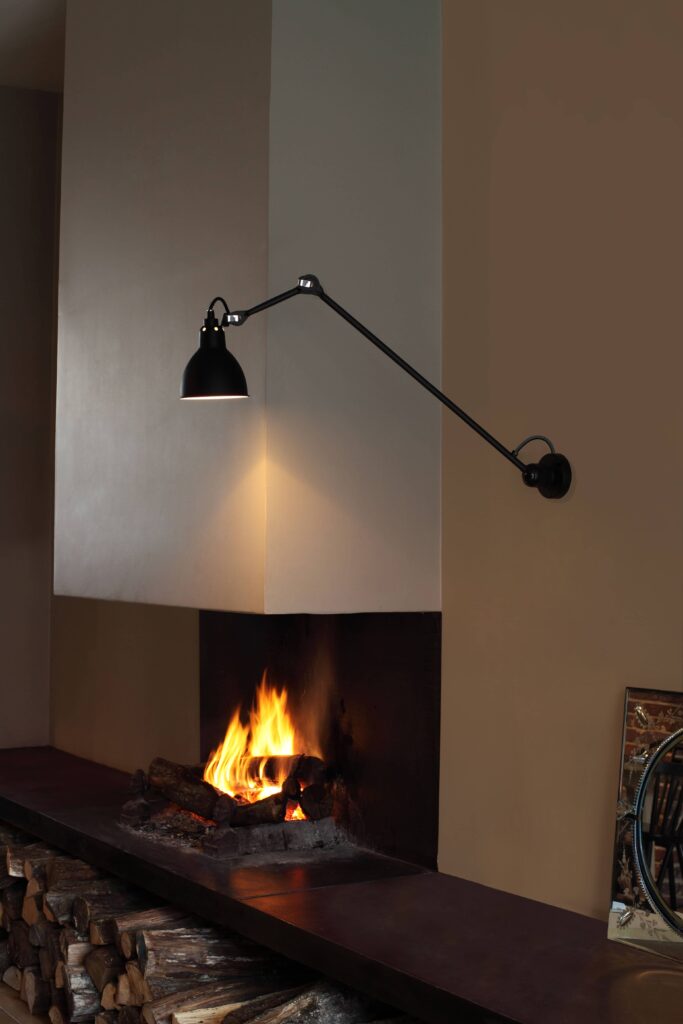
Lampe de Marseille by Nemo

Now part of Nemo’s catalog, the Lampe de Marseille takes its name from the Unité d’Habitation in Marseille, the monumental building designed by Le Corbusier between 1949 and 1952 and a symbol of Brutalist architecture. Designed by the master of the Modern Movement, it was created to solve lighting needs in the building’s duplex apartments, where ceiling light points were not possible. Its double conical diffuser emits both direct and indirect light.

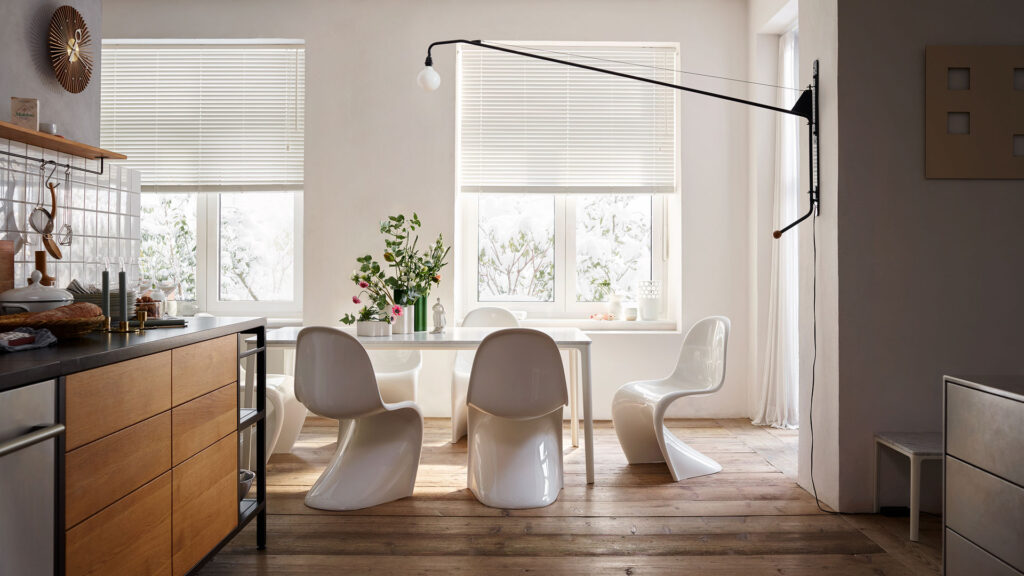
Potence by Vitra

Designed by Jean Prouvé in 1950 and produced by Vitra, this long-arm wall lamp reduces elements to a minimum. It consists of just a bulb and a rotating powder-coated steel tubular support with a wooden handle. The lamp is intuitively adjustable, and the light source is dimmable.

Do you have a project to share?

Atmosfera is an open space for dialogue. If light plays a key role in your research or a specific project, we’re ready to listen. We feature lighting design projects, art installations, photography series, and stories that explore the narrative potential of light.

Send us your portfolio or tell us about a project you care about.
It could become part of our editorial programming—or spark a new collaboration.

EMAIL US AT REDAZIONE@ATMOSFERAMAG.IT

Read also..

01
Design as a shared (and synergistic) cultural practice
Key collaborations, including those with Marc Sadler and Marcel Wanders, have strengthened his innate and multifaceted creativity. Co-founder of the Controvento...
Read Article
Copia di Nagasaki Lantern Festival (copyright JNTO) (1)
Nagasaki Lantern Festival: light, music, and dance for the Chinese New Year in Japan
A Chinese festival that, since the 1990s, has transformed Nagasaki into a citywide luminous spectacle: more than 15,000 lanterns, installations, and performances...
Read Article