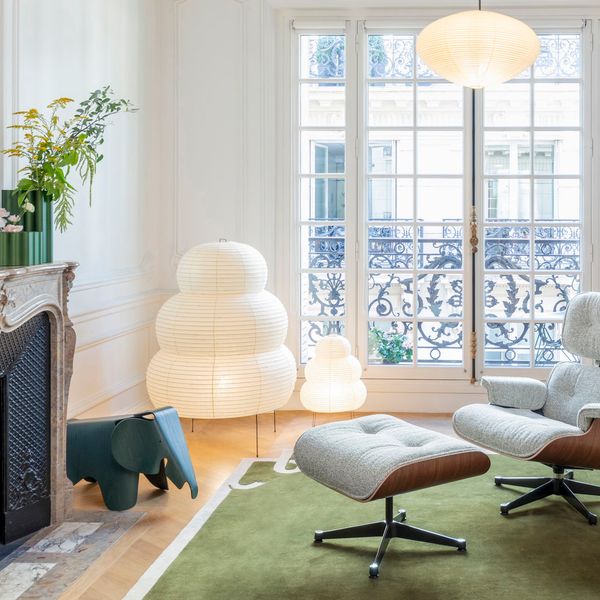
Cover photo: Akari, designed by Isamu Noguchi for Vitra
Lightweight, flexible, and deliberately imperfect. We’re talking about paper, an ancient, 100% natural material that proves surprisingly well-suited to creating design lamps. Many lighting pieces made from paper share an intrinsic poetic quality, along with translucent, lightweight structures that define a space even when switched off and take on warmth when illuminated.
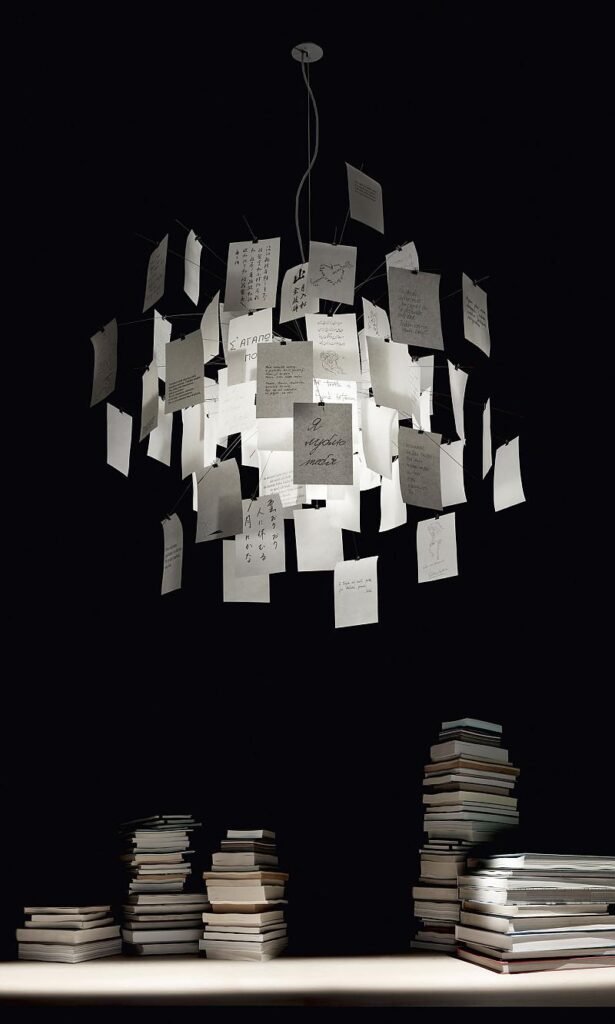
There are iconic paper lamps, such as the Akari series by Isamu Noguchi for Vitra, positioned between industrial design, craftsmanship, and sculpture. Equally well known is the Zettel’z 5 chandelier by Ingo Maurer, with dozens of paper sheets attached to its arms like the candles of a contemporary chandelier.
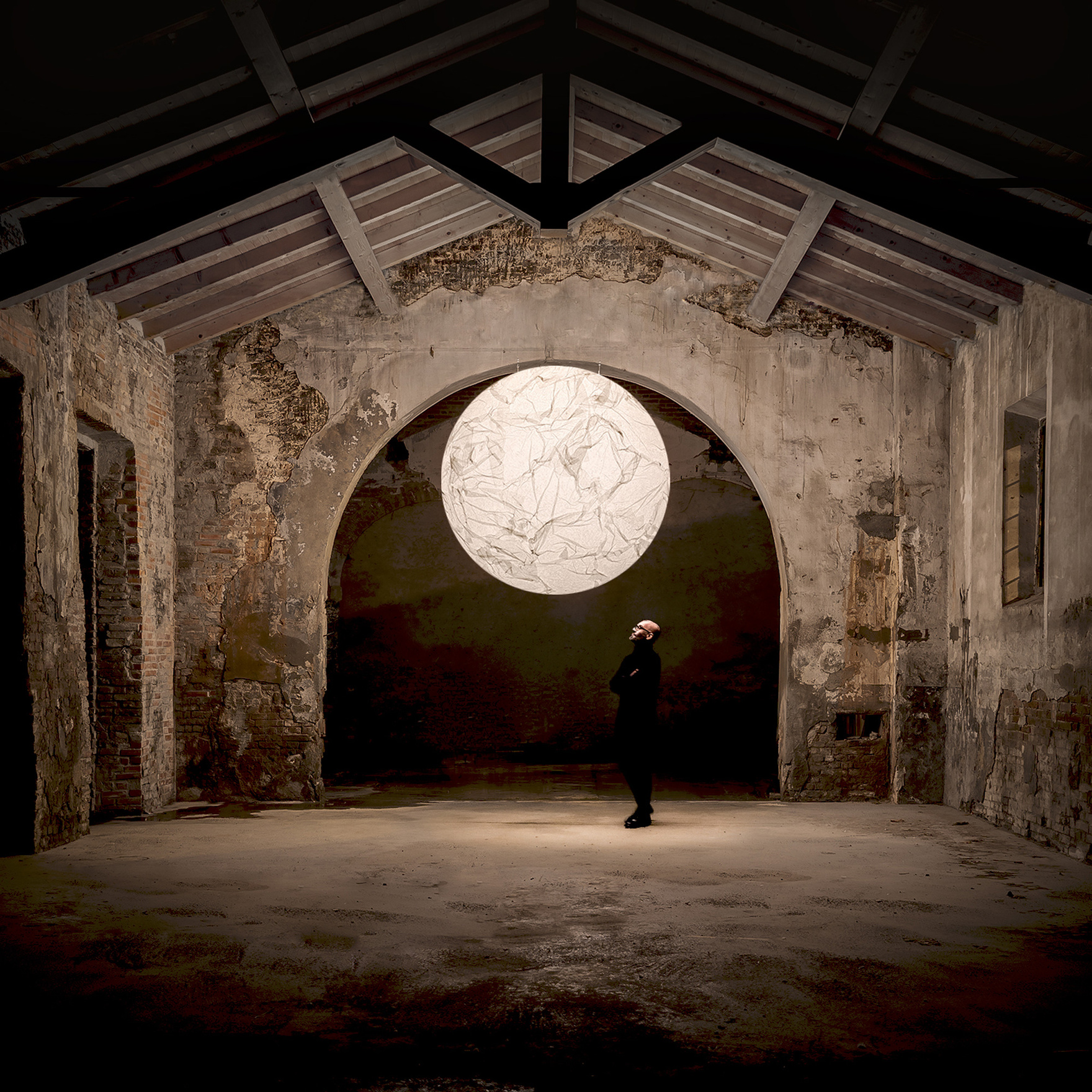
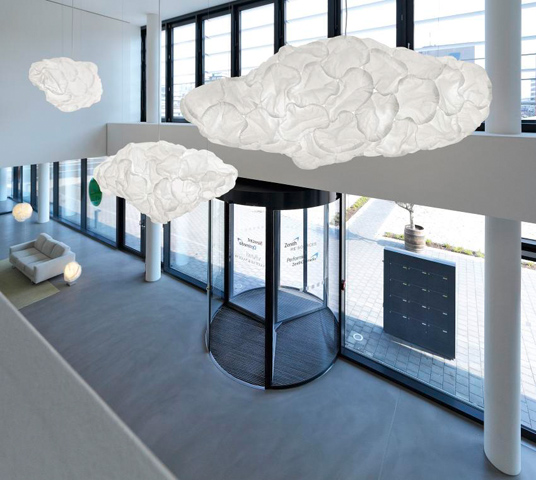
Nature-inspired references can be found in two paper-based designs that have become modern classics: the evocative Moon by Davide Groppi, inspired by the Earth’s satellite, and Cloud by Belux, a large suspended “cloud” designed by architect Frank O. Gehry, ideal above a dining table.
Akari, Vitra
The Akari Light Sculptures are creations by Japanese American artist and designer Isamu Noguchi. Designed in 1951 as an exploration of weightlessness, they exist in over 100 different forms, including table, floor, and ceiling versions, ranging from 24 to 290 centimeters in height.
The name “Akari,” chosen by Noguchi himself, is a Japanese term that—like the English word “light”—holds a dual meaning, referring both to illumination and to lightness. Sold by Vitra, all Akari Light Sculptures are handmade in the Ozeki workshop, a traditional family-run company based in Gifu. The shades are made of thin washi paper derived from mulberry bark, supported by bamboo structures and, in some versions, hand-painted details.
Zettel’z 5, Ingo Maurer
Designed in 1997 by “master of the ready-made” Ingo Maurer and still in production today, this chandelier features a lightweight structure in stainless steel and frosted glass, onto which paper elements are attached.
It includes 31 printed sheets and 49 blank ones, all made of translucent Japanese paper in A5 format. The blank pages can be used to write messages or sketches, and the sheets can be arranged freely. Since 2006, Zettel’z 5 has also been released in special colored editions: Blushing Zettel’z, Bang Boom Zettel’z (both now sold out), and Zettel’z Viva l’Italia!, featuring illustrations inspired by Italy.
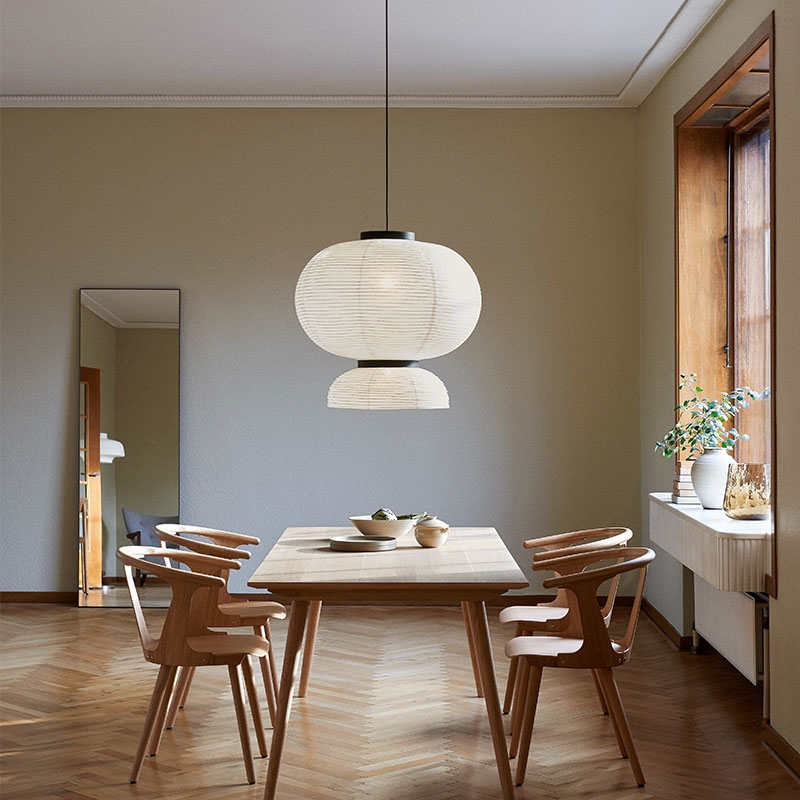
Formakami, &Tradition
With Formakami, Jaime Hayon designs a paper lamp that merges Japanese influences with Scandinavian minimalism. The collection includes several versions, all characterized by curved structures in black-stained oak paired with paper shades.
Cloud, Belux
It looks like paper, but it isn’t. This cloud-like chandelier, designed by Frank O. Gehry for Belux, is made from a special washable, tear-resistant material, crumpled by hand to create clouds of varying sizes, up to 7 meters in length. It is available in white, as well as in several colors introduced for its 20th anniversary in 2025.
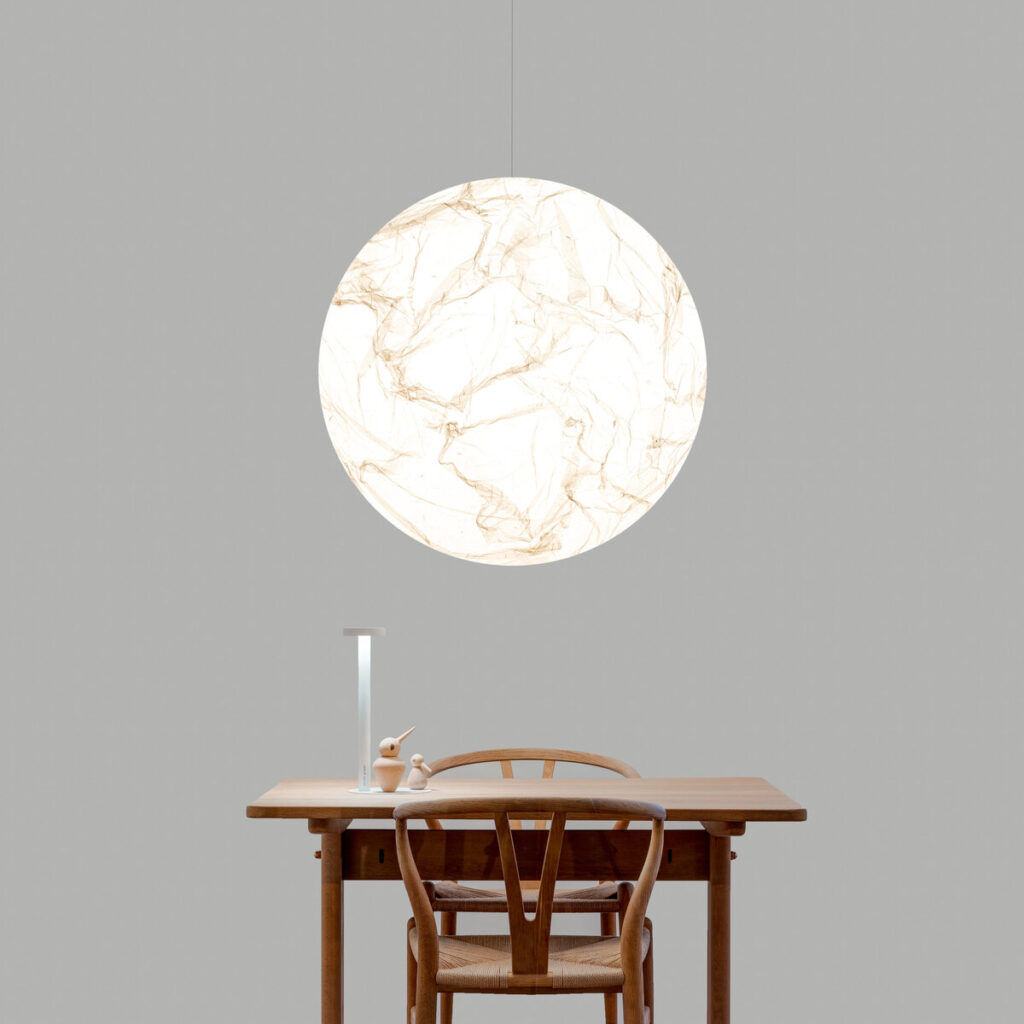
Moon, Davide Groppi
This poetic icon by Davide Groppi turned 20 in 2025. A large plastic sphere covered in Japanese paper recreates the craters and shadows of the moon’s surface. Available as a pendant, table, or floor lamp, Moon is handcrafted, making each piece unique and impossible to replicate.
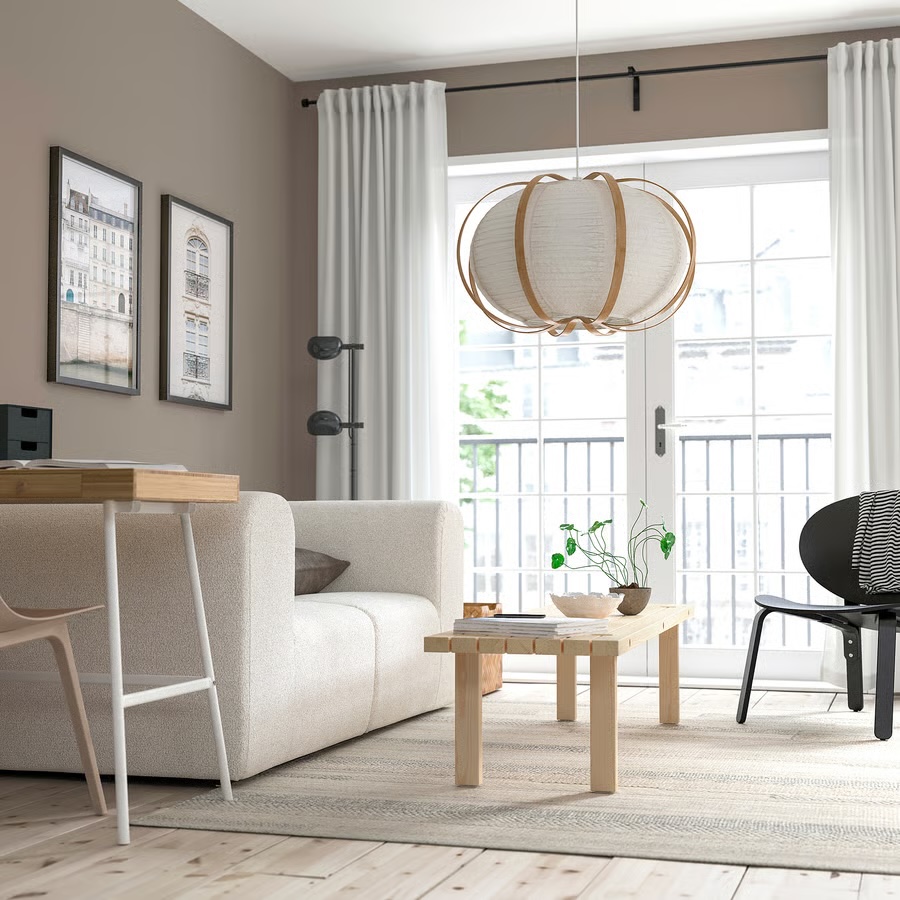
Taggtofs, IKEA
Paper is an affordable material, which is why it is also widely used by large-scale retailers to create striking pendant lights. IKEA, for example, offers this bamboo-and-rice-paper shade, sold flat-packed for minimal volume and easy home assembly.
Serpentine Light, Moooi
Twists, rotations, and ever-changing curves define this chandelier by Front for Moooi. The hidden light source sits at the center of a structure made of metal and non-woven cellulose fabric.
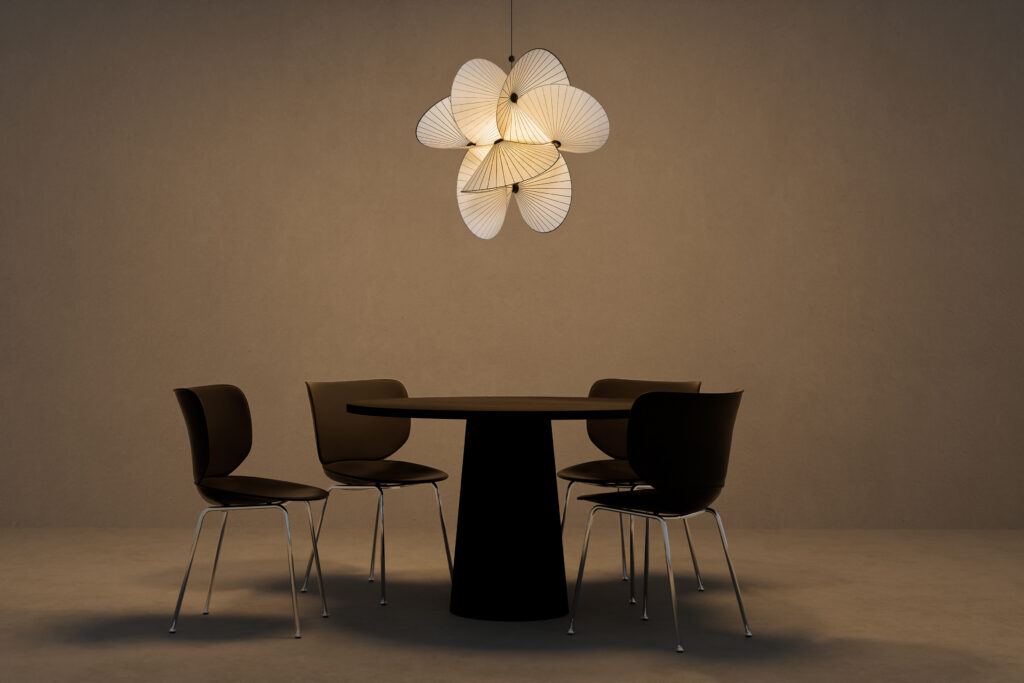
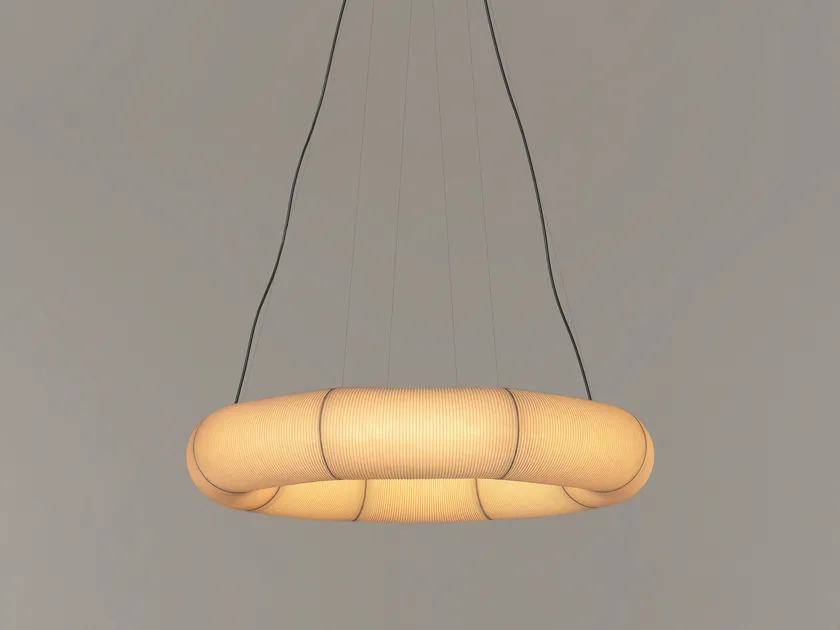
Tekiò, Santa & Cole
Different modules allow for the creation of horizontal or vertical pendants, as well as large circular compositions, ideal above a dining table. Tekiò by Santa & Cole combines warm dimming technology, which allows the LED color temperature to shift, with the raw, tactile beauty of paper.