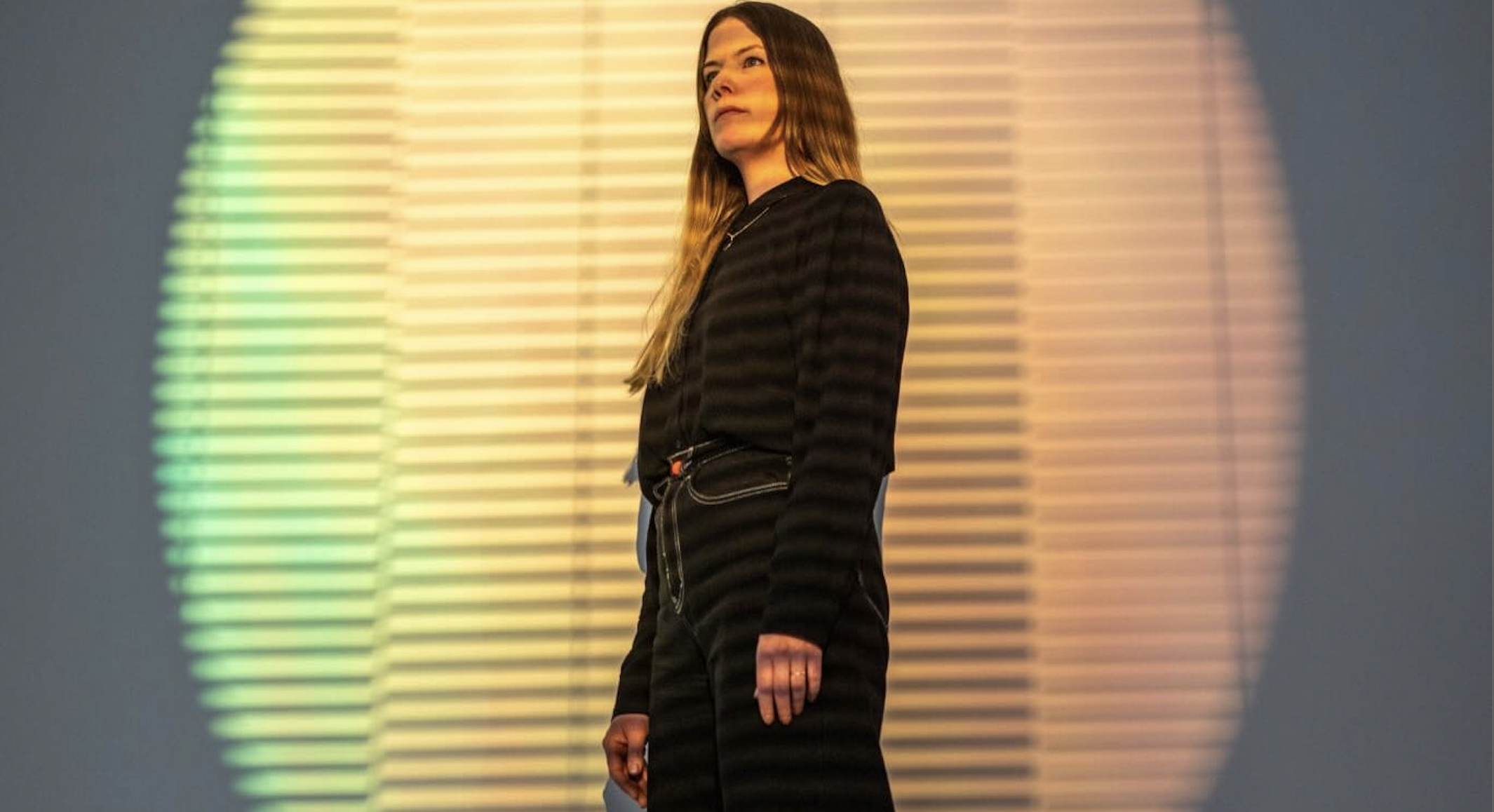
In Italy, the role of the lighting designer is gradually gaining greater recognition, thanks to the consolidation of a more conscious design culture and the steady commitment of professional associations dedicated to advancing qualifications in the field. Within this context, APIL—the Italian Association of Lighting Designers—serves as a key reference point for professionals working with light, through ongoing efforts in education, dialogue, and collaboration with institutions and industry. We met with Bianca Tresoldi, President of the Association, to retrace the main initiatives developed during her term and to explore the prospects of the profession in Italy.
What is APIL, and what are its main activities today?
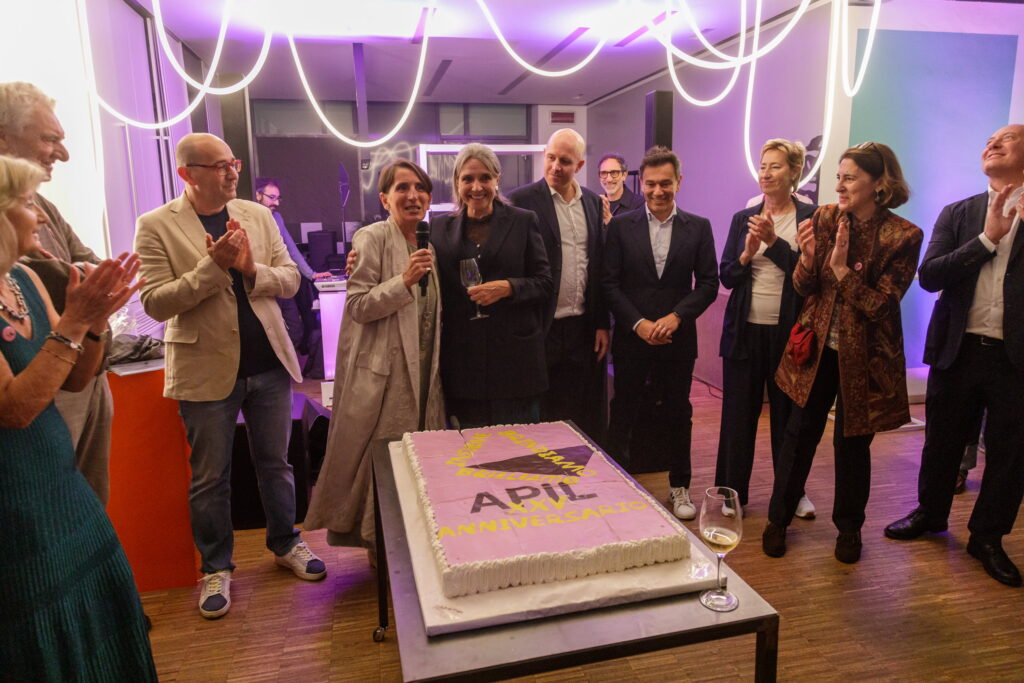
«APIL is a professional association that is officially recognised under Law 4/2013. This law regulates professions that are not organised into formal orders or registers. Since 2014, it has been listed by the Italian Ministry of Enterprise and Made in Italy (MIMIT).
Established 26 years ago, its purpose is to promote, enhance, and safeguard the professional role of the independent Italian lighting designer».
The lighting designer plays a central role in architectural, urban, artistic, and communication projects. In Italy, where lighting design is often underestimated or entrusted to standardized solutions, APIL positions itself as a point of reference for those who wish to practice this profession with competence, cultural responsibility, and creative vision. The association’s activities operate on multiple levels. Education and professional development are fundamental areas. Through courses, workshops, and seminars, APIL supports its members in keeping pace with technological, regulatory, and design evolution. At the same time, the association promotes networking and collaboration among professionals, encouraging the exchange of experiences and the development of shared projects.
APIL is also committed to disseminating the best lighting design practices, offering guidelines, operational tools, and practical examples focused on quality. Finally, it maintains an active dialogue with institutions and industry, participating in technical and regulatory working groups (UNI, MASE, and others) to contribute to a more conscious, responsible, and contemporary approach to light».
Inclusion, participation, and sharing are founding values of APIL. How do they translate into practice?
«For APIL, inclusion, participation, and sharing are not just principles—they are operational criteria that guide the association’s decisions and activities.
By inclusion, we first mean recognizing the plurality of competencies that contribute to the quality of a lighting project. In 2024, at the beginning of my presidency, we amended the Statute to allow membership for professionals working within design firms who, even if not signing the project, contribute substantially to its development.
Looking ahead, the board has decided to expand the association’s structure further. In 2026, with the adoption of a new Statute to be approved by the General Assembly, new membership categories will be introduced.
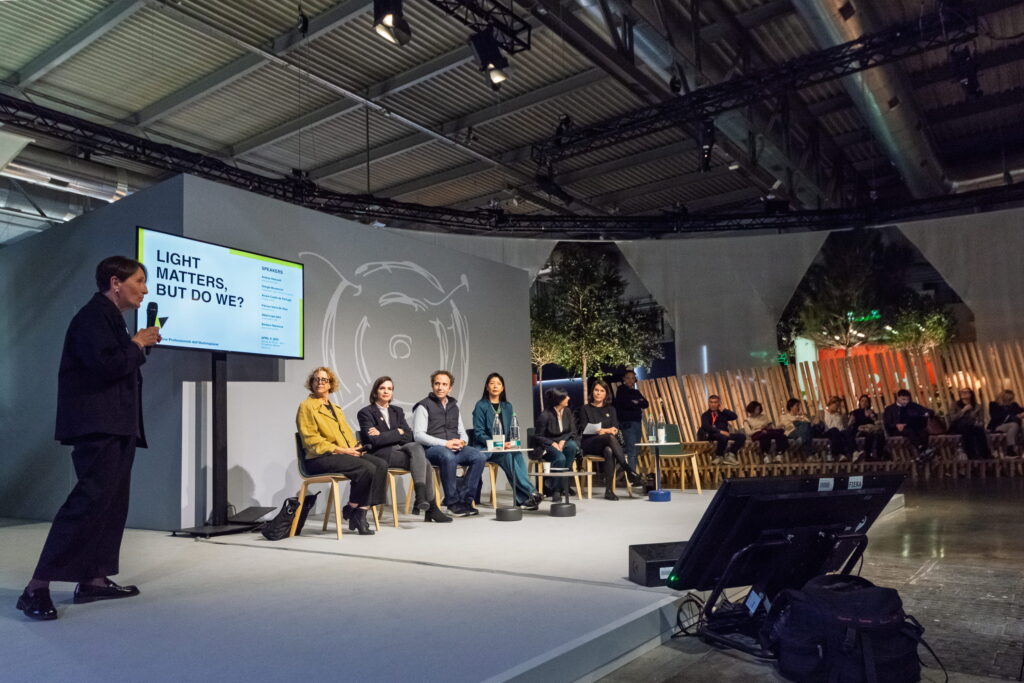
In addition to voting professional members, there will be technical supporters—designers and specialists from the commercial and production segments of the lighting supply chain—and “narrators of light,” those who contribute to spreading the culture of light through research, writing, and imagery. This openness encourages cross-pollination among different competencies and fosters a broader and more conscious vision of lighting design. APIL is also open to students: we strongly believe that young professionals, especially those coming from master’s programs and specialized lighting courses, are a fundamental resource, bringing energy, curiosity, and fresh perspectives. Sharing, finally, means pooling knowledge, tools, and opportunities. APIL promotes workshops, roundtables, and open working groups in which every member can contribute, propose topics, and participate in shaping guidelines and collective projects. This approach strengthens both the value and the quality of professional exchange».
During your mandate, APIL has strengthened the dissemination of lighting culture. What has been the most significant achievement so far?
«I felt a strong responsibility to work on two complementary fronts: on the one hand, reinforcing APIL’s institutional role; on the other, spreading a more conscious and shared culture of light. One of the most significant results achieved—and which will take effect in 2026—is APIL’s recognition by the MIMIT as an association authorized to issue a certificate of quality and professional qualification to its ordinary members. Although it is not an official certification of the profession, I consider this certificate a fundamental tool: it enhances the professional path of our members, their adherence to a code of ethics, and their commitment to ongoing education, while also offering greater guarantees to clients.
In the same direction, we have also opened a supervisory desk designed to protect both users and professionals, providing space for reports and constructive dialogue.
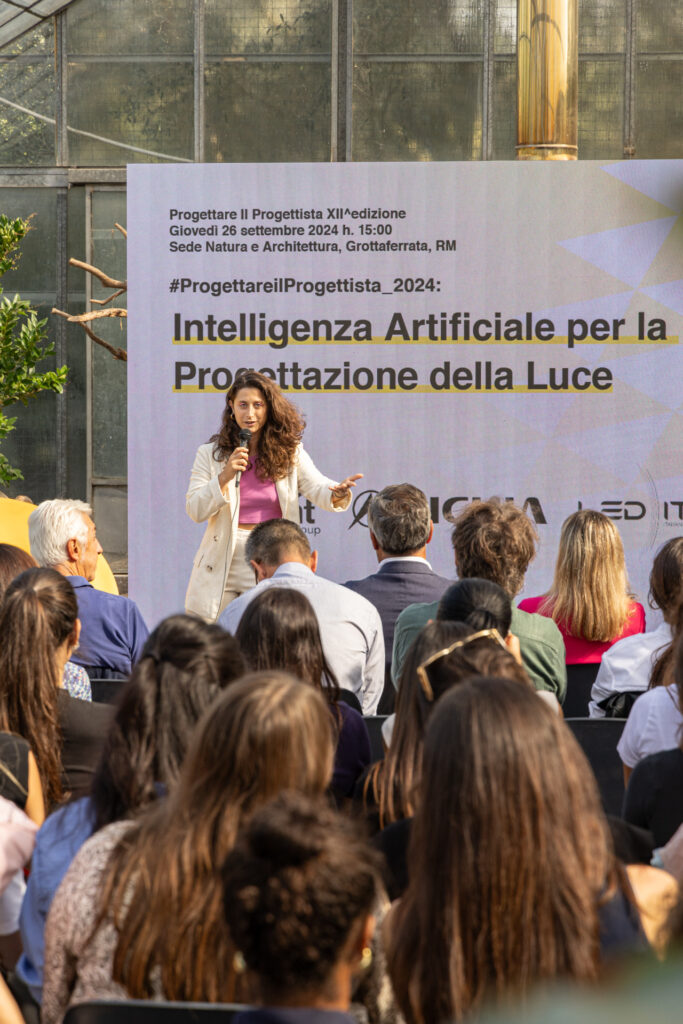
At the same time, I have worked to make the role of the lighting designer more recognizable and understandable—not only among industry insiders but also among architects, public administrations, institutions, and citizens. Through conferences, workshops, and professional meetings, I have sought to convey a clear message: light is not a mere decorative accessory, but a true design material, capable of profoundly influencing spatial quality, safety, and environmental sustainability».
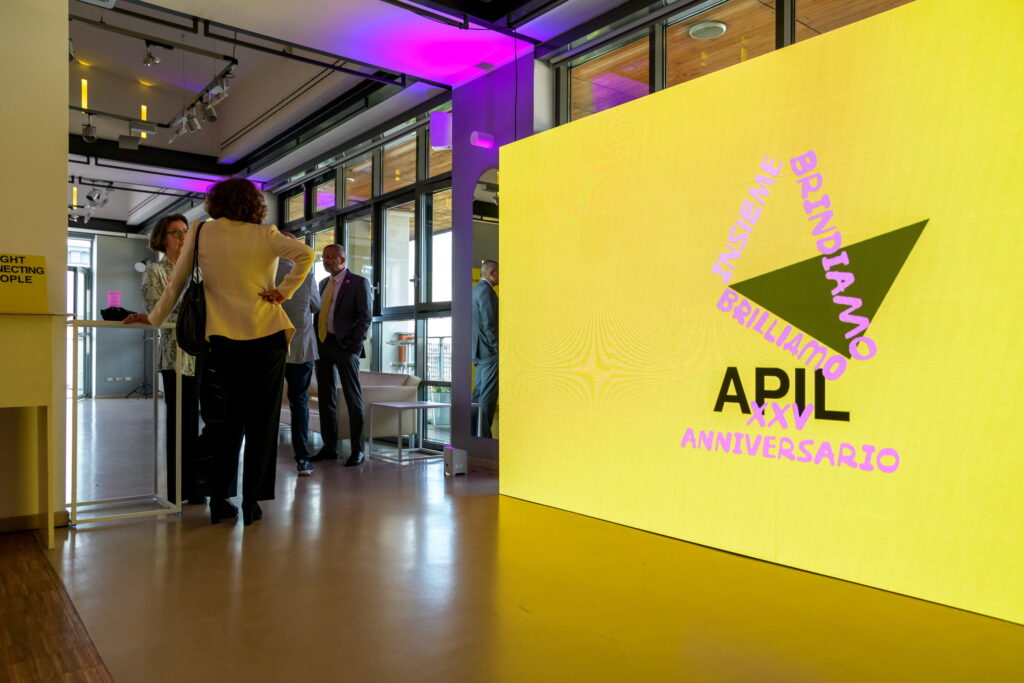
What role can APIL play today in the dialogue between lighting designers, architects, institutions, and industry?
«APIL acts as a bridge between these actors, fostering constructive and continuous dialogue. The association supports professionals in enhancing their expertise while helping other stakeholders understand the importance of independent, conscious, and environmentally sustainable lighting design.
Thanks to its in-depth knowledge of market needs, technologies, and industry innovation, APIL promotes ongoing dialogue between lighting designers and manufacturers: only through active collaboration can we address the daily challenges the market presents».
As your mandate draws to a close, what do you hope for APIL’s future?
«I hope that APIL will continue to grow as a community of professionals, strengthening dialogue among members, the sector, and institutions. I want to leave behind tools and collaborations that will enable the next President and the Board to continue the path traced over these years.
The legacy I hope to pass on is one of tenacity, creative vision, and sincere collaboration between designers and industry. Only in this way can the lighting market become more prosperous, innovative, and recognized—benefiting all professionals and the entire Italian and international supply chain».