Francesca Smiraglia likes to say she “came into the light” twice: when she was born and when she found her luminous path in the world of design. She is a product and lighting designer who studied at the Politecnico di Milano. After gaining experience working for lighting companies and design studios, she opened her own practice in 2016. Her practice currently focuses on lighting design, art direction, and strategic consulting for companies and architecture firms.
Her holistic vision of light extends even further, and she plans to expand her scope in the future to include energy management and control systems. She is dynamic and proactive, and also teaches Lighting Design at NABA (Nuova Accademia di Belle Arti) in Milan. She has said: «I see light as something to be both designed and thought: a language that crosses art, technology, and humanism, capable of creating relationships, identities, and new forms of experience».
How did you first get into the world of lighting?
«In Italian, ‘venire alla luce” means to be born, but it also means to discover and become aware. My encounter with light has been that: a slow and natural process in which what I perceived intuitively eventually found a name, a method, and a language.
During my years of artistic training, I worked extensively with ceramics — a material that lets you shape the invisible, and that taught me to listen to form before creating it. With that background, I arrived at the Politecnico di Milano, where I found a fertile environment to bring together intuition, discipline, and design.
The turning point came in 2006, during my specialization in Lighting Design. Professor Bonomo introduced me to the physics of light and its behaviour, while meeting Carlotta de Bevilacqua opened up a completely new perspective: a way of understanding light as culture, relationship, and responsibility. Thanks to her, I realized that design is not just a technical matter, but a dialogue between people, spaces, and visions.
Those were years when I experimented a lot with my hands: I would take fixtures apart, check their emissions, and observe how optics and materials altered perception.
That hands-on work showed me just how complex light is as a discipline — made of anthropology, sociology, psychology, and well-being, as well as technology and poetry.
That’s when I understood that light is not simply what illuminates, but what reveals: it reveals spaces, emotions, people, and the way we inhabit the world. Since then, I have considered it a living, mutable, and surprising matter, capable of transforming the everyday with a discreet yet essential presence».
Who do you consider your master’s in lighting design, industrial design, and design more broadly?
«My Masters are different figures, united by a deep way of thinking about light and design. In lighting design, I consider Carlotta de Bevilacqua essential for her ability to unite technological vision with humanistic sensitivity; Ingo Maurer, who turned light into a poetic, free language; and Kaoru Mende, a master of balance and perception. Alongside them, I look to the work of Nendo and some lesser-known designers who quietly carry out rigorous, authentic research.
In industrial design, my references are many. Gino Sarfatti managed to transform light into both a cultural and technical system. Dieter Rams defined an ethics of design based on subtraction. Gae Aulenti showed how a female gaze can be both strong and sensitive. Sebastian Bergne embodies an intelligent simplicity, where every detail stems from a precise gesture.
In design more broadly, I look to architects of the past, such as Gio Ponti, Le Corbusier, and Louis Kahn, who interpreted light as an integral part of building. At the same time, I follow contemporary work by Tadao Ando, SANAA, Herzog & de Meuron, and Kengo Kuma, who explore the relationship between space, material, technology, and perception.
They all share a belief that I strongly relate to: light and design are not just about aesthetics — they are a way of making culture».
What are the key principles behind good lighting, and how do you apply them in your work?
«Good lighting begins with observation. Technical observation and perceptual observation, but also social and anthropological observation, because spaces change as people’s behaviors change. For me, observing means understanding how an environment is lived today and how it could be lived tomorrow: where people find their bearings, where they pause, which shadows they seek, and which they avoid. Many needs are never expressed verbally — they emerge from gestures and habits. Light has to intercept them and translate them into real value.
In my work, the foundational principles are few but essential. The first is deep listening, which allows you to grasp what people feel but do not verbalize. The second is respect for subjective perception, because each person reacts to light differently. The third is the central role of natural light, which remains the first teacher and sets the balance for the entire project.
To these I add layering, which allows light to build different levels within a space, and modulation, which coherently integrates technical and decorative elements. Technology is indispensable, especially in spaces that require concentration, visual comfort, and clear orientation — all of which demand careful fixture selection. But that alone is not enough. Lux levels, UGR, CRI, and standards are tools, not goals. Light remains an immaterial matter that shapes daily life with continuity and delicacy.
A project truly works when the space speaks through light and when people feel naturally welcomed. Light is a living system, and our role is to make it comprehensible, harmonious, and human».
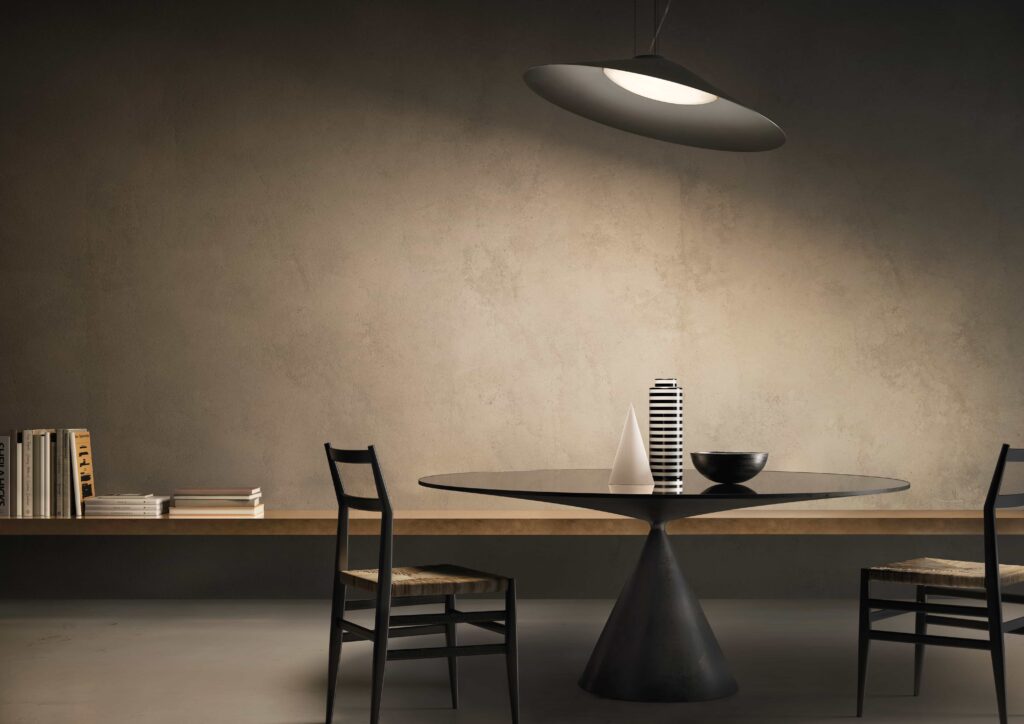
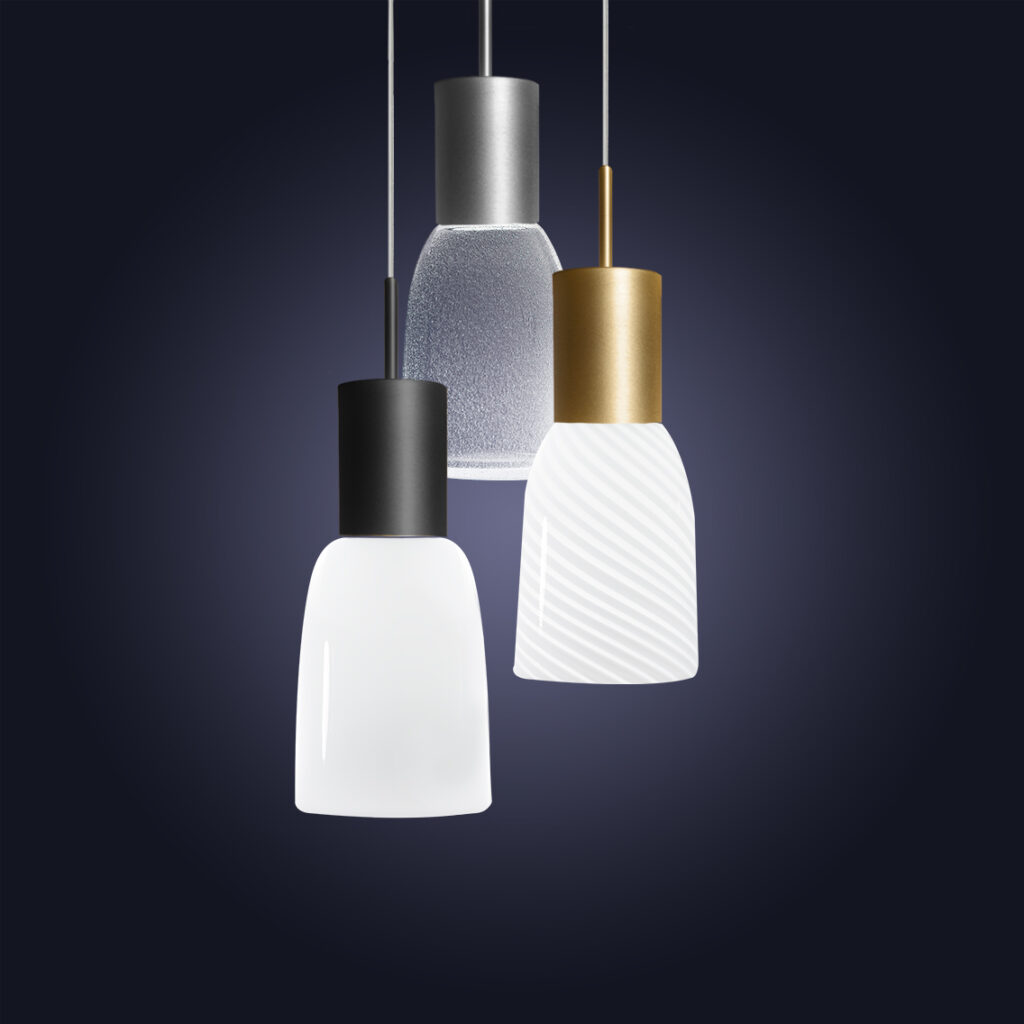
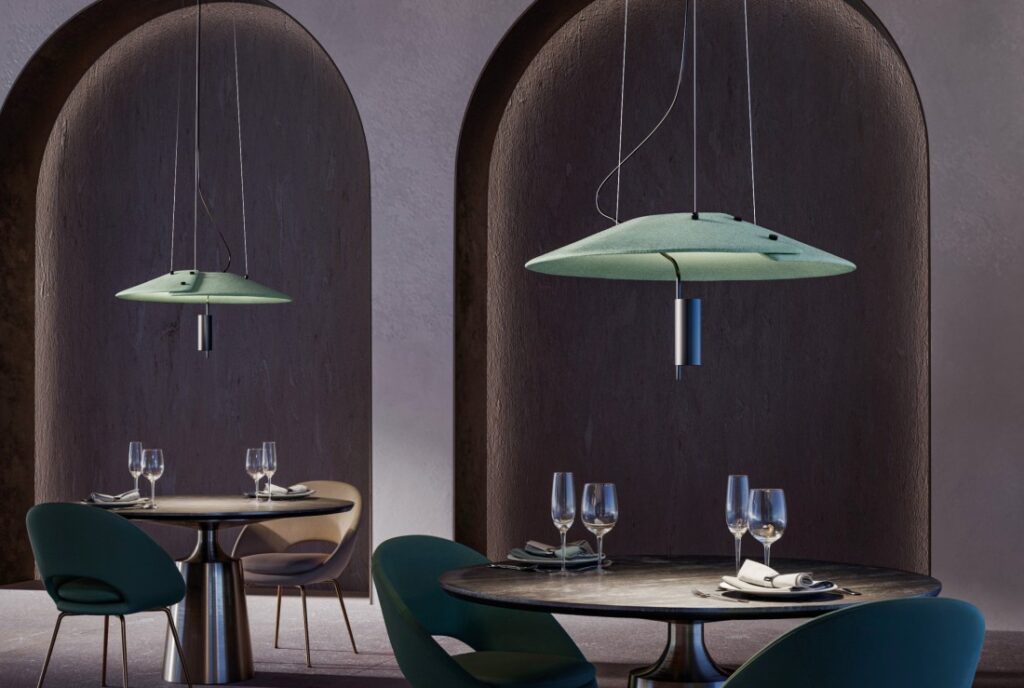
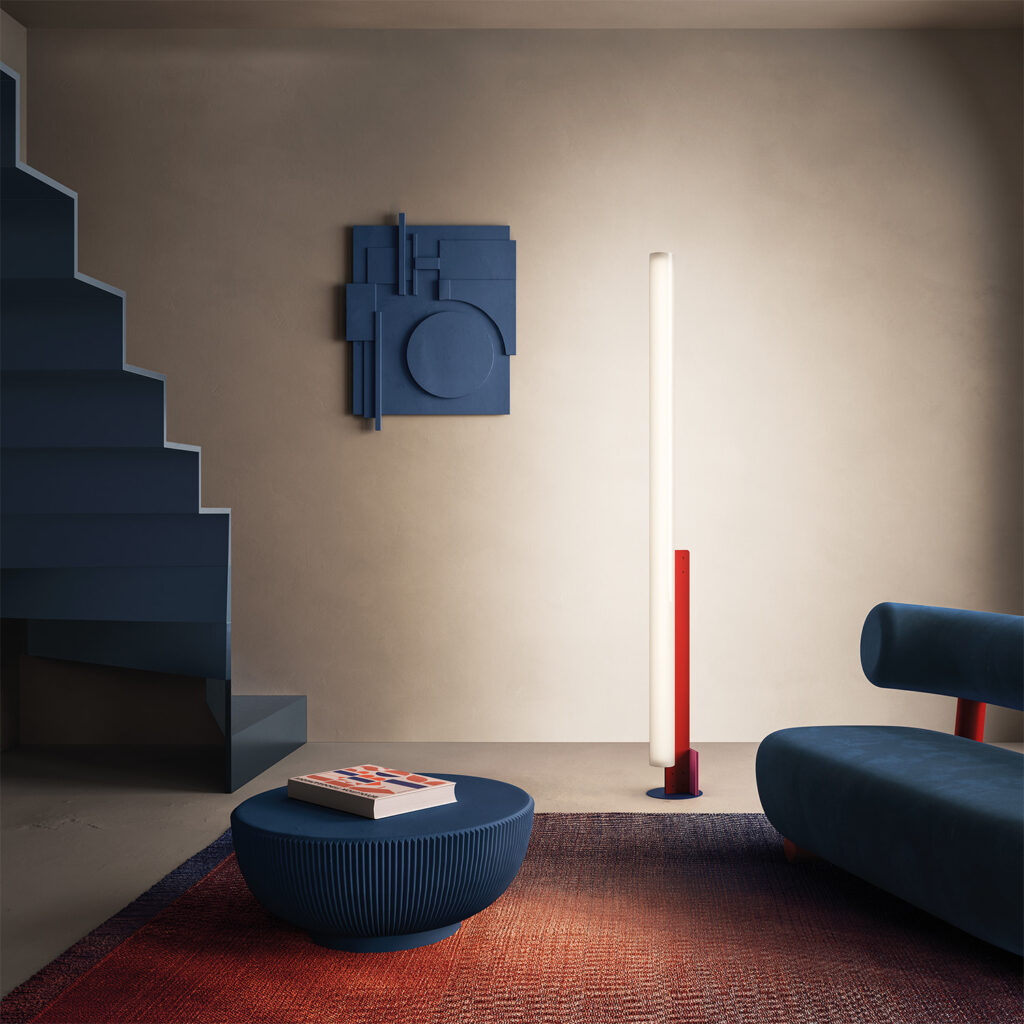
As a designer, you’ve created decorative lamps for several brands. Where do you find inspiration, and how would you describe your style?
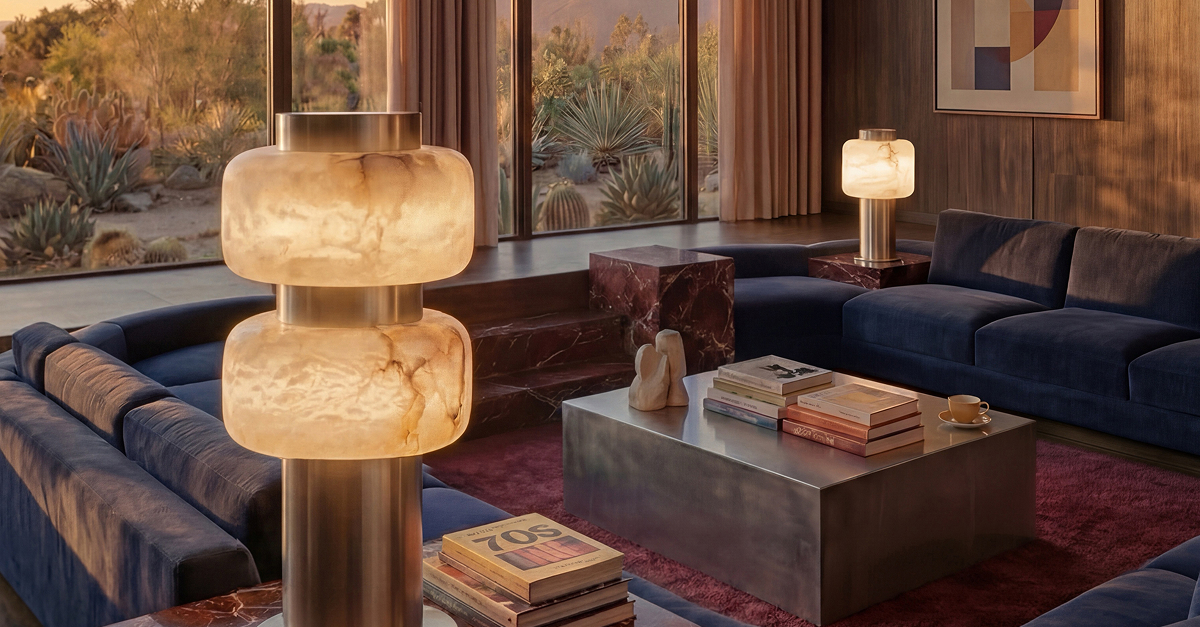
«My inspiration often comes from small gestures: a movement, a fragile balance between solid and void, a form searching for space. Many ideas emerge while I’m designing an interior and notice that something is missing: a function, a direction of light, or an emission capable of completing the environment. It’s in these absences that the possibility of a new product opens up.
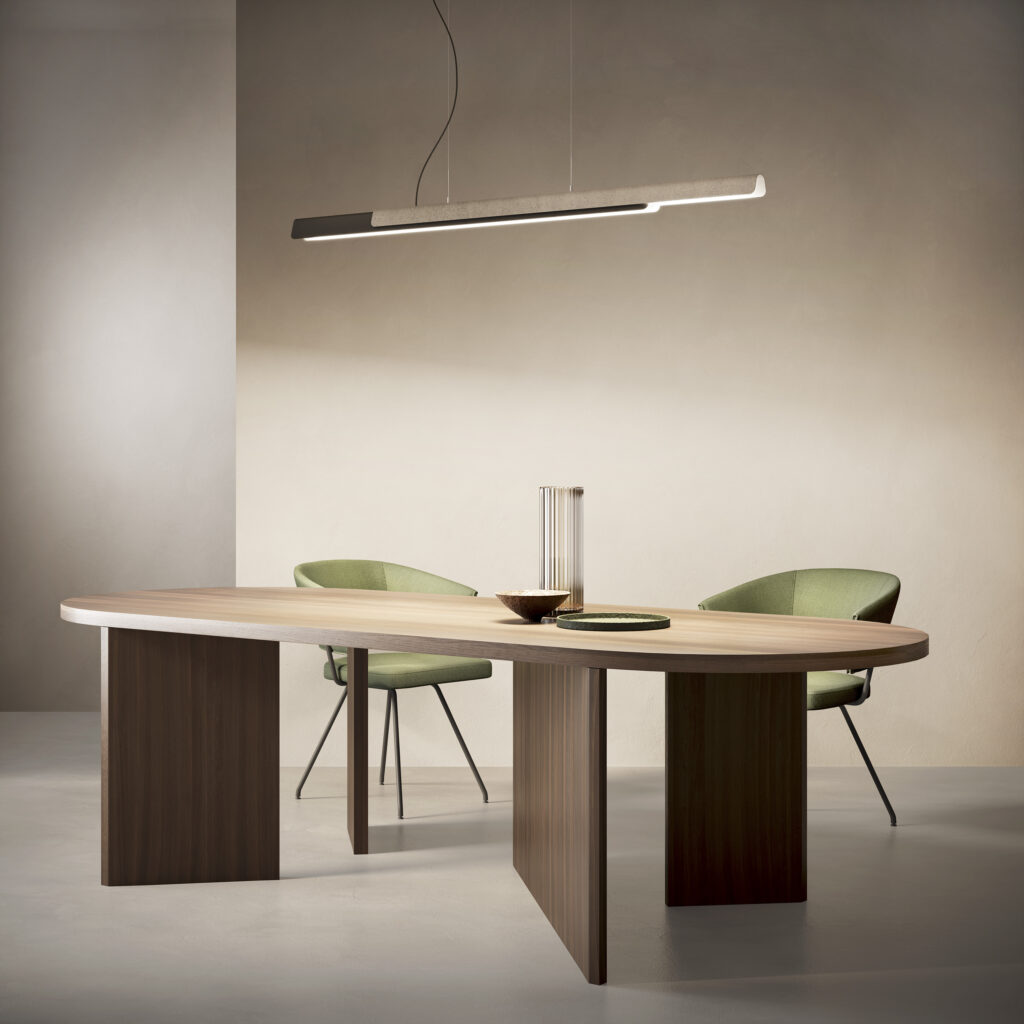
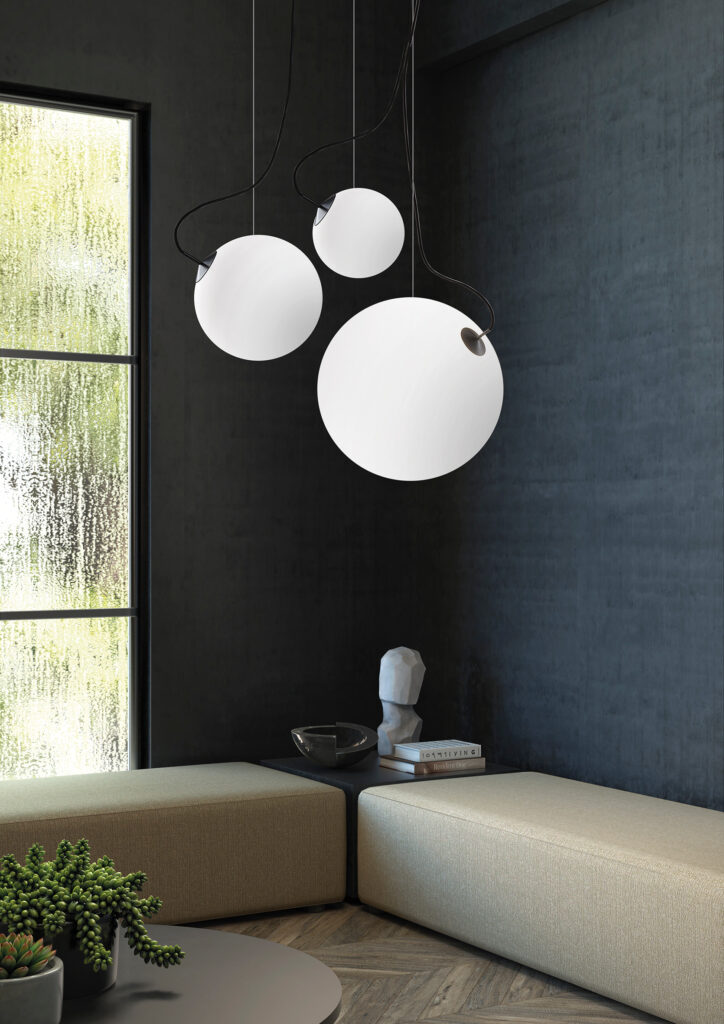
My style is timeless because I aim for forms that can live beyond trends. I prefer monolithic, understated volumes that inhabit spaces with a clear yet measured presence. When I design a lamp, I always start from the light: from the effect I want to achieve, from the relationship between light and shadow, from how it modulates in space, and from the type of emission. Only then does the form emerge, shaped around the lighting intention.
I would add one more thing to this approach: I enjoy collaborating with companies to enhance their identity, bolster their brand, and develop products that can be marketed coherently and strategically. I strongly believe in the value of design as a tool that helps a company grow, fill gaps in its catalog, and take a step forward in how it approaches light. The project thus becomes a bridge between vision, production, and market.
For me, designing is an almost sculptural process. I search for essentiality, sincerity, and coherence. Light remains the protagonist, providing a subtle presence.»
Is there still room for innovation?
«Yes — and in surprising ways. We’re living in a moment when technology, neuroscience, materials, and artificial intelligence are opening up new scenarios. Innovation is not just about tools; it’s also about our mindset and observation skills, such as critical thinking and educating clients to recognise the intellectual value of a project.
In my view, innovation begins with the designer, who must be able to read changing habits, identify unspoken needs, and imagine new relationships between light and space. Today, I see three key areas of innovation: technological innovation, which is evolving very quickly; innovation in habits, because people’s behaviour is constantly changing; and innovation in design methods, which are becoming increasingly holistic and require cross-disciplinary skills.
Innovation is not just what we see — it’s what we understand and what we feel. It’s a profound movement, cultural and human».
What projects are you working on for the future?
«Along with new collaborations as a product designer, I’m working on the creation of a “Light Hub” — a space I want to turn into a reference point for lighting culture. I imagine it as a living, structured studio where lighting design and product design are in dialogue with material research, the development of new fixtures, and high-level strategic consulting, including energy management and control systems.
The goal is to establish a comprehensive point of reference for companies, professionals, and private clients, offering integrated services including brand lighting identity definition, company art direction, collection design, technical architectural lighting consultancy, and energy efficiency projects.
I aim to create a place that generates value and knowledge — an open environment where people can come together to interpret light in contemporary, responsible, and innovative ways. A laboratory of ideas and design, where light becomes language, culture, and future.
At the same time, I continue to work as a lighting consultant in the healthcare sector, as I have realised in recent years how important light is for well-being. In healthcare spaces, light supports, orients, and comforts. My approach — which I describe as “all around light” — stems from this conviction: light should accompany, not just illuminate. It should build a deep relationship with people and with their most fragile moments.
For me, the future is an open horizon. Every project is a chance to grow, and every object is a new way of ‘coming into the light’. My work keeps surprising me because it springs from a constant movement between technology, humanity, and research. And it’s precisely in that movement that I find my direction.»