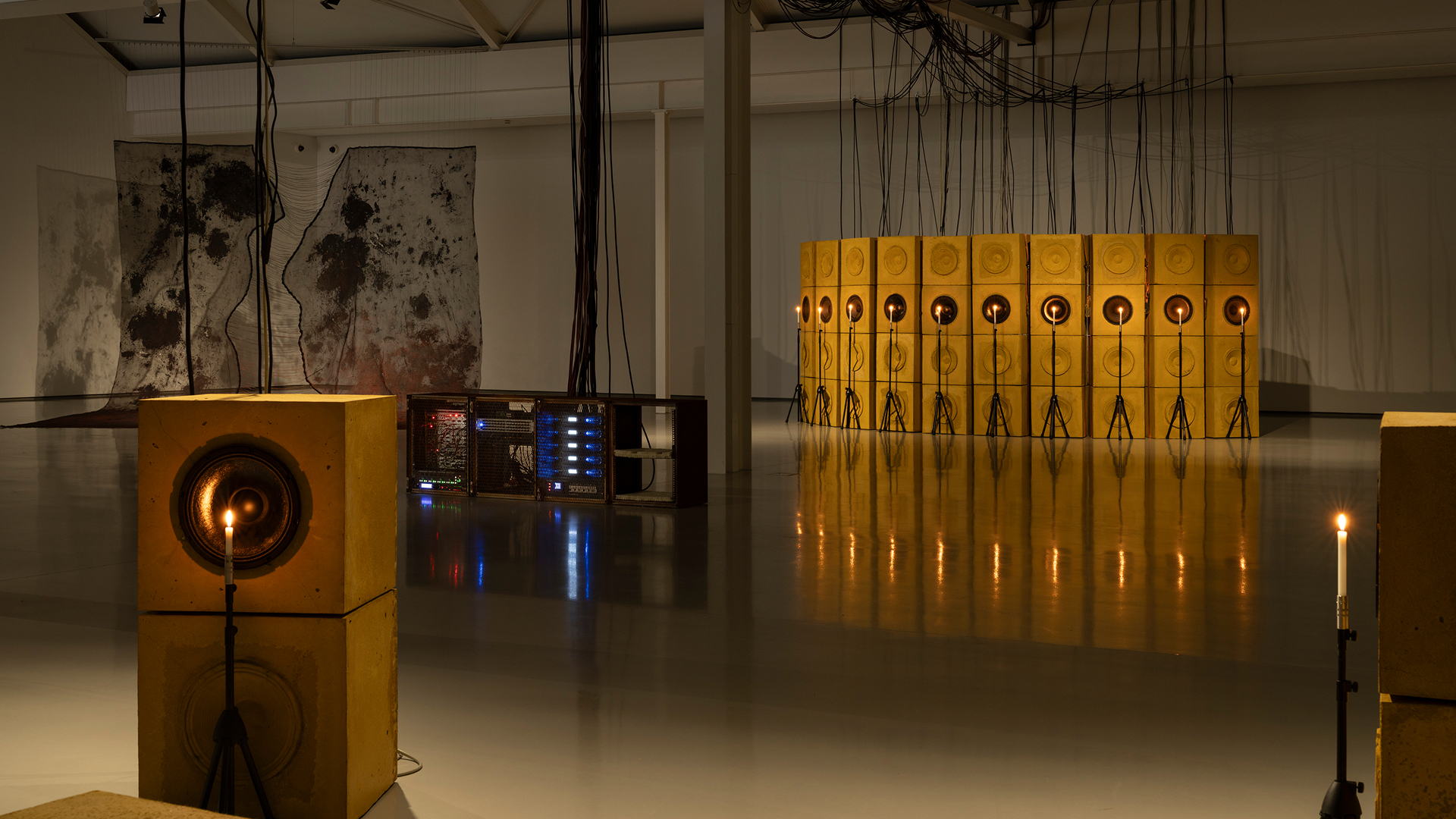
Lucia Koch, Vivian Caccuri and Henrique Oliveira transform the former industrial building through
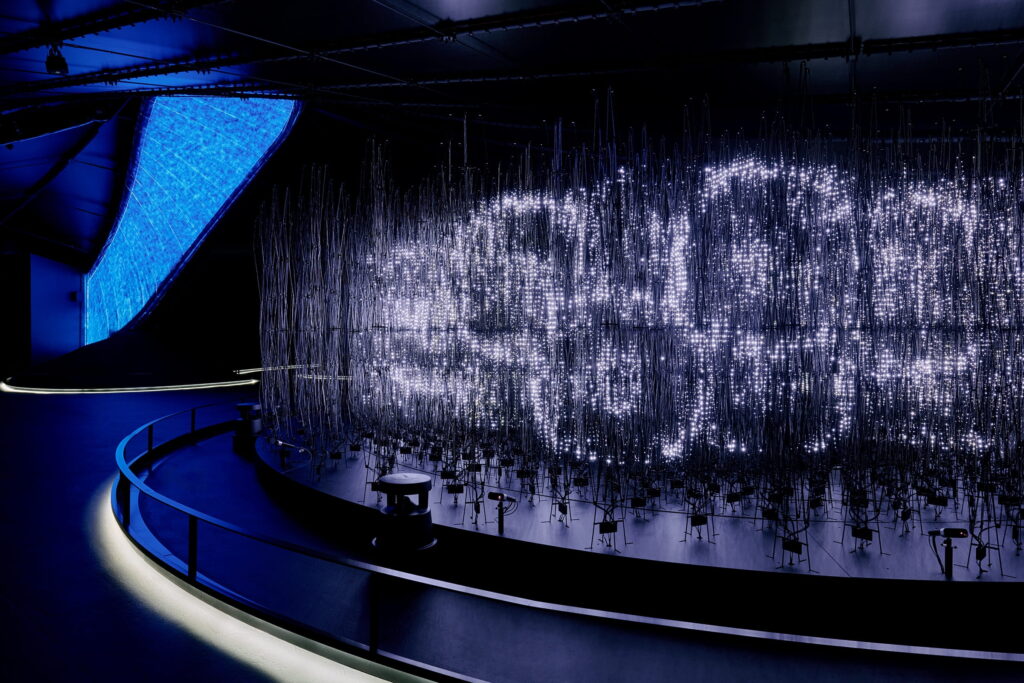
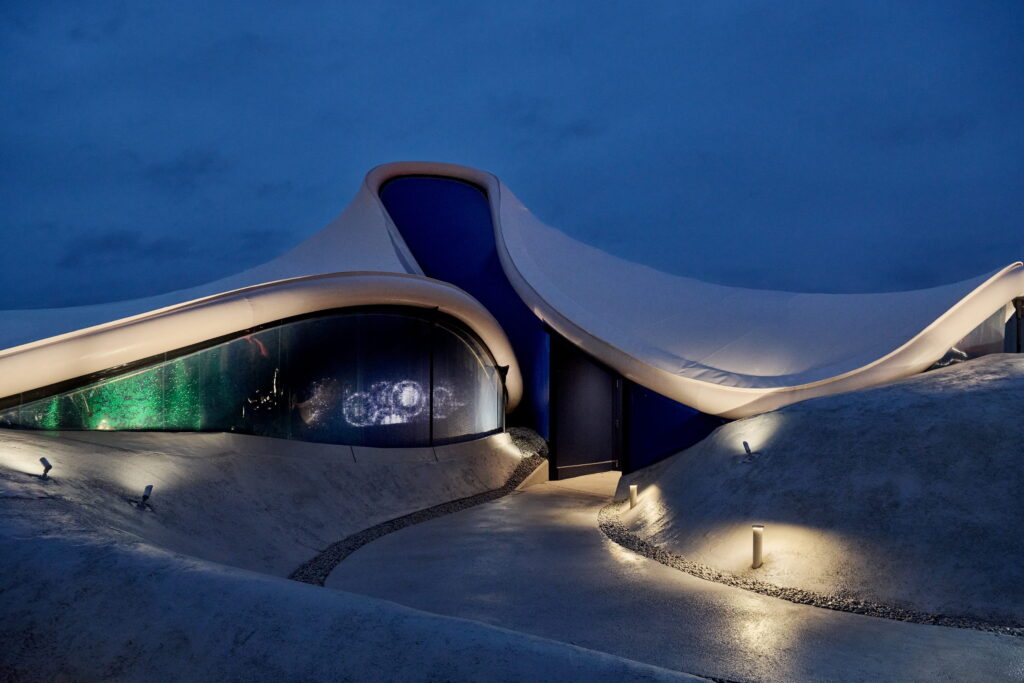
Completed in April 2025 in Osaka, Japan,Clathra is a self-standing circular 3D theatre system developed byTakram for the Signature Pavilion “Dynamic Equilibrium of Life” at EXPO 2025 Osaka, Kansai, produced by Shinichi Fukuoka for the Japan Association for the 2025 World Exposition.
1. Photo Credits Junpei Kato
Designed for post-Expo reuse, the installation can be disassembled and reconfigured for future sites, aligning with the Expo’s sustainability framework and extending its operational life beyond 2025. The lighting design and product development were led by Hisato Ogata, Ryo Kobayashi, Tatsuya Narita, Daiki Nakamori, and Minoru Ito, with additional contributions from Keisuke Oyama and Taro Yumiba.
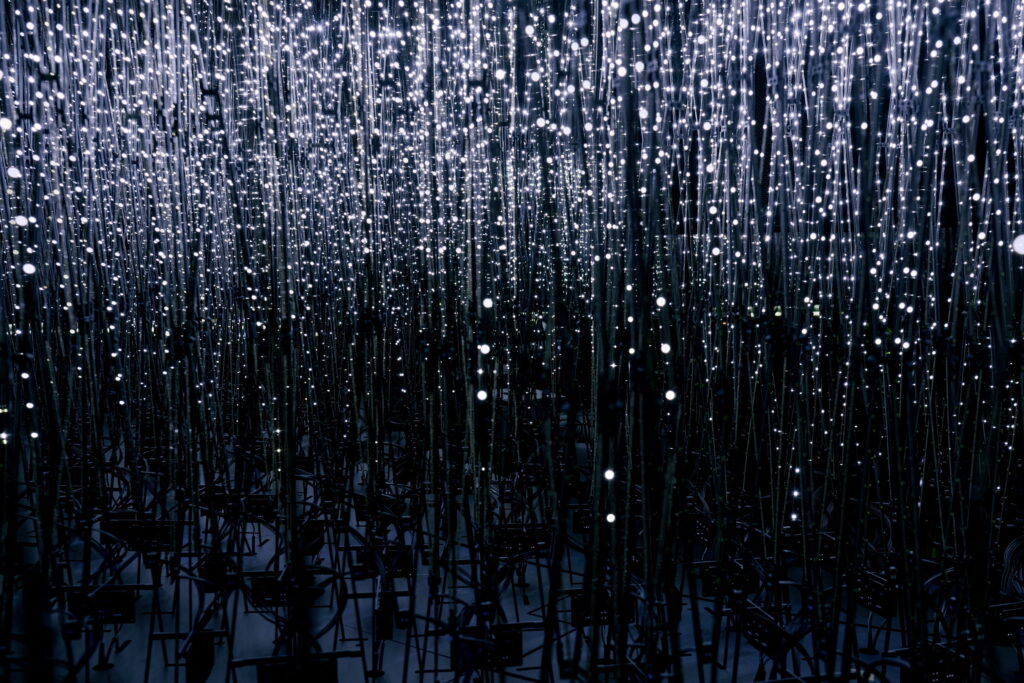
2. Photo Credits Junpei Kato
Installed inside the pavilion’s column-free space, Clathra forms a freestanding structure composed of multiple circuit boards and frames. The system defines a 10-metre-diameter, 30-metre-circumference, 2.5-metre-high circular theatre, visible from all directions. Its 320,000 LEDs are arranged to create the perception of light suspended in space rather than confined to a screen surface.
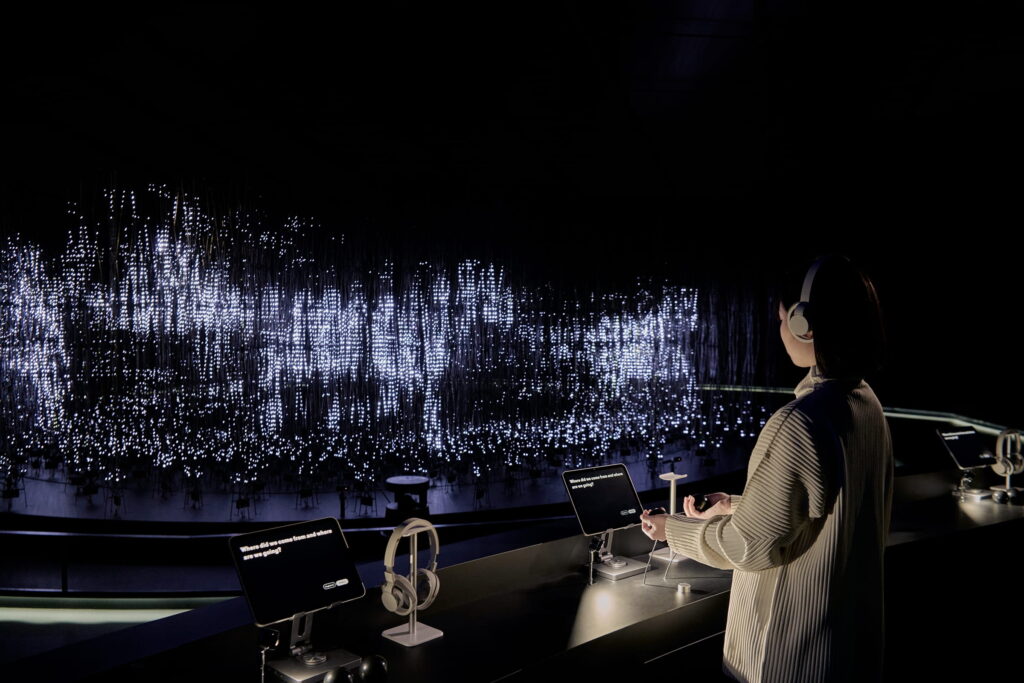
3. Photo Credits Junpei Kato
The installation visualises the 3.8-billion-year continuity of life through gradual light modulation and spatial 3D sound. Upon entering, visitors see their silhouettes appear within the structure, dissolve into particles of light, and transition into a narrative sequence. The first chapter focuses on symbiosis and altruism among primitive cells, while the second chapter traces the diversification of life across marine, terrestrial, and aerial ecosystems, covering plants, fungi, and animals.
4. Photo Credits Junpei Kato
Despite its size, the system’s LED brightness is intentionally restrained to maintain a dark, contemplative environment. Through careful component selection and circuit design, total power consumption remains comparable to that of a single household hair dryer.
Do you have a project to share?
Atmosfera is an open space for dialogue. If light plays a key role in your research or a specific project, we’re ready to listen. We feature lighting design projects, art installations, photography series, and stories that explore the narrative potential of light.
Send us your portfolio or tell us about a project you care about. It could become part of our editorial programming—or spark a new collaboration.
At Villa Lysis, Jago’s new museum puts the relationship between sculpture and lighting to the test. Light Company works with light sources, contrasts,...
Lucia Koch, Vivian Caccuri and Henrique Oliveira transform the former industrial building through a material dialogue between light, colour and sound....